Drivers in the commonwealth will pay more for gas beginning on Wednesday. This isn’t because of the recent legislative budget deal. It isn’t because of a war in the Middle East. It isn’t because of a pipeline shutdown. It’s because lawmakers put tax policy on cruise control years ago, and prices just keep climbing.
It is a tenet of American governance that a previous legislature may not bind a future one. In simple terms, that means that today’s lawmakers can’t make spending and taxation decisions for their successors. That’s why Virginia’s budget lasts for two years, not 10 or 20, and even the second year is subject to change if circumstances change.
Today’s General Assembly, however, is allowing a House elected in 2019, three governors ago, to bind its hands. In 2020, lawmakers tied fuel taxes to the Consumer Price Index, so as overall prices increase, so does the gas tax. Lawmakers started from what today looks like a very low rate. On Jan. 1, 2020, the retail tax was 16 and two-tenth cents per gallon of gas.
That jumped to 21.2 cents in July 2020, when the next fiscal year started, and has been soaring along with inflation ever since. It reached 28 cents in 2023, 9.8 cents in 2024, and 30.8 cents in 2025 before the next jump this year.
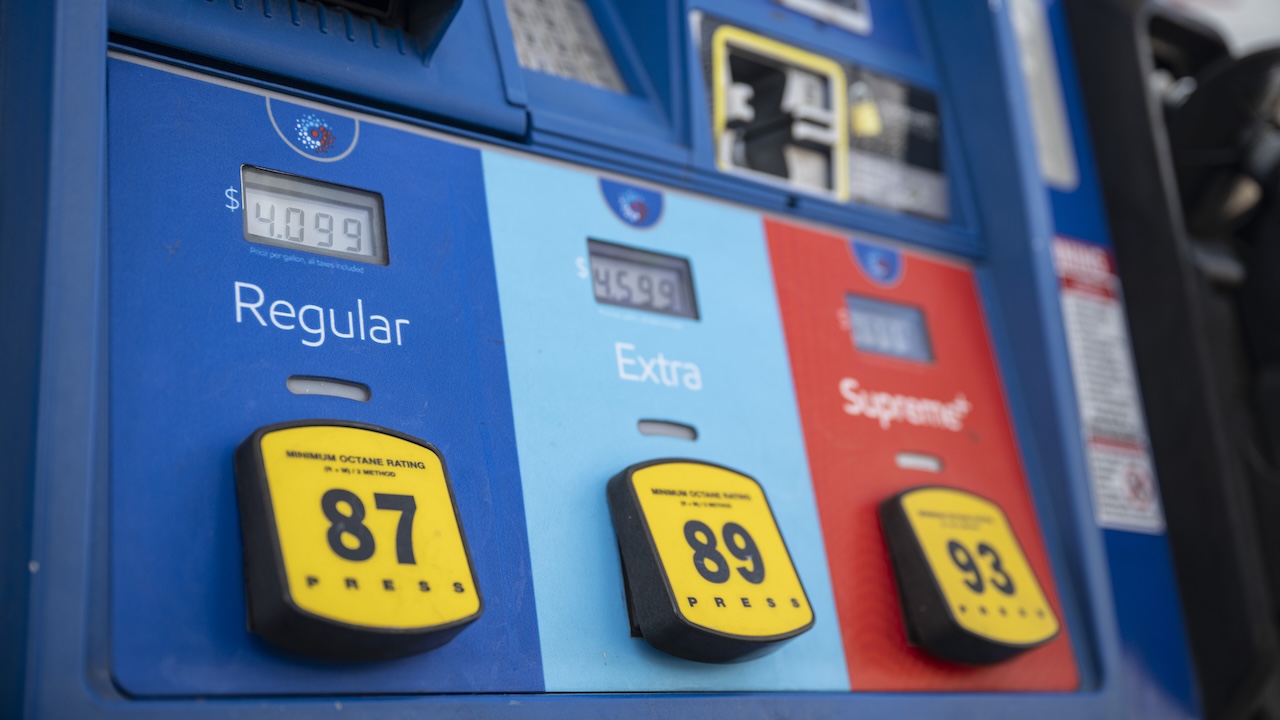
This year, the retail tax per gallon will increase from 31.7 cents now to 32.6 cents on July 1. Prices will actually go even higher, because lawmakers also imposed a wholesale tax. As energy policy analyst Steve Haner of the Thomas Jefferson Institute wrote, “The wholesale tax gets ignored almost every time, even though it adds about dime a gallon and moves Virginia much higher in the tax rankings.”
All told, taxes will boost fuel costs by 42.4 cents per gallon on gasoline and 43.5 cents per gallon on diesel. That ranks Virginia among the top 10 states.
Republicans have pushed back a bit over the years. In 2022, Gov. Glenn Youngkin proposed suspending the tax for three months. Senate Democrats blocked that idea. “I think the real problem is inflation,” then Democrat state Sen. Chap Petersen told WRIC at the time. “We can’t stop inflation by having a tax holiday.”
Of course, if you index the tax increase to inflation then you can’t stop price increases, such as the ones the commonwealth has seen since 2020.
Youngkin managed to delay one increase, from July 1, 2022, until July 1, 2023, but the upward march has continued since then. The GOP also proposed a 90-day suspension of the state’s gas tax this spring, when the war in Iran caused prices to soar. Democrat House Speaker Don Scott shot down that idea, releasing a statement that noted that when the gas tax is cut, “savings aren’t always passed on to consumers they can be pocketed by the businesses.” That idea never got traction in the Legislature.
Today’s state lawmakers could change the law and eliminate the latest tax increase, but they aren’t doing so. Drivers will feel the hit at the pump and are likely to remember when they return to the voting booth.