1. What happened?
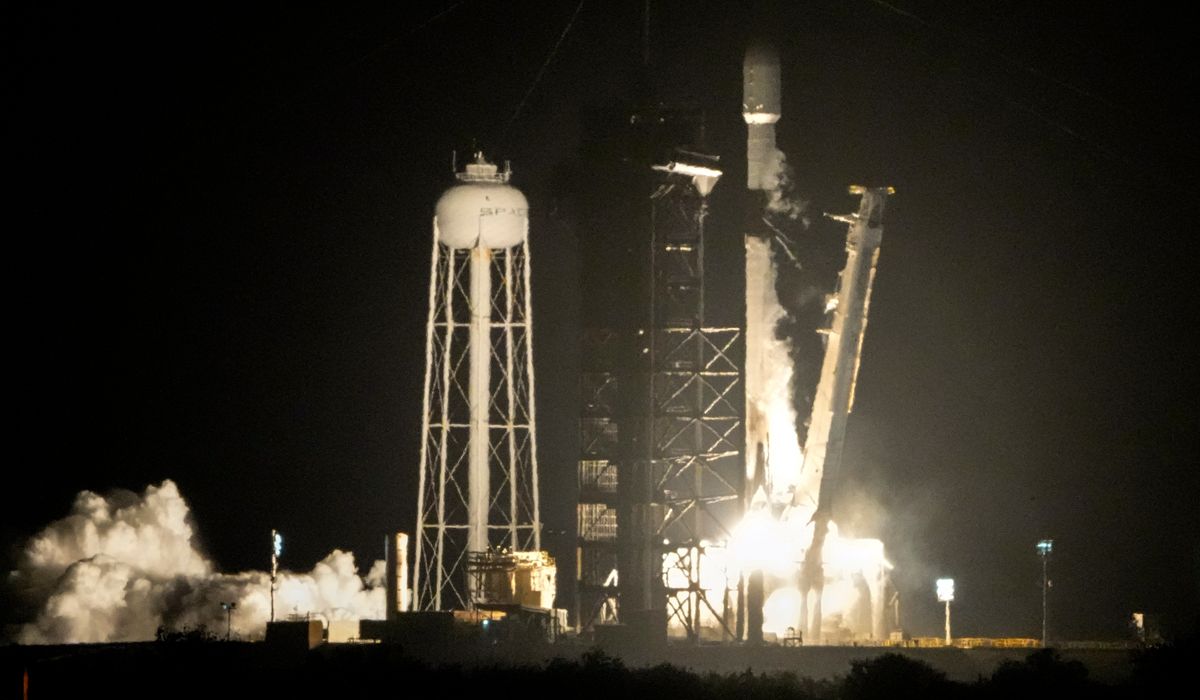
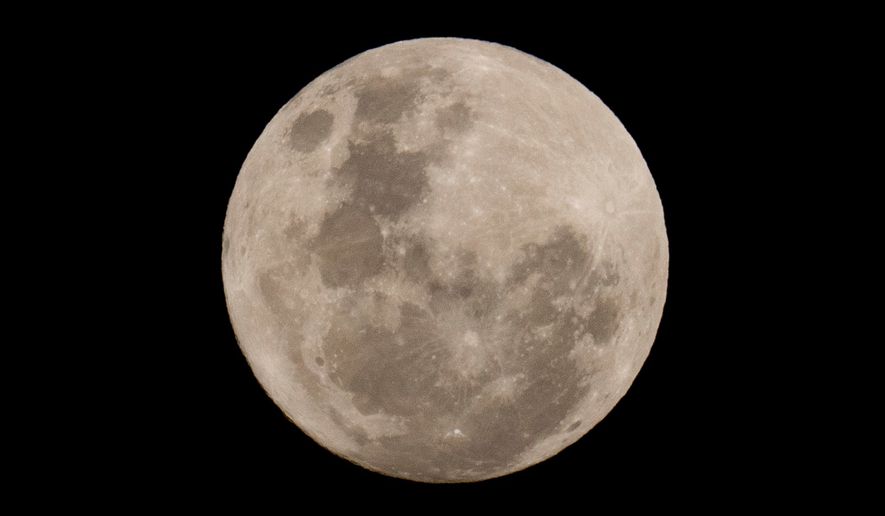
A leftover SpaceX Falcon rocket upper stage slammed into the moon on Wednesday at roughly 5,400 mph, after drifting off course for the past year. Scientists have not yet officially confirmed the impact, but space tracking experts say it was inevitable, with the crash site expected near Einstein Crater on the moon’s sunlit western limb.
2. Why did this happen, and who is involved?
The rocket stage launched on Jan. 15, 2025, carrying two private lunar landers, Firefly Aerospace’s Blue Ghost and ispace’s Resilience, from Cape Canaveral in Florida. After deploying the landers, the empty upper stage was accidentally pushed onto a collision course with the moon by a combination of solar activity and gravity, according to SpaceX’s Julianna Scheiman, who emphasized the crash was not intentional.
A blue moon rises in San …
more >
3. Why does this matter?
The crash highlights a growing problem of “lunar litter” as more countries and companies send missions to the moon. A Chinese rocket unintentionally struck the moon in 2022, and experts say other stray rocket pieces have hit the moon undetected in past decades; scientist Jonathan McDowell warned that as lunar traffic increases, impacts that scatter dust across hundreds of miles “is not going to be acceptable.”
4. How do scientists know the crash occurred if it hasn’t been confirmed?
Observations of the dead 4-ton rocket stage on Tuesday night showed it heading directly for the moon, and experts like McDowell and Dutch scientist Marco Langbroek say they have no doubt it hit the surface, even though ground telescopes were unable to spot the impact flash or dust plume. Visual confirmation will require NASA’s Lunar Reconnaissance Orbiter to photograph the crash site, which isn’t expected until next week.
5. What comes next for lunar missions?
NASA is planning a surge of robotic missions to build toward a sustainable lunar base, with SpaceX and Blue Origin providing landers for NASA’s Artemis astronaut missions. Elon Musk’s Starship continues test flights while Jeff Bezos’ Blue Moon lander has yet to launch, and one or both spacecraft are expected to support next year’s Artemis III orbital docking rehearsal, with an astronaut moon landing possibly following as soon as 2028.
For more on this report, read “Scientists are certain a wayward SpaceX rocket slammed into the moon as predicted” from The Associated Press, published on The Washington Times.
This article was constructed with the assistance of artificial intelligence and published by a member of The Washington Times’ AI News Desk team. The contents of this report are based solely on The Washington Times’ original reporting, wire services, and/or other sources cited within the report. For more information, please read our AI policy or contact Steve Fink, Director of Artificial Intelligence, at sfink@washingtontimes.com
The Washington Times AI Ethics Newsroom Committee can be reached at aispotlight@washingtontimes.com.