President Trump said Wednesday he considered the ceasefire between the U.S. and Iran to be effectively over after the two sides traded strikes again over access to shipping in the Strait of Hormuz earlier this week.
Mr. Trump, who is currently in Ankara, Turkey, for the NATO summit, said he was extremely frustrated with Iran over its decision to launch strikes at tanker ships traveling through the strait this week and said it effectively killed the ceasefire.
“There’s something wrong with them. They’re cuckoo. As far as I’m concerned, it’s over,” he said, referring to the ceasefire agreement outlined in the Islamabad memorandum of understanding signed last month. “So, I don’t like them at all. And, frankly, I think we waste a lot of time with them. I think we should just do our business.”
Mr. Trump stopped short of saying he would halt all negotiations with Iran, saying he would speak to his diplomatic team first. The U.S. and Iran are in the middle of a 60-day window, outlined in the memorandum, reserved for direct technical talks over Iran’s nuclear program and possible sanctions relief.
Further direct negotiations had also been on hold for a week while the Iranian government held a funeral for former Supreme Leader Ali Khamenei, who was killed during the opening hours of the U.S.-Israeli war on Iran.
However, future discussions between U.S. and Iranian teams seem increasingly unlikely after this week’s attacks.
SEE ALSO: U.S. launches new strikes on Iran following attacks on tankers in Strait of Hormuz
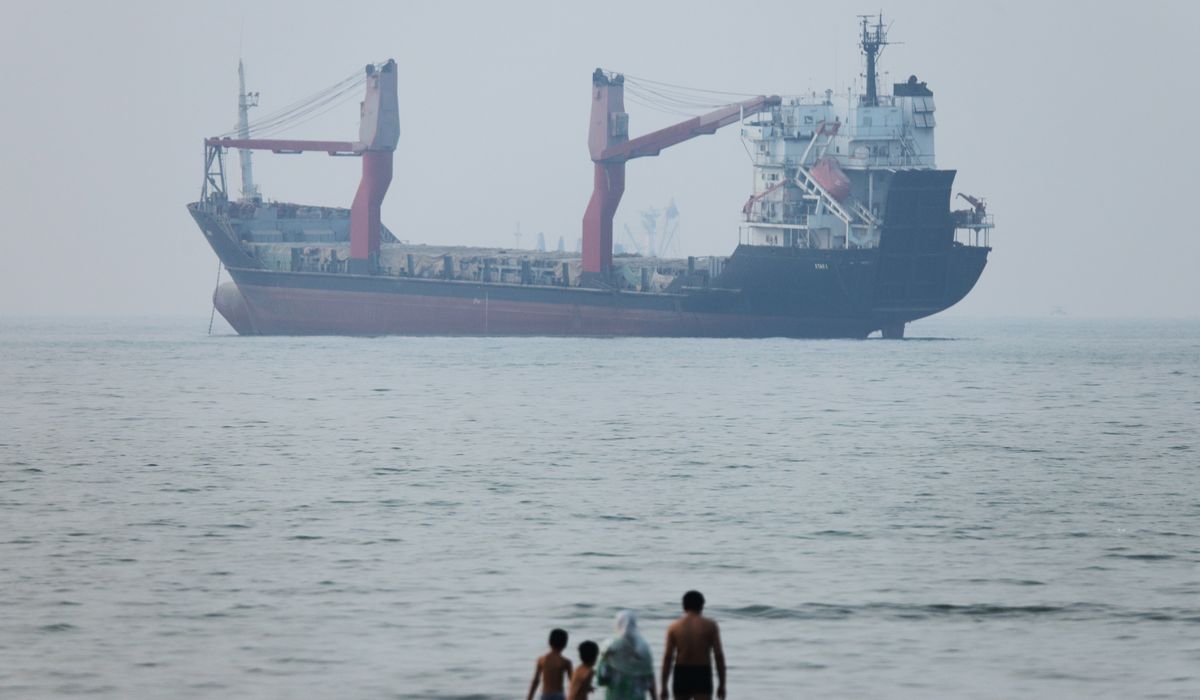
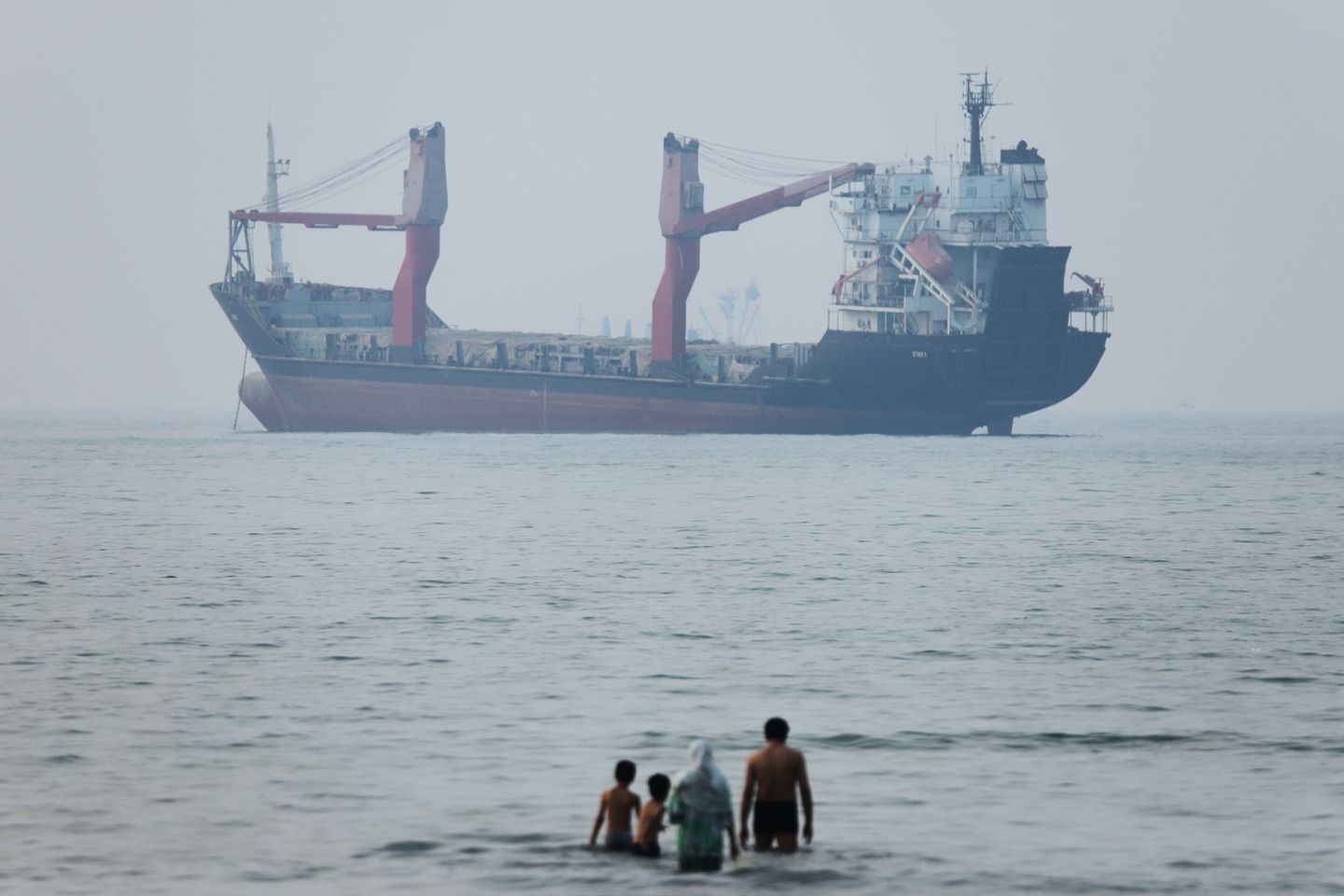
On Tuesday, maritime authorities reported that three commercial tanker ships were attacked by unidentified objects while moving through the Strait of Hormuz, a vital and contested waterway that Iran has intermittently closed since February to pressure international shipping.
While Iran did not directly claim responsibility, the U.S. and several Gulf nations quickly leveled blame at Tehran, and U.S. Central Command launched a series of retaliatory attacks late Tuesday.
The strikes reportedly targeted more than 80 locations across Iran, mostly focused on air defenses, coastal radar sites and command and control networks on the country’s southern coastline. Centcom said the goal of the attacks was to degrade Iran’s ability to interfere with international commerce in the Strait of Hormuz.
Casualties from the strikes have not yet been confirmed.
The Tuesday attacks are much more extensive than those launched by CENTCOM last month in response ot a similar attack on a commercial ship traveling through the strait. The U.S. military made it explicit that those attacks were purely proportional and did not seek to restart the war.
Iran on Wednesday launched retaliatory strikes against at least 85 U.S. military installations across Bahrain and Kuwait. Iran’s Islamic Revolutionary Guard Corps also said in a statement that its forces shot down an MQ-9 Reaper drone.
SEE ALSO: Bahrain and Kuwait face incoming missiles after U.S. strikes on Iran
Iran’s Khatam al-Anbiya Central Headquarters wrote in a statement that “the origin of any support for the aggressor U.S. military” would be a legitimate target of the Iranian armed forces, implying that Gulf nations could expect further strikes if they host U.S. military installations.
Iran’s foreign ministry on Wednesday said the U.S. strikes came after a series of flagrant violations of the terms laid out in the memorandum. Specifically, it said the U.S. made the agreement invalid after it revoked Iran’s ability to sell oil, interfered with Iranian operations in the Strait of Hormuz and failed to stop Israeli attacks in Lebanon.
Mohammad Bagher Ghalibaf, Iran’s parliamentary speaker and chief negotiator with the U.S., kept a defiant attitude after the strikes, insisting that Washington had broken the agreement first.
“The era of bullying and extortion is over. It leads nowhere. We don’t fold,” he wrote on X.