President Trump on Thursday expanded his Ratepayer Protection Pledge to a sweeping coalition of governors, state legislatures, utilities and data center developers — demanding that tech giants foot the energy bills for their power-hungry data centers rather than passing those costs onto American families.
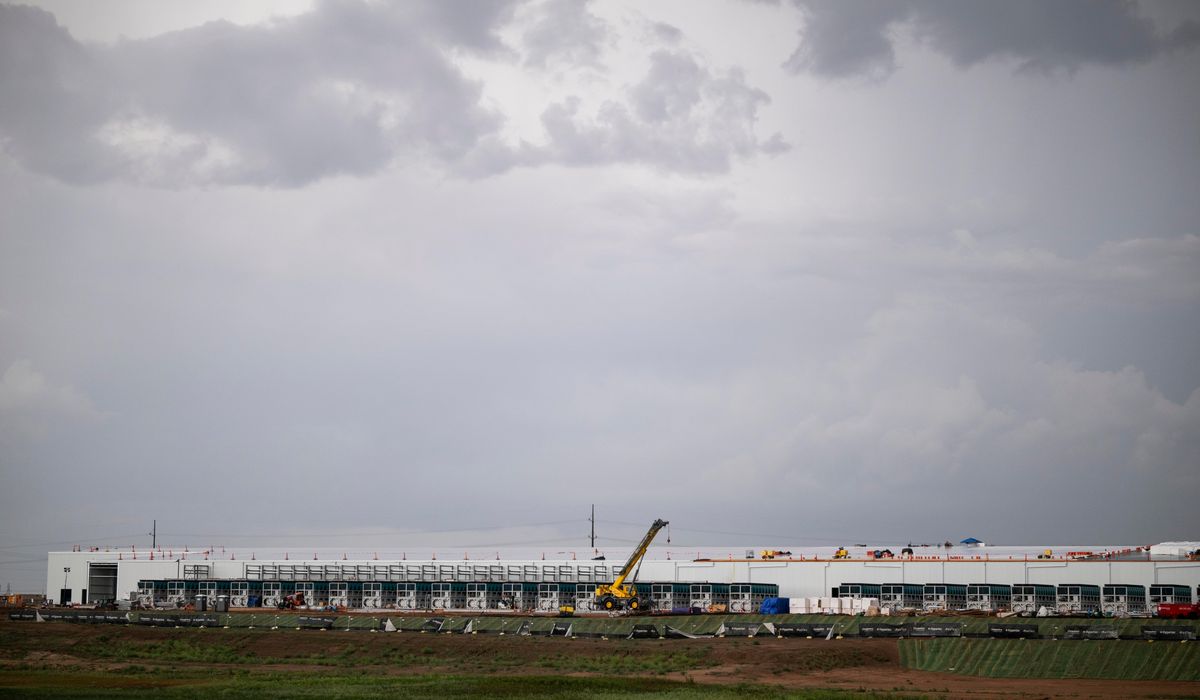
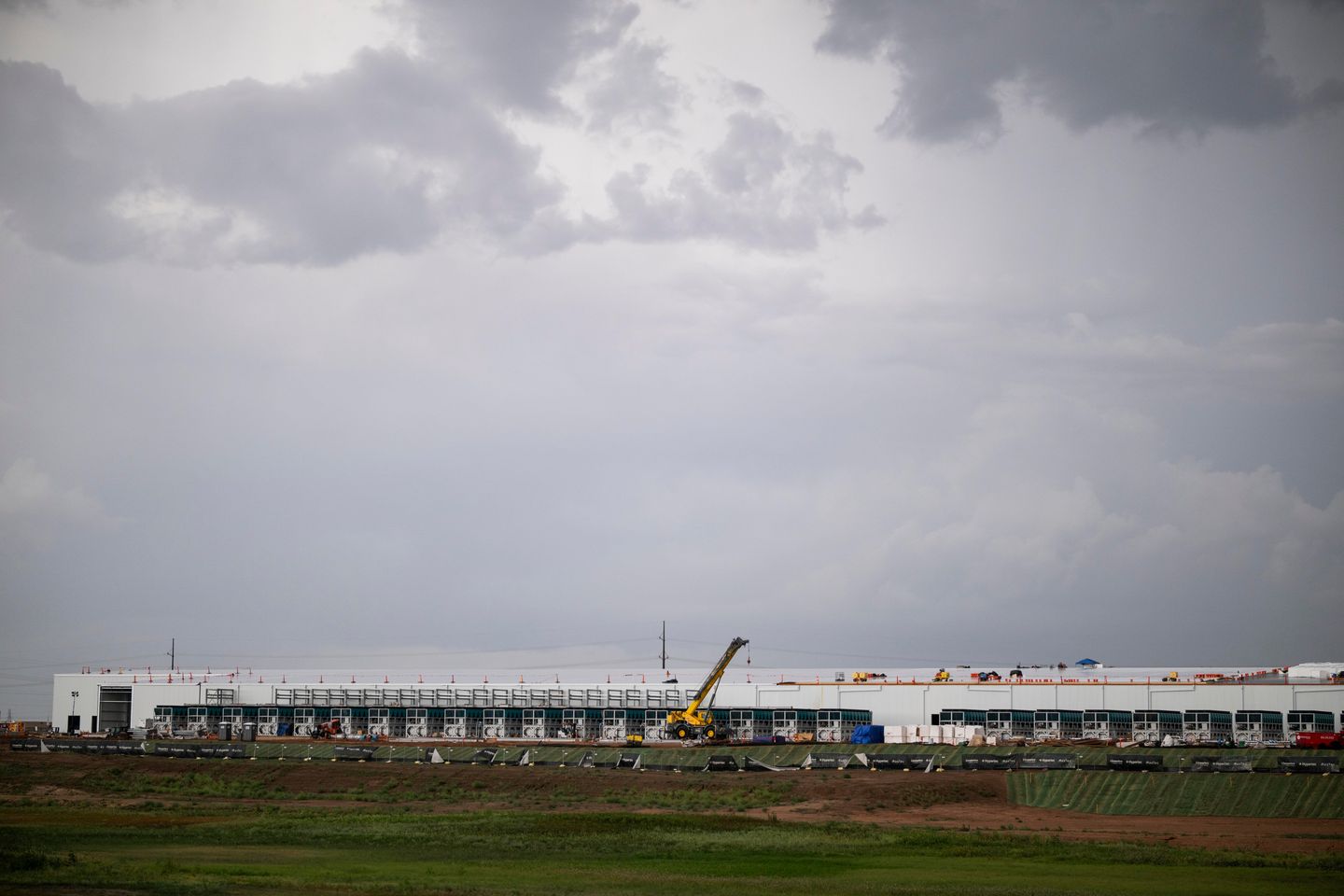
Mr. Trump has embraced data centers as a front line in America’s AI race with China, though he’s up against an anti-data center movement that has exploded nationwide, with politicians from both parties joining it.
“You’re going to be building your own data centers and you’re going to be building your own electric plants. You’re essentially becoming a utility like Con Edison in New York,” he said, announcing the expanded pledge at the Environmental Protection Agency’s headquarters in Washington.
“With the Trump administration’s rate payer protection plan, the American innovators and consumers thrive to win together because we’re insisting that AI data centers and big tech companies pay their own way.”
Mr. Trump championed the initiative alongside Energy Secretary Chris Wright, EPA Administrator Lee Zeldin and four Republican governors who have signed the pledge: Louisiana’s Jeff Landry, Georgia’s Brian Kemp, Nebraska’s Jim Pillen and Idaho’s Brad Little.
The president announced that major utilities, including NextEra Energy and Duke Energy, joined the Ratepayer Protection Pledge.
Earlier in the year, he sought deals with Big Tech companies that would pay for increased energy costs in places where they build data centers.
Google, Microsoft, Meta, Oracle, xAI, OpenAI and Amazon previously signed agreements with the administration.
Now, almost 200 more groups, including utilities, electricity co-ops, data center developers, public power sources and state governors, have become pledge signers, according to the White House.
The pledge is expected to cover 80% of the power distributed to U.S. homes and businesses.
In a March proclamation, Mr. Trump said AI companies “will pay for all new power delivery infrastructure upgrades required to service their data centers, including adequate network upgrade costs to ensure that these expenses are not passed on to the ordinary household.”
Opposition to AI data center construction has ramped up.
At least 75 U.S. data center projects worth about $130 billion were blocked or postponed in the first quarter of 2026 amid local pushback, according to a report from Data Center Watch, which tracks community resistance to the projects nationwide.
The group found that the number of active grassroots opposition organizations more than doubled to 833 across 49 states between the end of 2025 and March.