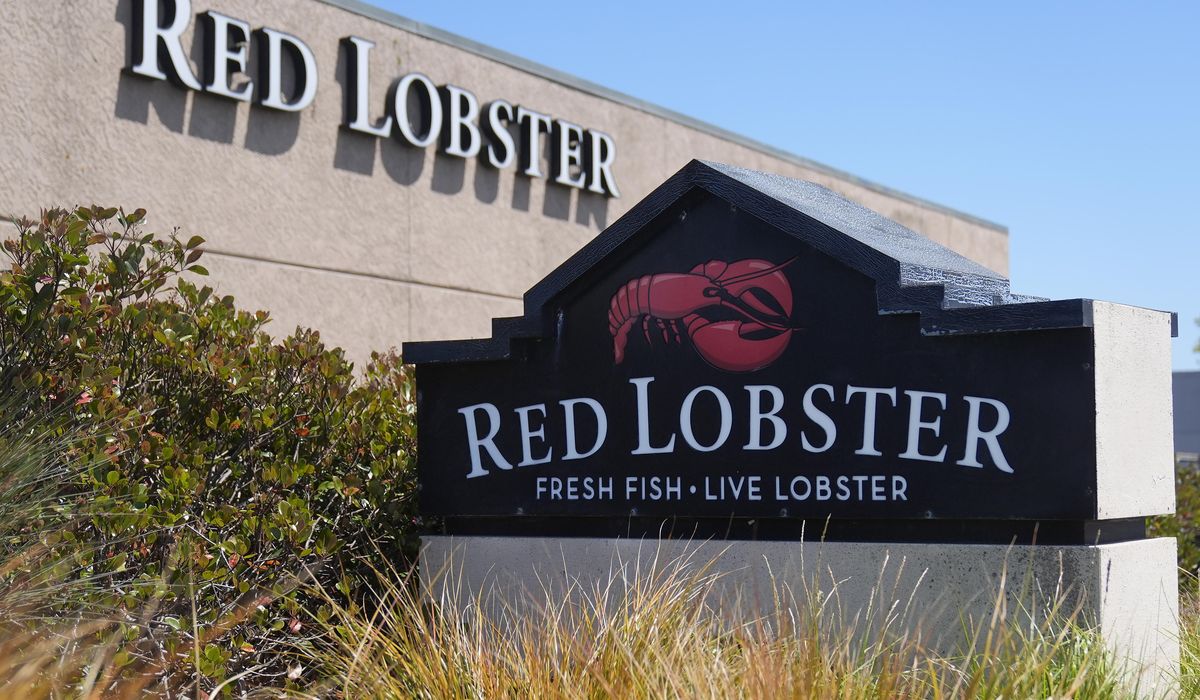
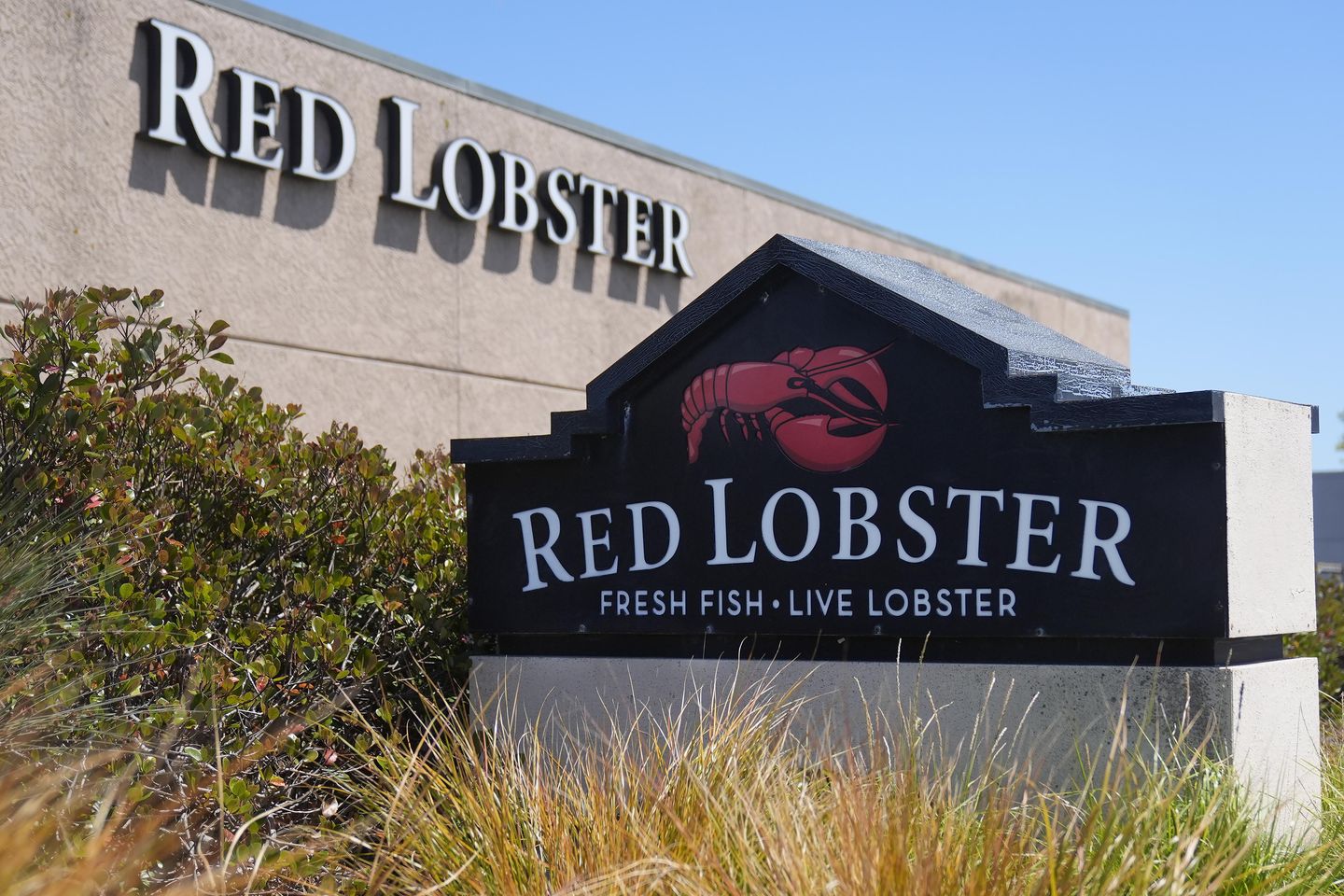
The chairman of the U.S. Arctic Research Commission is pitching American control of Greenland partly on the basis of its potential benefit to an unlikely domestic constituency: Red Lobster diners.
Thomas Dans, a Texas venture capitalist and Trump appointee who has spent years promoting closer U.S. ties with the Arctic island, made the claim in a New Yorker profile that portrays him as one of the driving forces behind the administration’s Greenland campaign.
“My view is that the United States could take all the seafood Greenland could produce, and cut out the middleman, and keep it from China — and you could bring back all-you-can-eat shrimp at Red Lobster,” Mr. Dans told the magazine.
The remark was Mr. Dans’ personal speculation, not a position of the Trump administration, which has grounded its case for acquiring Greenland in national security, Arctic military positioning, access to shipping routes and untapped natural resources.
The New Yorker also reported that Danish authorities had identified Mr. Dans as one of three Americans allegedly running private “influence operations” aimed at increasing American sway over the semi-autonomous Danish territory, and that he had served on a previously undisclosed National Security Council task force focused on Greenland during President Trump’s first term.
Mr. Dans was appointed by Mr. Trump in December to chair the U.S. Arctic Research Commission, a federal agency founded in 1984 to establish national policy on scientific advancement in the Arctic. He had previously held the position during Mr. Trump’s first term. In 2024, Mr. Dans founded American Daybreak, a nonprofit promoting U.S. business abroad, and has leveraged both roles to travel to Greenland numerous times.
Mr. Trump has long argued that Greenland is critical to American national security, given its strategic position between North America and Europe and its access to Arctic shipping lanes and natural resources. After first floating the idea of purchasing the island during his first term, he revived the push upon returning to the White House, declaring that U.S. “ownership and control” of the territory was an “absolute necessity.” Critics have warned that any attempt to acquire Greenland would strain relations with Denmark, a longtime NATO ally.
A Reuters/Ipsos poll conducted in January found that just 17% of Americans approved of U.S. efforts to acquire Greenland, with 71% saying the use of military force to take possession of the island would be a bad idea. A separate Quinnipiac University survey put opposition to military force at 86%. Polling has also shown overwhelming opposition among Greenlanders themselves to joining the United States.
Whether Greenland’s seafood would benefit Red Lobster is unclear in any case. The chain’s “Endless Shrimp” promotion, which allows diners to order unlimited servings for a fixed price, had already returned before Mr. Dans made his remarks. After filing for bankruptcy in 2024, Red Lobster reinstated the offer in April 2026 as a limited-time promotion priced at $24.99, nearly $5 more than it cost in 2024.
The promotion’s original demise had nothing to do with Greenland’s seafood supply. Red Lobster’s previous interim chief executive made the deal a permanent menu item in 2022 “despite significant pushback from other members of the company’s management team,” according to court filings, costing the chain $11 million and burdening it with supply obligations to its equity sponsor, Thai Union. A fuller accounting of the chain’s collapse, detailed by Restaurant Dive, traces the financial deterioration back a decade to a sale-leaseback arrangement that stripped the company of its real estate holdings. Red Lobster’s net losses reached $76 million in its 2023 fiscal year, with customer count down 30% since 2019. The chain filed for Chapter 11 bankruptcy protection in May 2024.
This article was constructed with the assistance of artificial intelligence and published by a member of The Washington Times’ AI News Desk team. The contents of this report are based solely on The Washington Times’ original reporting, wire services, and/or other sources cited within the report. For more information, please read our AI policy or contact Steve Fink, Director of Artificial Intelligence, at sfink@washingtontimes.com
The Washington Times AI Ethics Newsroom Committee can be reached at aispotlight@washingtontimes.com.