There was a time when asking questions of those seeking public office was considered a civic duty. Today, it is too often dismissed as a political attack. We have become so conditioned to choosing teams that we mistake scrutiny for sabotage, as though holding our own candidates accountable somehow strengthens the opposition. It doesn’t. It strengthens the Republic.
Florida now stands at another political crossroads as voters prepare to choose their next governor. Every candidate will promise prosperity, safer communities, lower taxes, stronger schools, and a brighter future. Every campaign will produce polished advertisements, carefully crafted speeches, and endorsements designed to reassure us that their candidate alone is the right choice. Yet none of those things should exempt anyone from answering reasonable questions about their financial interests, business relationships, or the possibility of conflicts that could influence public decision-making. In fact, the higher the office, the greater the obligation to answer them.
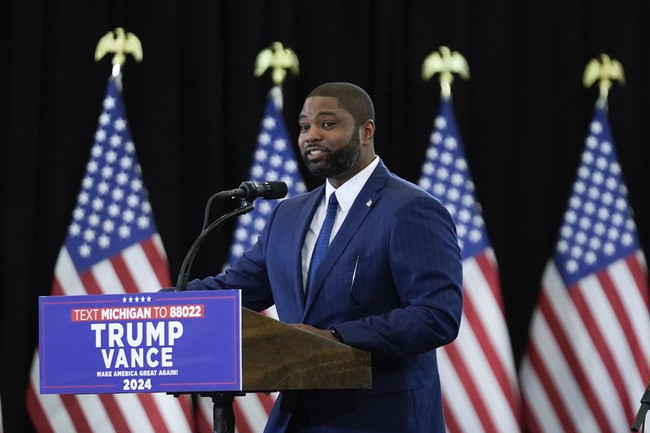
Recent reporting has raised questions surrounding Rep. Byron Donalds’ (R-Fla.) household financial disclosures involving Bitcoin investments. Separate reporting has examined international business entities connected to organizations within the broader business network of his wife, Erika Donalds. Donalds’ office has stated that the Bitcoin purchase belonged to his wife and that his congressional disclosure would be amended accordingly. Neither report alleges that he committed a crime. That distinction matters, and it deserves to be stated plainly. Transparency is not a substitute for a criminal investigation, nor should questions about disclosure be mistaken for accusations of wrongdoing.
That is precisely the point.
Somewhere along the way, we lowered the standard for those who govern us. We began treating “nothing illegal occurred” as though it were the same thing as earning the public’s confidence. Those are not the same standard. The law establishes the minimum requirements of conduct. Public trust demands something higher. Citizens are not asking whether a prosecutor can bring charges. They are asking whether the people seeking extraordinary power are willing to provide extraordinary transparency.
That expectation should not begin or end with Byron Donalds. It should apply equally to every Republican, every Democrat, every independent, and every public servant who asks millions of strangers to place their faith in them. We have watched controversies involving congressional stock trades, family business dealings, undisclosed financial interests, lobbying relationships, and revolving doors between government and private industry for decades. Each time, Americans retreat to their political corners and defend whichever side wears their jersey. Meanwhile, confidence in our institutions continues to erode.
The office of governor is not merely another political prize. It carries enormous authority over the lives of ordinary Floridians. A governor signs legislation into law, appoints judges who will shape justice for generations, oversees agencies that regulate businesses and professions, directs emergency powers during times of crisis, and influences billions of taxpayer dollars. Those responsibilities require more than intelligence, ambition, or political skill. They require confidence that decisions are being made solely in the public interest.
No candidate should fear questions that honest disclosure can answer. If public policy could affect household investments, voters have every right to understand those interests. If business relationships extend beyond our borders, voters have every right to understand their nature. If disclosures require amendment or clarification, the public deserves prompt and complete explanations. None of those questions presume guilt. They simply recognize that government exists only by the consent of the governed, and consent cannot be truly informed when relevant information remains unclear.
Perhaps what troubles me most is not any single report or any one candidate. It is how quickly we have trained ourselves to stop asking questions altogether. We have become suspicious of scrutiny instead of suspicious of secrecy. We rush to defend politicians we have never met while expecting ordinary citizens to surrender every detail of their finances, their taxes, their property, and their personal lives to government agencies without hesitation. The imbalance should concern every American, regardless of ideology.
Our Republic was never designed to function on blind trust. It was designed to function on accountability. The Framers understood that power is safest when those who exercise it know they will be examined. Transparency was never intended to be a burden imposed by political opponents. It was meant to be a safeguard for the people.
Related: Corrupt to the Core: Colorado’s Judicial Cartel Is Finally Under the Microscope
I have spent years reading court files, government records, sworn testimony, and public documents that most people will never see. Again and again, I have learned the same lesson. The greatest failures of government rarely begin with spectacular acts of corruption. They begin quietly, when citizens convince themselves that asking difficult questions is somehow impolite, disloyal, or unnecessary. That is how institutions drift. That is how trust disappears. And that is how governments slowly forget who they work for.
The answer is not cynicism. The answer is sunlight. If a candidate’s financial disclosures are complete, transparency confirms it. If business relationships are appropriate, transparency demonstrates it. If questions have simple explanations, transparency settles them. Honest leaders do not fear disclosure because disclosure is how confidence is built.
Florida deserves leaders who understand that public office is not an entitlement bestowed by elections. It is a temporary trust placed in imperfect human beings by millions of citizens who have every right to ask difficult questions before they hand over that trust. Those questions are not acts of hostility. They are acts of stewardship. They are how free people protect self-government.
In the end, elections are not simply about choosing who will govern us. They are about deciding what standards we are willing to accept from those who seek that privilege. If we stop expecting transparency before power is granted, we should not be surprised when accountability becomes impossible after it is.
Editor’s Note: Help us continue to report the truth about political corruption and how to fix it. Join PJ Media VIP and use promo code FIGHT to receive 60% off your membership.