In a case involving oil giant ExxonMobil, the Supreme Court held that a federal law granting the right to sue a foreign country over confiscated property overrides sovereign immunity.
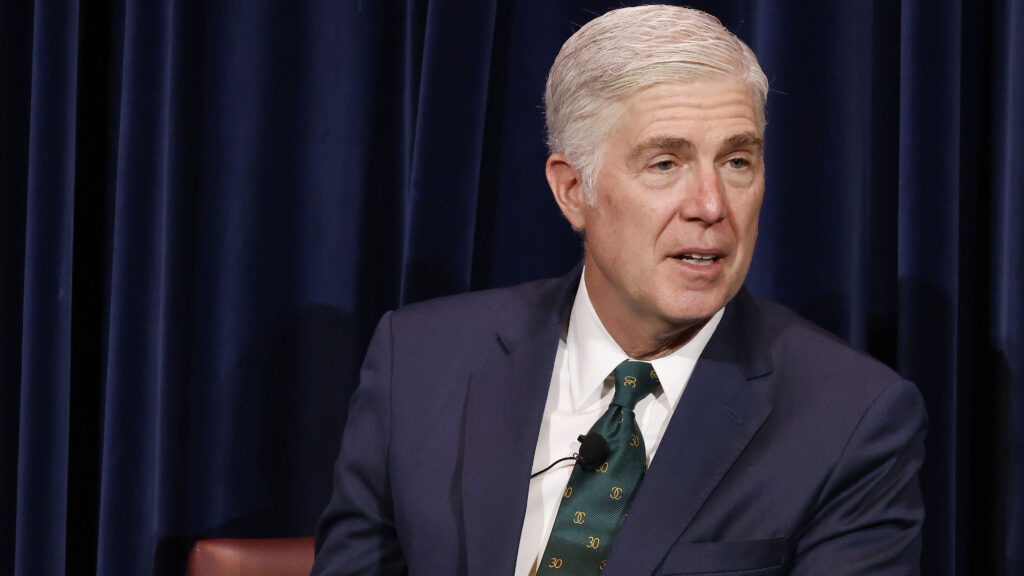
The court ruled 6-3, splitting along ideological lines. Justice Neil Gorsuch authored the majority opinion.
ExxonMobil is seeking more than $1 billion in compensation for oil and gas assets seized by a Cuban state-owned company CIMEX. It filed the lawsuit in federal court in 2019 in the District of Columbia, CNBC reported.
ExxonMobil wants the high court to reverse a 2024 lower court ruling that this was a foreign sovereign immunity matter, meaning a foreign government could not be sued.
The case was based on the Cuban Liberty and Democratic Solidarity Act of 1996, also known as the Helms-Burton Act, which formalized the U.S. trade embargo against Cuba. Title III of the law allows lawsuits in U.S. courts against entities that traffic in property confiscated by the Cuban government after the communist revolution of 1959.
However, most presidents did not allow lawsuits to proceed under the law. Presidents Bill Clinton, George W. Bush, and Barack Obama all suspended Title III, seeking to avoid diplomatic conflicts with U.S. allies such as Canada and Spain that are heavily invested in Cuba. Obama also expanded relations with Cuba during his second term.
President Donald Trump lifted the suspension of lawsuits in 2019, leading to about 40 complaints.
The defense cited the Foreign Sovereign Immunities Act, or FSIA, arguing that Title III violated international law.