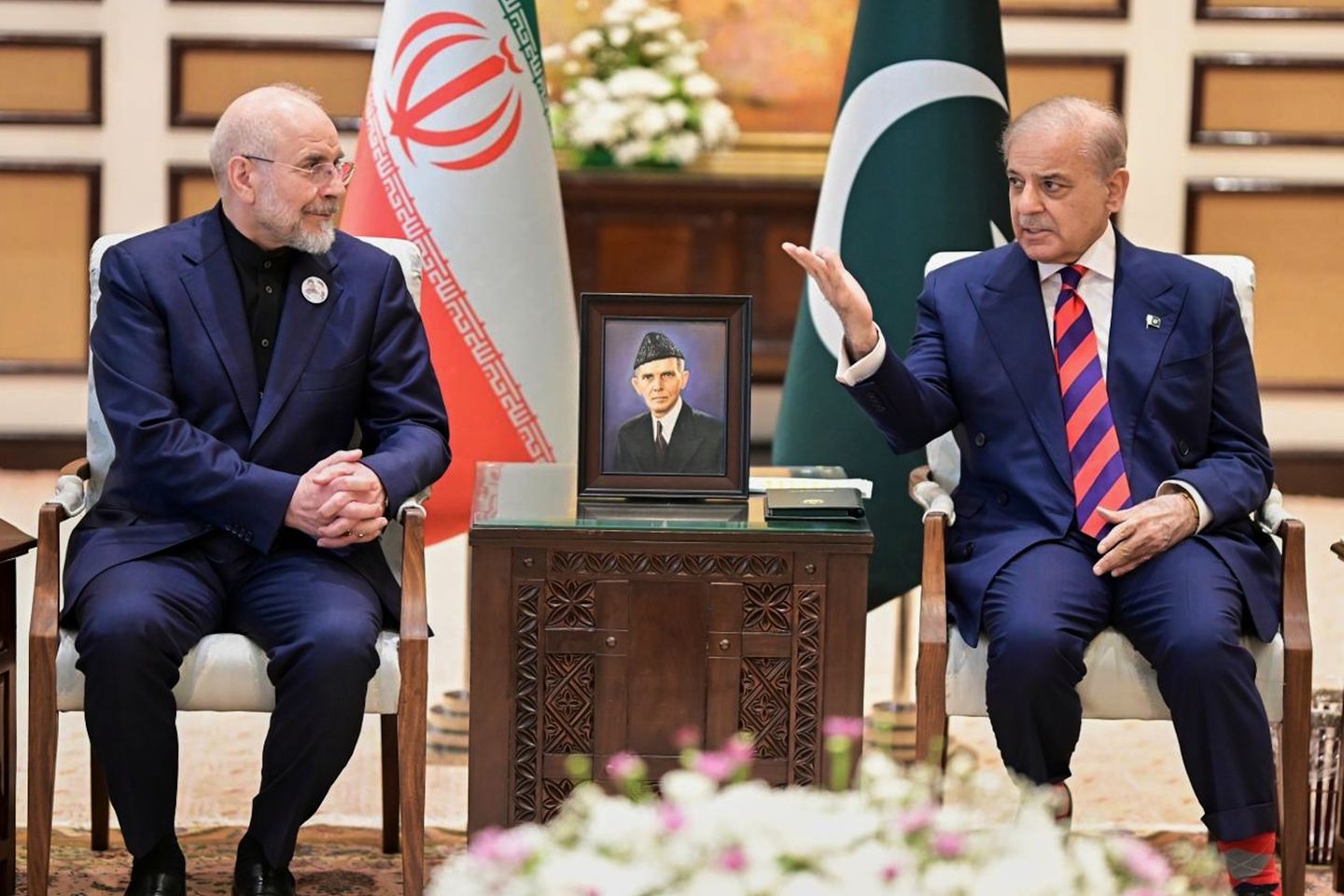
Iranian officials refused Tuesday to commit to peace negotiations with the United States, even as a U.S. delegation prepared to travel to Pakistan for talks ahead of the ceasefire’s expiration on Wednesday.
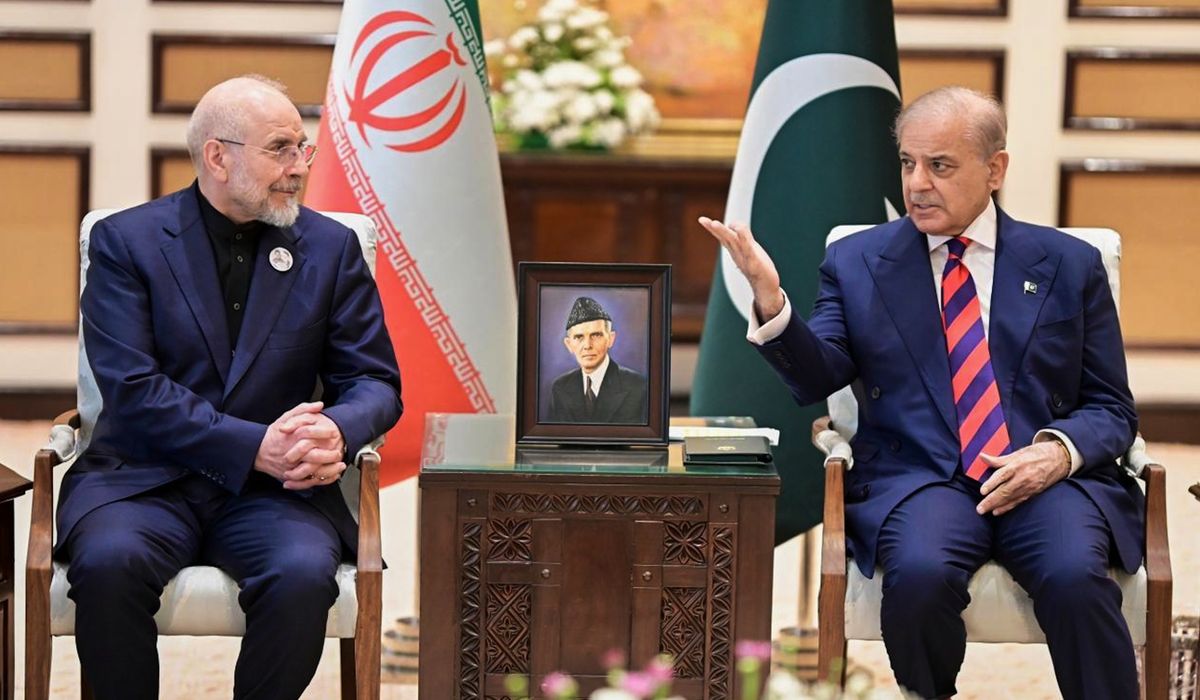
Iranian parliament Speaker Mohammad Bagher Ghalibaf, who led the Islamic republic’s negotiating team during the last round of talks, said Tuesday that Tehran would never negotiate under threats and warned President Trump to change course.
“Trump, by imposing a siege and violating the ceasefire, seeks to turn this negotiating table — in his own imagination — into a table of surrender or to justify renewed warmongering,” Mr. Bagher Ghalibaf posted on X. “We do not accept negotiations under the shadow of threats, and in the past two weeks, we have prepared to reveal new cards on the battlefield.”
Mr. Bagher Ghalibaf appeared to be referring to the U.S. blockade of Iranian ports along the Strait of Hormuz and the seizure of an Iranian-flagged cargo ship on Sunday.
Tehran has repeatedly insisted that both actions violate the ceasefire agreement, signed this month, and have made peace negotiations difficult.
Gholamhossein Mohseni Ejei, the head of Iran’s judiciary, said Tuesday that the blockade and the attack on the commercial vessel constitute war crimes. Iran’s Foreign Ministry called the seizure an act of “maritime piracy,” in a statement Tuesday.
SEE ALSO: Trump says deal with Iran is still possible, as ceasefire nears end
The comments cast doubt on Iran’s participation in negotiations with the U.S. this week. Mr. Trump announced Sunday that a U.S. team of White House Special Envoy Steve Witkoff and Mr. Trump’s son-in-law Jared Kushner would travel to Islamabad, Pakistan, for another round of negotiations this week.
It was revealed Monday that Vice President J.D. Vance, who led the U.S. team during the last round of talks, would be part of the delegation this time and would fly Tuesday to Pakistan.
The U.S. is seeking an agreement that would eliminate Iran’s nuclear program, end the regime’s support of regional proxy groups and reopen the Strait of Hormuz, which Iran has kept effectively closed for over a month.
Mr. Trump reiterated his threats to resume attacks on Iran if it does not come to the negotiating table.
“They’re going to negotiate, and if they don’t, they’re going to see problems like they’ve never seen before,” the president said Monday in a radio interview.