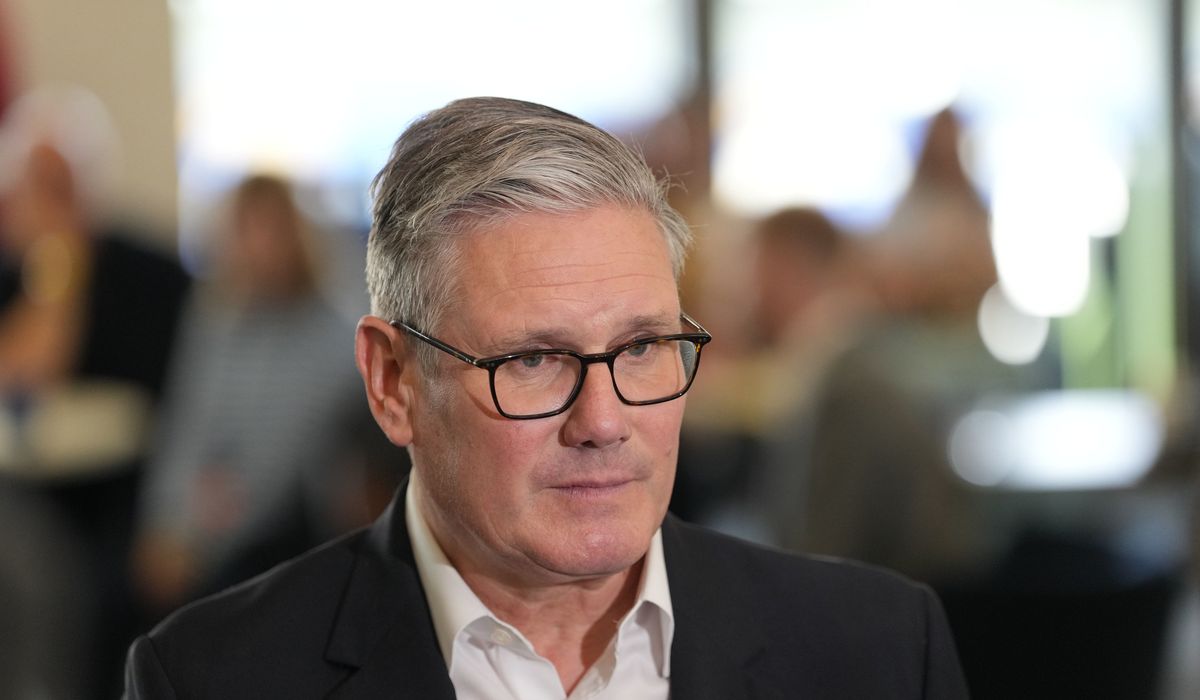
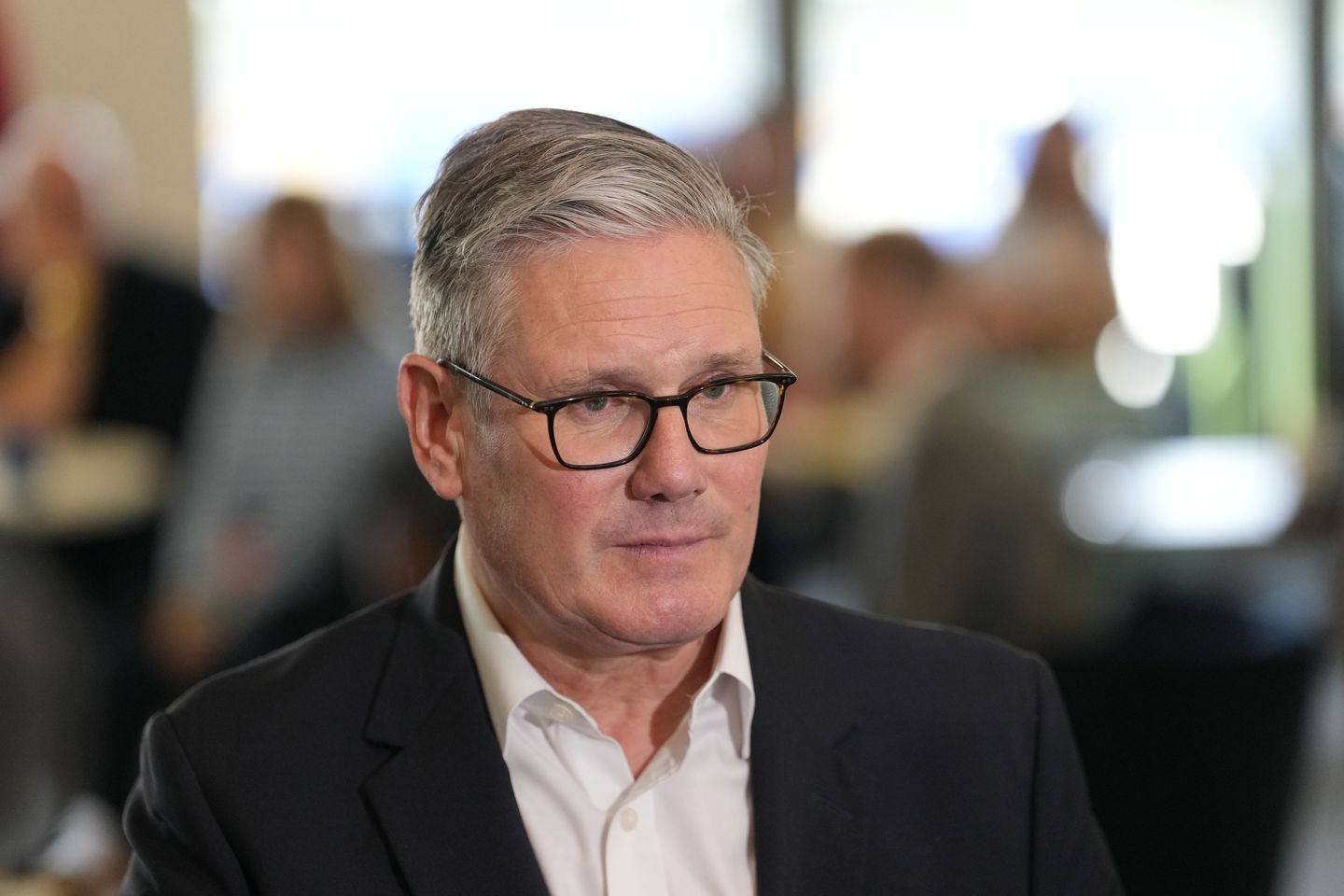
LONDON — U.K. Prime Minister Keir Starmer told members of his Cabinet on Tuesday that he has no intention to resign as calls within his Labor Party for him to step down grew louder.
Starmer is trying to shore up support within his Cabinet following a febrile few days in the wake of hefty losses for the Labor Party in local elections last week, which if repeated in a national election would see it overwhelmingly ejected from power.
The meeting was taking place after more than 70 Labor backbenchers, representing nearly a fifth of the party’s representation in the House of Commons, said that Starmer should stand down, or at least set out a timetable for his departure. That’s just an indication of the discontent within the Labor ranks, since no one has yet announced they will stand as a candidate for the party leadership, directly challenging Starmer.
On Tuesday, junior minister Miatta Fahnbulleh stepped down, urging Starmer “to do the right thing for the country” and set a timetable to step aside.
Fahnbulleh, who was the housing, communities and local government minister and is considered to be on the left of the party, said that she was proud of her service, but that the government hadn’t acted with the vision, pace and mandate for change it had been given by voters.
“Nor have we governed as a Labor Party clear about our values and strong in our convictions,” she said.
Despite winning a landslide election victory in July 2024, Labor’s popularity has sunk and Starmer is getting much of the blame.
The reasons why are varied, including a series of policy missteps, a perceived lack of vision, a struggling British economy and questions over his judgment – especially his appointment of Peter Mandelson as U.K. ambassador to Washington despite the envoy’s ties to the convicted sex offender Jeffrey Epstein.
Starmer doubled down on his resolve to stay in post.
At the start of their meeting Tuesday, Starmer told Cabinet ministers that he took responsibility for the losses in last week’s local elections across the U.K. but that he would fight on. Last week’s elections saw Labor squeezed from right and left, losing votes to both the anti-immigrant Reform UK and the “eco-populist” Green Party. The result reflects the increasing fragmentation of U.K. politics, long dominated by Labor and the Conservatives.
Starmer said that there’s a process to oust a leader and that it hadn’t been triggered.
Under Labor’s rules, candidates must have the support of a fifth of the party’s House of Commons lawmakers – a number that currently stands at 81.
“The country expects us to get on with governing,” Starmer said. “That is what I am doing and what we must do.”
The next U.K. national election doesn’t have to be held until 2029, but British politics allows parties to change leader midterm without the need for a general election.
Starmer had hoped to regain momentum with a speech on Monday intended to kickstart his fightback against detractors, and an ambitious set of legislative plans to be set out by King Charles III at the State Opening of Parliament on Wednesday.
___
Danica Kirka in London contributed to this report.