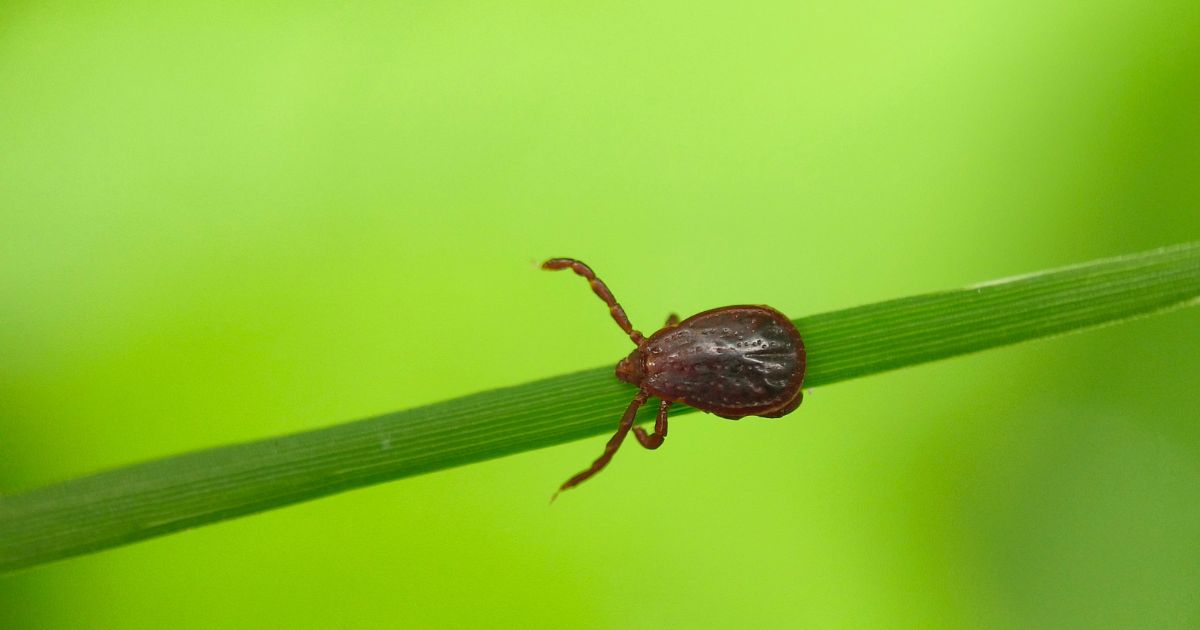
A tick-borne virus has been discovered in Asia and is being linked to an illness with a high mortality rate.
Chinese researchers have called the virus the Asian longhorned tick nairovirus, according to a University of Minnesota website.
A report in the New England Journal of Medicine explained the disease.
“Severe fever with thrombocytopenia syndrome (SFTS), caused by Dabie bandavirus (DBV; formerly known as SFTS virus), is a tickborne hemorrhagic fever disease that is endemic in Asia; it has a case fatality rate of 10 to 30% and is listed by the World Health Organization as a priority infectious disease requiring research.”
The report noted that more than 30 percent of patients with SFTS test negative for DBV, meaning some other disease is at work.
The virus was found in patients who were bitten by ticks in various parts of China, according to the university site.
The virus caused fatigue, gastrointestinal illness, thrombocytopenia, and liver damage. Tests showed that ticks can transmit the disease to mice.
Have you ever been bitten by a tick?
Dr. Sharon Nachman, chief of pediatric infectious diseases at Stony Brook Children’s Hospital in New York, said Chinese research into SFTS has been ongoing since 2009.
“Thrombocytopenia is low platelet count, so those patients bled, and it had about a 30% mortality, which is quite high,” she told Fox News. “So, they kept following those patients.”
“The big picture is that ticks carry lots of viruses,” Nachman added. “We’re getting smarter at identifying those viruses. And when one blood sample is negative, it’s important to say, ‘Maybe there was a new virus there, and let’s look for it.’”
Although the Asian longhorned tick has not been reported in the United States, Nachman noted there are “lots and lots of other ticks, and those ticks carry other diseases.”
“I don’t want to say one tick is worse than another tick. It’s rather all about the diseases they carry and who you are,” she said.
She said identifying a virus is the first step to fighting it.
“Effective antivirals exist for flu, but not for many tick-borne viruses, including the newly identified one,” she said.
Nachman said even if the tick linked to the virus is not in the United States, it makes sense to protect against tick bites.
“Wear the right clothing, meaning long pants, tucking them into your socks, and use tick repellents on your skin if you’re an adult or on your clothing if you’re a young child,” she advised.
“The longer the tick is on your skin, the more it’s engorged, the more it’s likely to pass an infection to you,” Nachman said. “So, removing them after you’ve gone hiking or walking on the beach will be really important.”
Advertise with The Western Journal and reach millions of highly engaged readers, while supporting our work. Advertise Today.