Pericles, a leader of the first democracy in Athens, gave a famous speech extolling Athenian greatness at a funeral for fallen soldiers. “Our constitution does not copy the laws of neighboring states; we are rather a pattern to others than imitators ourselves,” Pericles boasted in Thucydides’ account of the speech.
Athens served as the “school” of Greece, Pericles noted. “We throw open our city to the world, and never by alien acts exclude foreigners from any opportunity of learning or observing, although the eyes of an enemy may occasionally profit by our liberality.”
Pericles inspired many, including President Ronald Reagan, whose description of America as “a shining city on a hill” echoes Pericles.
Liberal democracy, however, contains unavoidable dilemmas concerning granting liberal freedoms to illiberal factions. These difficulties have appeared recently in American political debates; we must resolve them thoughtfully.
While Pericles took entirely justified pride in the liberality of Athens, we can only speculate where his boundaries would have ended. If, for example, the Spartans had purchased farmland adjacent to Athenian naval bases, would Pericles have felt alarmed?
The New York Post reported on Chinese interests purchasing farmland near 19 different American military bases, raising concerns about both espionage and sabotage. However Pericles would have felt about this situation, both federal and state policymakers in the U.S. have been taking action to curtail these potential threats.
Like Athens, American freedoms are a part of what makes our nation great—including religious freedom. The U.S. Supreme Court has in recent decades interpreted the First Amendment as requiring neutrality towards religious groups. The Establishment Clause (“Congress shall make no law respecting an establishment of religion”) allows neither discrimination in favor of nor against groups based upon religion. The religious neutrality stance embraces the liberal spirit of the First Amendment.
Neutrality towards religious institutions and religious tolerance have served as guiding principles of the education choice movement for decades. Recently, however, the tensions between these principles and state actions to protect against foreign adversaries have collided in Texas.
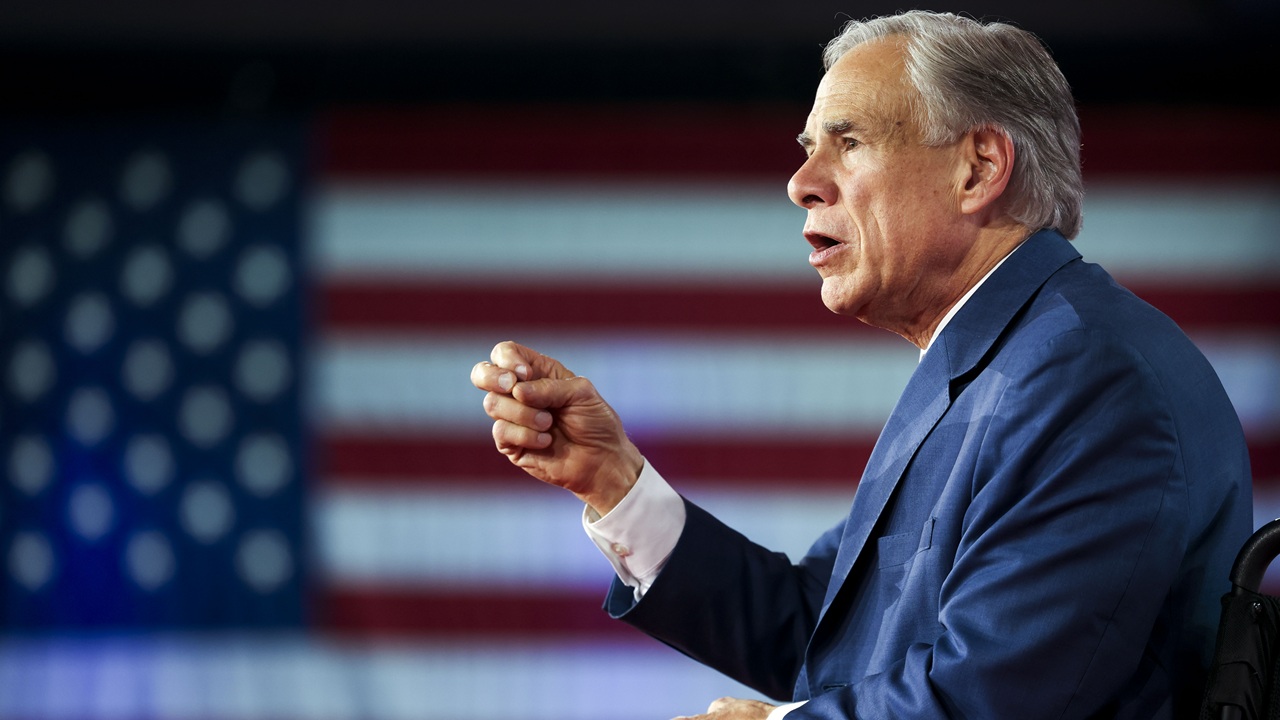
Governor Greg Abbott successfully pushed a private school choice measure through the Texas Legislature in 2025. In the same year Governor Abbott designated the Muslim Brotherhood and the Council on American-Islamic Relations (CAIR) as foreign terrorist organizations under authority granted by state law. Governor Abbott took similar action against the Chinese Communist Party in 2024.
Litigation has ensued regarding the designation of the Muslim Brotherhood and CAIR, and regarding delays made by the state agency administering the new choice program in allowing Islamic schools to participate in the choice program. At the time of this writing, the designation cases remain unresolved, whereas Muslim schools have already successfully sued in federal court for inclusion in the choice program.
A federal judge ruled, “The Constitution does not permit the State to open a public benefit program to private schools and then close the door when Muslim schools seek to enter. Government may not deny a generally available benefit because of a school’s religious character, because of the faith it teaches, or because public officials disfavor the religious community seeking equal treatment.”
The ruling referenced “neutral rules and lawful eligibility standards” but concluded that Texas officials had engaged in prohibited discrimination.
Texas authorities can however take steps to balance the tension between First Amendment jurisprudence and the desire to protect against foreign influence. The ruling of the federal judge regarding neutral rules and lawful eligibility standards points towards workable solutions.
First, authorities could require schools to sign a sworn statement affirming a lack of affiliation with foreign adversaries. Second authorities could investigate those sworn statements in cases of reasonable suspicion. Finally, lawmakers could consider adding language to the Texas legislation from other choice programs to create neutral legal safeguards.
The nation’s second-oldest voucher program—the Cleveland Scholarship Program in Ohio—contains language ensuring neutral legal safeguards. Passed in 1995, that program requires that participating schools “not advocate or foster unlawful behavior or teach hatred of any person or group on the basis of race, ethnicity, national origin, or religion.” This language treats schools neutrally regarding their religious affiliation, but it simultaneously prohibits problematic practices by any school, whether religious or secular, as a condition of participation.
Another example comes from the Indiana Choice Scholarship Program, enacted in 2011. This law requires specific civics education and makes any school advocating for the violent overthrow of the American government ineligible to participate.
Even Pericles would have deeply felt uneasy if adversarial city states such as Sparta and Corinth had invested in Athenian schools in the hopes of getting Athenians to adopt their viewpoints, or worse still, to despise Athenians or Athens itself.
Pericles was a champion of freedom, but he was not a fool. We likewise must balance tensions between our fundamental principles of religious tolerance and prudence regarding security.