The oil crunch is surprisingly tame amid the Middle East conflict, but governments and the energy industry should gird for further shocks that could send prices soaring, the International Energy Agency said Tuesday.
Crude oil markets are benefiting from “several cushioning factors,” but renewed fighting in the Middle East is concerning and leaves “no room for complacency,” said IEA Executive Director Fatih Birol.
He said Gulf countries and other places are using alternative routes to avoid trouble in the Strait of Hormuz during the U.S.-Iran conflict, and emergency drawdowns from strategic reserves are providing stability.
However, the turmoil in the Middle East remains a problem.
“The escalation in hostilities affecting the Strait of Hormuz and energy infrastructure in the region increases security of supply concerns and uncertainty over the market outlook,” Mr. Birol said. “Threats to the Bab el-Mandeb Strait, which has become increasingly important as a route to bypass the Strait of Hormuz, exacerbate these concerns further.”
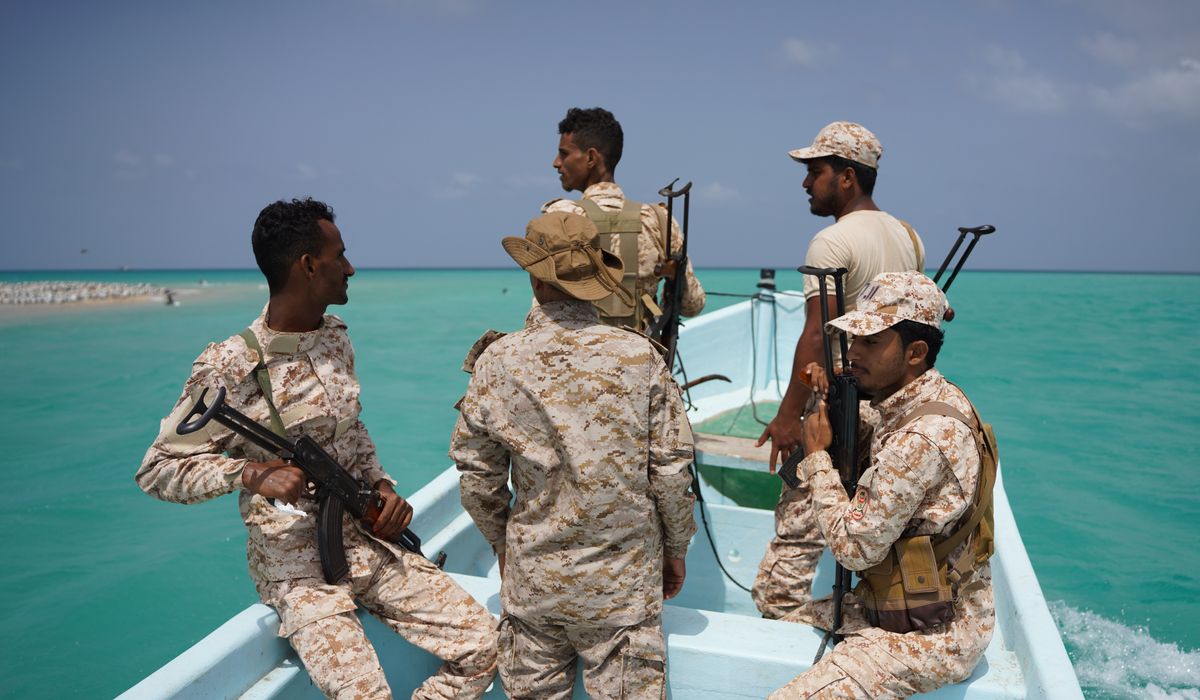
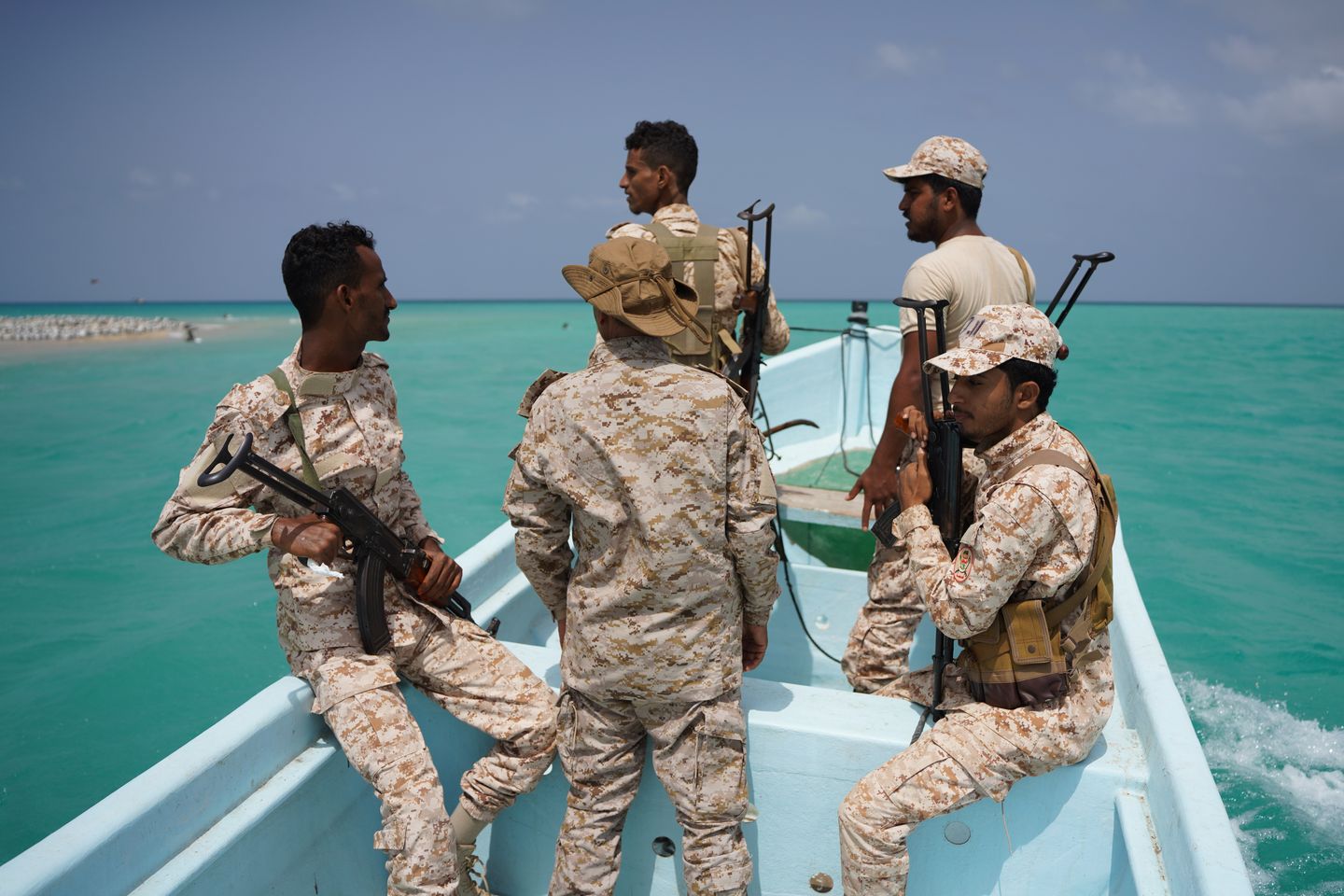
Mr. Birol, whose Paris-based organization promotes global energy security, is referring to a threatened blockade by Iran-backed Houthi factions in Yemen. They want to cut off a key alternate route of Saudi oil supplies that travel through the East-West pipeline to a Red Sea port.
SEE ALSO: Houthi blockade opens new front in Middle East war even as mediators work to salvage peace
Oil markets have been on a roller-coaster ride since late February, when President Trump and Israel launched missile strikes on Iran to prevent it from getting a nuclear weapon.
Tehran retaliated by tightening control of the Strait of Hormuz, a key transit point for oil exports.
A Houthi blockade of Saudi alternatives could worsen the picture.
“If the Houthis can harass vessels in the Bab al-Mandab Strait with a similar success rate as the [Islamic Revolutionary Guard Corps] has had in the Strait of Hormuz, Saudi Arabia’s shipments of oil won’t be the only thing impacted, as insurance rates in the Red Sea will also likely rise, as they have in the Strait of Hormuz, which will raise the cost of using the chokepoint even more,” said Caleb Jasso, a senior policy adviser at the Institute for Energy Research. “If the cost of shipping through both straits grows while oil flows are impeded even further, and that impediment is sustained, the global price of oil will likely continue to rise.”
Gasoline prices in the U.S. are climbing again after a weeks-long decline following a mid-June ceasefire agreement.
The agreement fell apart and fighting resumed, reversing the trend and causing more pain at the pump.
SEE ALSO: Iranian official meets mediators in Pakistan as Iran and U.S. keep up a 10th day of attacks
The average U.S. price of gas stood at $4.02 per gallon on Tuesday, up from $3.86 a week ago and around $3 at the start of the war on Feb. 28, according to the AAA motor club.
The U.S. and Iran exchanged fire for a 10th straight day on Tuesday, though both sides say they remain open to a diplomatic settlement.
“There is no room for complacency on oil security amid the escalation in hostilities and a continued drawdown of available commercial inventories,” Mr. Birol said. “Refinery activity and product supplies have not picked up as much as crude deliveries, meaning that markets for refined oil products, including diesel and gasoline, are considerably tighter than those for crude.”