MADRID — Migrants in Spain began applying to legalize their status on Monday after the Southern European nation launched a mass legalization measure that could affect hundreds of thousands of foreigners living and working there without authorization.
Spain’s approach sharply differs from prevailing attitudes elsewhere in Europe, where many governments have been trying to curb arrivals and step up deportations. The Spain’s government defends the measure as an economic one with the support of business owners and unions.
With an aging population, the government has said it needs more workers to maintain its growing economy, pay taxes and contribute to social security.
The amnesty program was announced in January and finalized this month. It offers immigrants without legal status a one-year, renewable residence permit if they have spent five months living in the country and have a clean criminal record. They have until the end of June to apply.
There have been questions about the short window to process what Spain’s government has said could include 500,000 migrants, and which Spanish think tank Funcas says is around 840,000 people.
Over 370 post offices opened their doors to applicants, and the government has said they also can apply at 60 social security offices and a handful of migration offices. Online applications started Friday.
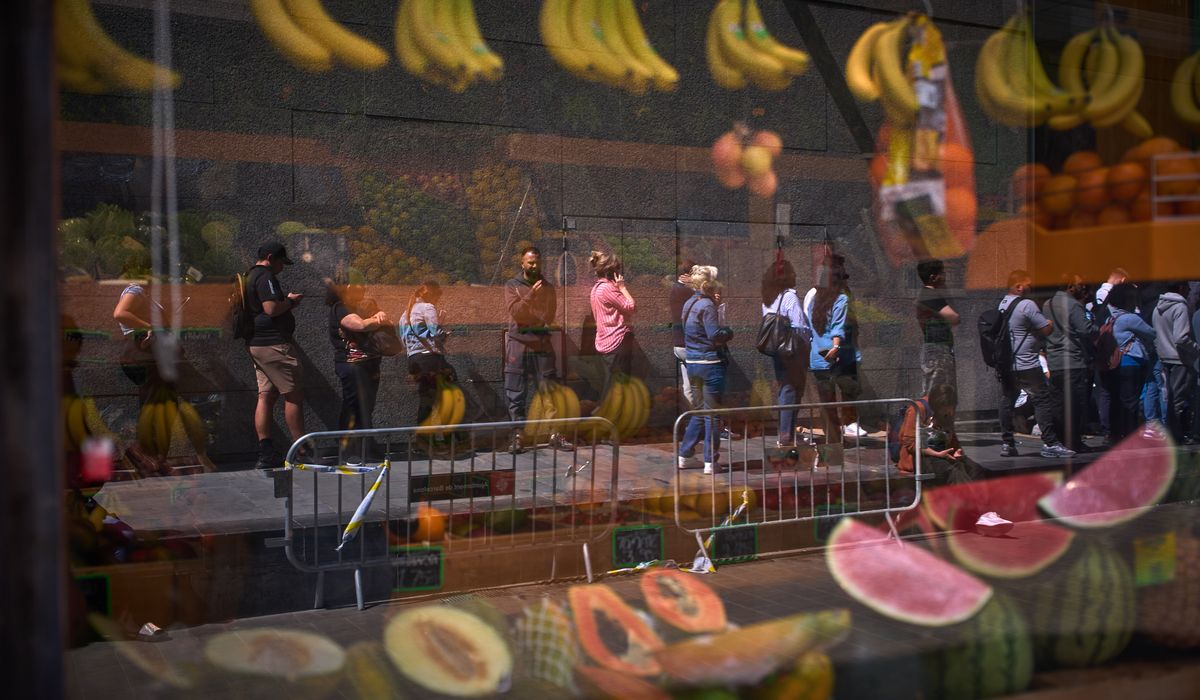
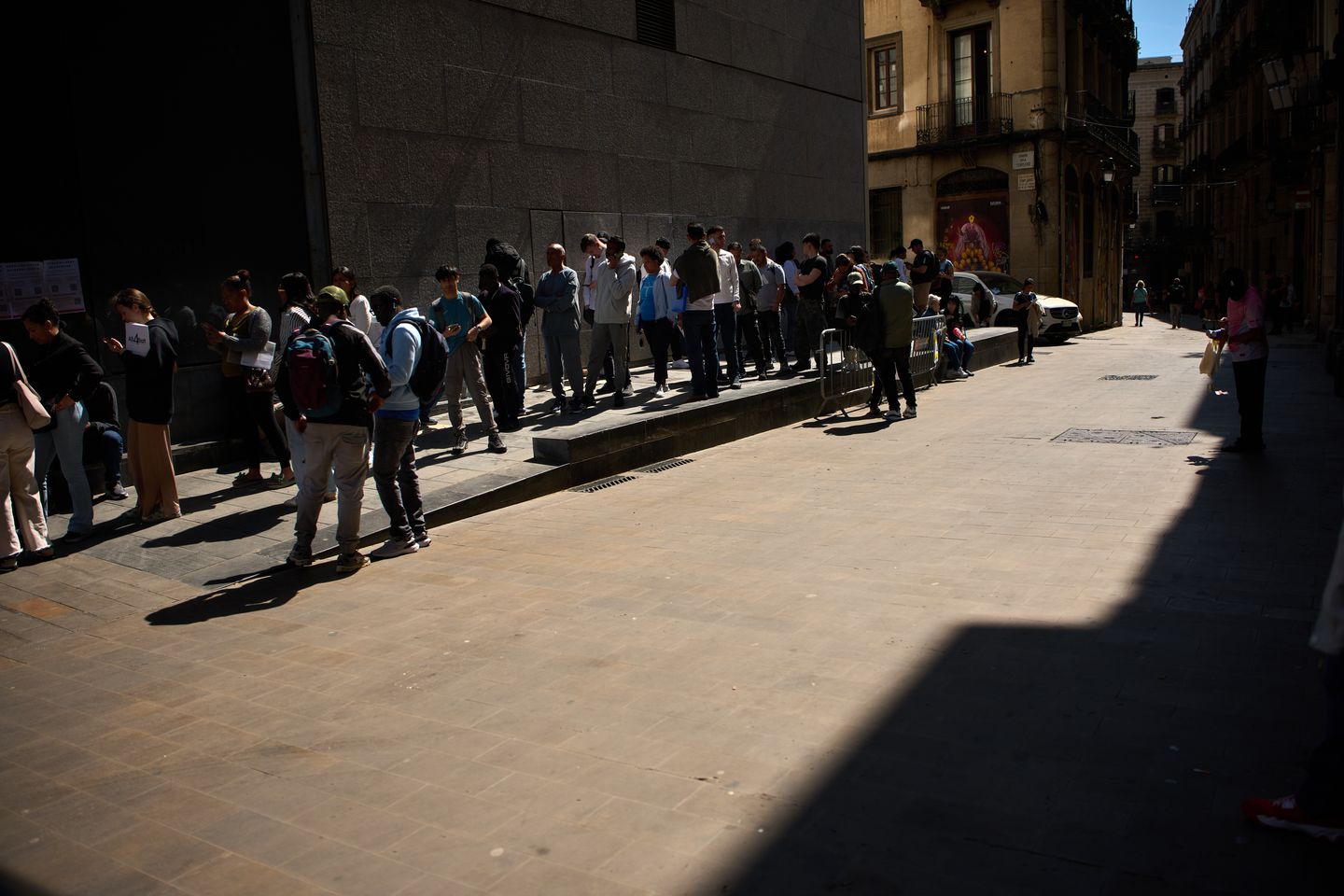
Applicants at post offices in the capital, Madrid, and Barcelona described a process without incidents, though some criticized long wait times even with appointments.
“It’s pretty simple since I made an appointment online and I was given one for this morning,” said Nubia Rivas, a 47-year-old Venezuelan migrant who filed her application at a post office in downtown Madrid. “The process here is a little slow, but it’s fluid.”
Venezuelan migrant Johana Moreno showed up to a post office in central Madrid with her husband. She said she was an archivist in Venezuela but now works cleaning homes.
“It’s what we want,” Moreno said about legalizing her status. “To be well, to work, to contribute, all those things. To pay our taxes. We know that we’ll have rights, but also we’ll have obligations.”
In recent years, Spain’s population has grown considerably to include around 10 million people who were born outside the country, or one in every five residents. Many are from Colombia, Venezuela and Morocco, having fled poverty, violence or political instability.
Many immigrants from Latin America and African countries work in key areas of Spain’s economy including agriculture, tourism and the service sector.