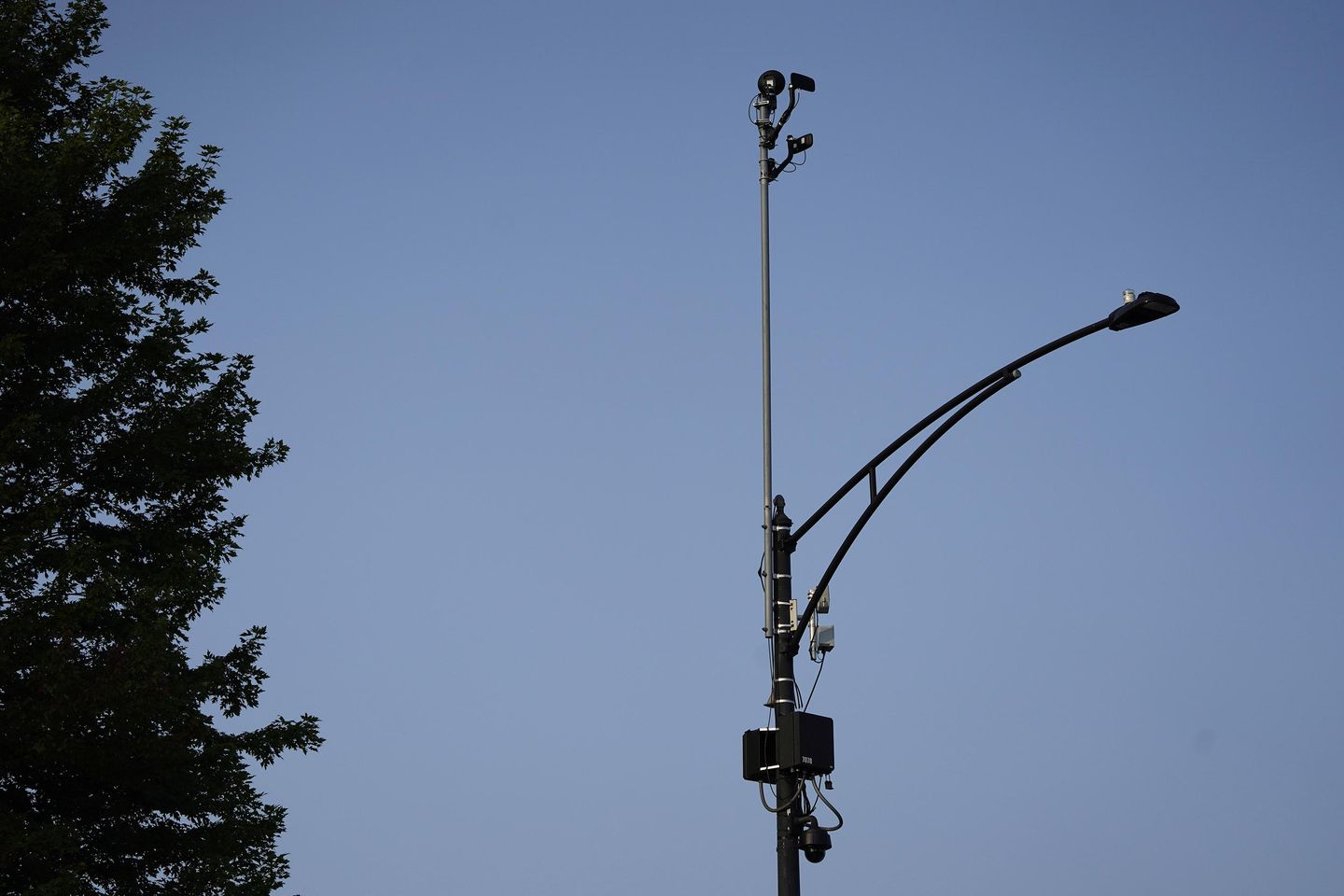
Lawmakers in Cambridge, Massachusetts, voted to reinstall ShotSpotter after police said the gunshot detection technology could have saved a shooting victim last month, while Chicago politicians are debating whether to bring back the surveillance system for safety reasons.
The Cambridge City Council voted 6-3 Monday to bring back ShotSpotter on a temporary basis, just three months after the Boston suburb ditched the technology over concerns it was invasive and ineffective at mitigating gun violence.
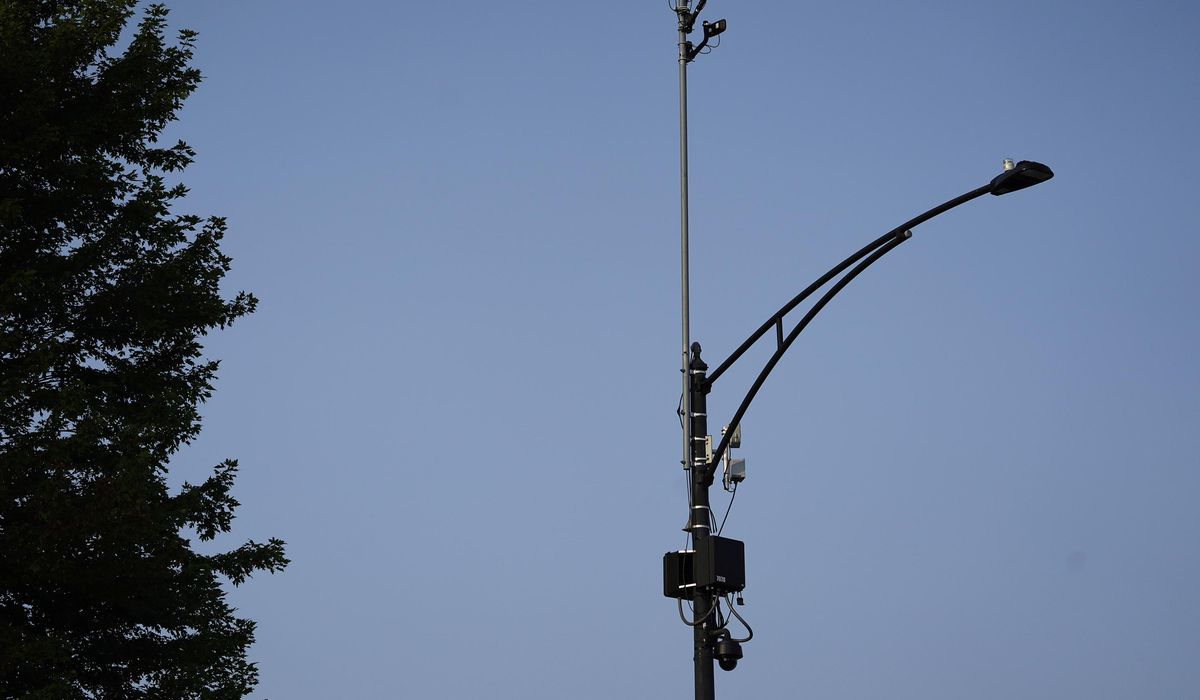
ShotSpotter relies on a network of microphones throughout a city to detect potential gunfire. After a suspected gunshot is detected, the system alerts police about its location.
ShotSpotter has drawn scrutiny for mistaking other sounds for gunfire and prompting unneeded police responses in neighborhoods with testy relationships with authorities. Cambridge had ShotSpotter since 2014 before it was powered down in May.
But the July 4 shooting death of Xavier Bautista, a 32-year-old public works employee, prompted local lawmakers to reverse course. Police said Bautista was in his work uniform when a group of masked men confronted him at about 4 a.m. on Independence Day.
The men shot Bautista before fleeing, authorities said. No emergency services were called until police said pedestrians found him lying in a pool of blood at about 5:25 a.m.
Investigators later charged Rayquon Brown in connection to the slaying.
Acting Cambridge Police Commissioner Pauline Wells said a ShotSpotter microphone had been active in the area before the city council shut down the technology this spring.
Police unions were more critical of the council in a joint statement after Bautista’s killing.
“The tragic shooting death of Cambridge city employee Xavier Bautista is compounded by the fact that there was no opportunity for the victim to receive emergency aid for approximately 60 minutes,” the Cambridge Police Patrol Officers Association and the Cambridge Police Superior Officers Association said. “This is directly related to the City Council’s mandate removing Shot Spotter technology from deployment in Cambridge.”
City Councilor Tim Flaherty said Monday that the reaction to Bautista’s killing motivated him to support rebooting the gunshot detection system.
“They told us overwhelmingly that they demanded ShotSpotter,” said Mr. Flaherty, a Democrat. “I certainly hope that we’ll move forward and turn ShotSpotter back on to improve public safety, help solve crimes, and save lives.”
But some groups, such as the American Civil Liberties Union of Massachusetts, said that evidence of the system working as intended is scant.
“It routinely deploys officers to scenes where they find no evidence a gun was fired,” ACLU attorney Gideon Epstein told lawmakers. “And during the last 12 years the technology has been active in Cambridge, there is no evidence that it helped Cambridge Police solve serious crimes or help them to hold perpetrators of gun violence accountable.”
Cambridge Mayor Sumbul Siddiqui, a Democrat, said the city council will establish a panel of residents to weigh the technology’s future.
In Chicago, local lawmakers have debated online about bringing ShotSpotter back after Mayor Brandon Johnson shut it down in 2024.
The Chicago City Council discussed reviving the technology last year, but aldermen in June expressed frustration that Mr. Johnson still had not decided on a replacement vendor.
Mr. Johnson, a Democrat, has been a vocal critic of the ShotSpotter and has pointed to declining crime statistics to suggest there is no need to reinstate the gunshot detection system.
“In every single neighborhood where that junk technology existed, violence has gone down, and there has been a faster response from law enforcement,” the mayor said, who followed through on a campaign promise by getting rid of ShotSpotter.
Mr. Johnson also referenced a University of Chicago study that found police responded four minutes faster to the most serious 911 calls in the six months after ShotsSpotter was unplugged in September 2024.
Supporters of the detection system, however, said the study did not address whether the police responded faster to shootings in general.
Chicago’s Procurement Department has until February to determine which vendor will replace ShotSpotter.