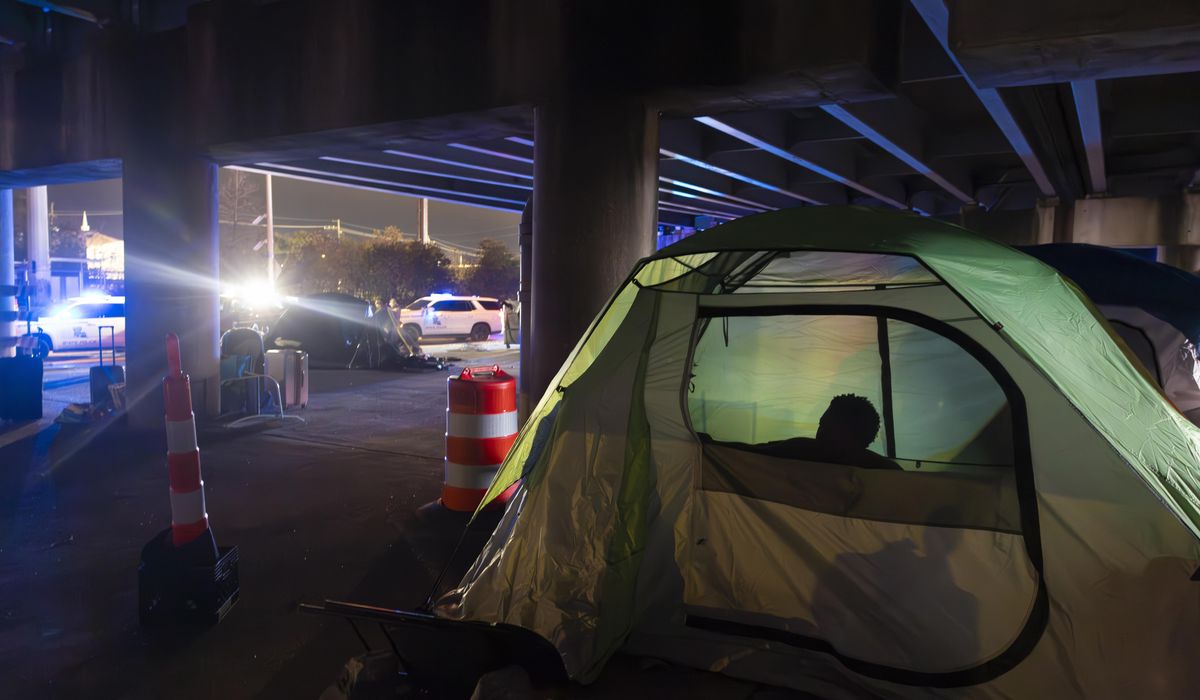
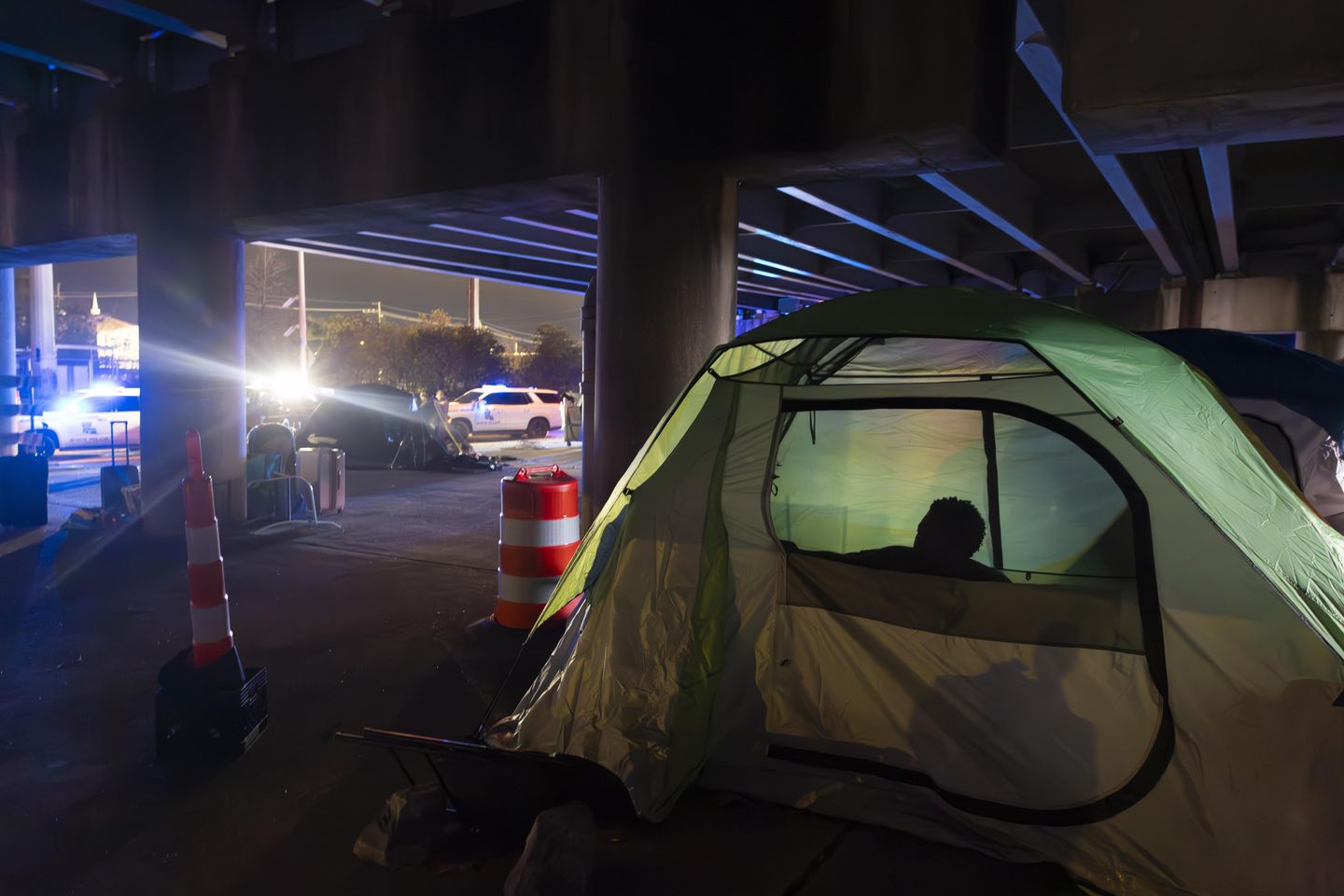
Louisiana’s Republican-led Legislature has approved a bill that would require homeless people to seek addiction and mental health treatment or be thrown in jail.
House Bill 211 would make it a crime to sleep or camp on public property, with offenders facing penalties of up to six months in jail, a $500 fine, or both.
Much of the legislation outlines the proposed Homelessness Court Program, pitched as the noncarceral route for transients caught living on the streets.
The 12-month program would put eligible participants through a treatment regimen that includes services for substance abuse and mental health needs, as well as housing assistance and job training.
Those who complete the program would have their charges dropped. Those who don’t could face criminal penalties.
Local jurisdictions are not required to run their own Homelessness Court Program, meaning authorities could simply opt to arrest, fine and jail vagrants instead of trying to rehabilitate them.
Municipal governments can also create their own designated area where homeless people can camp, in which city or parish officials would have to provide restrooms, running water, and behavioral health assistance.
The bill’s text said the designated campground can be established only if the shelters are full and the site is far enough away from residential areas that it doesn’t damage property values or endanger children.
The legislation is already catching flak from some city leaders, such as New Orleans Council member Lesli Harris.
“Criminalizing our most vulnerable residents is not a strategy. It is an abdication of our responsibility to them and to the city we are building together. This approach centers on enforcement instead of long-term stability,” Ms. Harris said.
“By combining criminal penalties with conditional access to services, the bill risks creating a cycle of continued system involvement, individuals moving between citations, court supervision, and potential incarceration without achieving meaningful progress.”
The bill awaits Gov. Jeff Landry’s signature. If the Republican executive does not veto the proposal, it would still become law.