Iran says major parts of a peace deal with the U.S. are close to completion, but the regime has not fully approved any pact as President Trump looks to finalize the signing by this weekend.
Tehran weighed in after Mr. Trump said a near-final settlement prompted him to cancel major strikes on the Middle East country.
“Textually, the text has almost been finalized in its major parts,” Iranian Foreign Ministry spokesperson Esmaeil Baghaei said in remarks carried by Mers News Agency. “The problem is that the contradictory positions of the United States have always caused turbulence and disruption in this process.”
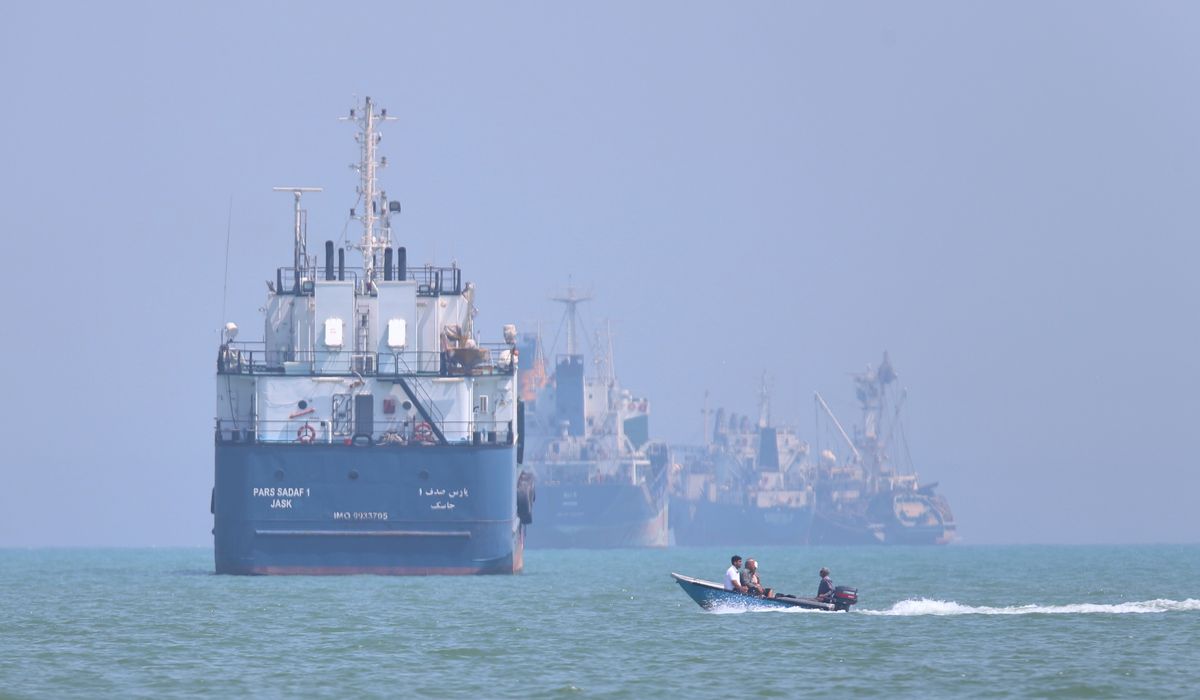
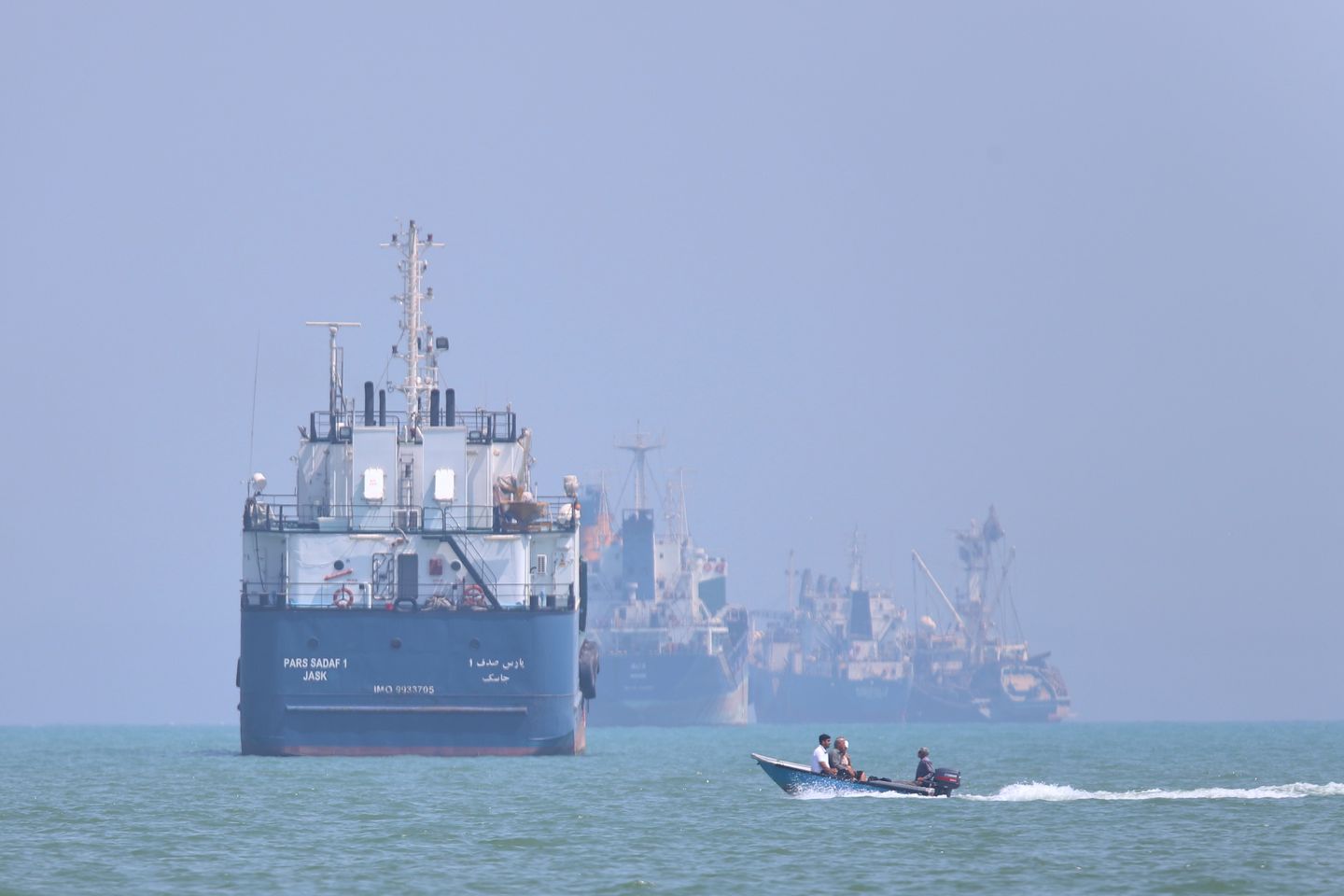
Mr. Trump said Thursday he was confident negotiators could finalize and sign a memorandum of understanding between the countries that would lift the U.S. blockade on Iranian ports and reopen the Strait of Hormuz.
He said the deal would include strong language that sets the table for limits on Iran’s nuclear program.
The U.S. was eyeing a possible signing in Geneva, Switzerland, on Sunday, according to Reuters.
SEE ALSO: Trump cancels strikes on Iran, predicts deal signing soon
Mr. Trump would not attend, as he is expected to watch an Ultimate Fighting Championship event at the White House on his 80th birthday.
The situation remained fluid, and there was global skepticism after several rounds of near-deals and violent flare-ups during the months-old conflict.
Israel continued to assault Iran-backed Hezbollah terrorists in Lebanon, an issue that has tripped up peace talks in the past.
Israel said it was not a party to direct U.S.-Iran negotiations, but it appreciated efforts to rein in Tehran’s nuclear program.
“As long as I am Prime Minister of Israel — Iran will not have nuclear weapons,” Israeli Prime Minister Benjamin Netanyahu said on X. “There is full agreement between me and President Trump on this issue.”
The U.S. and Israel launched a military operation against Iran on Feb. 28 to prevent it from gaining a nuclear weapon and to curtail its terror activities in the Middle East. Early strikes killed Iran’s top leaders, and Tehran retaliated by striking U.S. allies in the Gulf region and clamping down on maritime traffic in the Strait of Hormuz, causing global energy shocks.
The countries have been under a so-called ceasefire since April, but all sides have exchanged fire during a thorny peace process mediated by Qatar, Pakistan and other nations.