The Trump administration’s sweeping deregulatory push now extends to rolling back hunting and fishing restrictions on federal lands.
The Department of the Interior proposed new rules it said would remove “unnecessary” hunting-related restrictions across the National Wildlife Refuge System, which is the world’s largest network of public lands and waters dedicated specifically to wildlife conservation.
The proposal would make ove 95% of refuge lands available for hunting — about 92 million acres. In the contiguous U.S., about 10.8 million acres of the system are currently open to hunting.
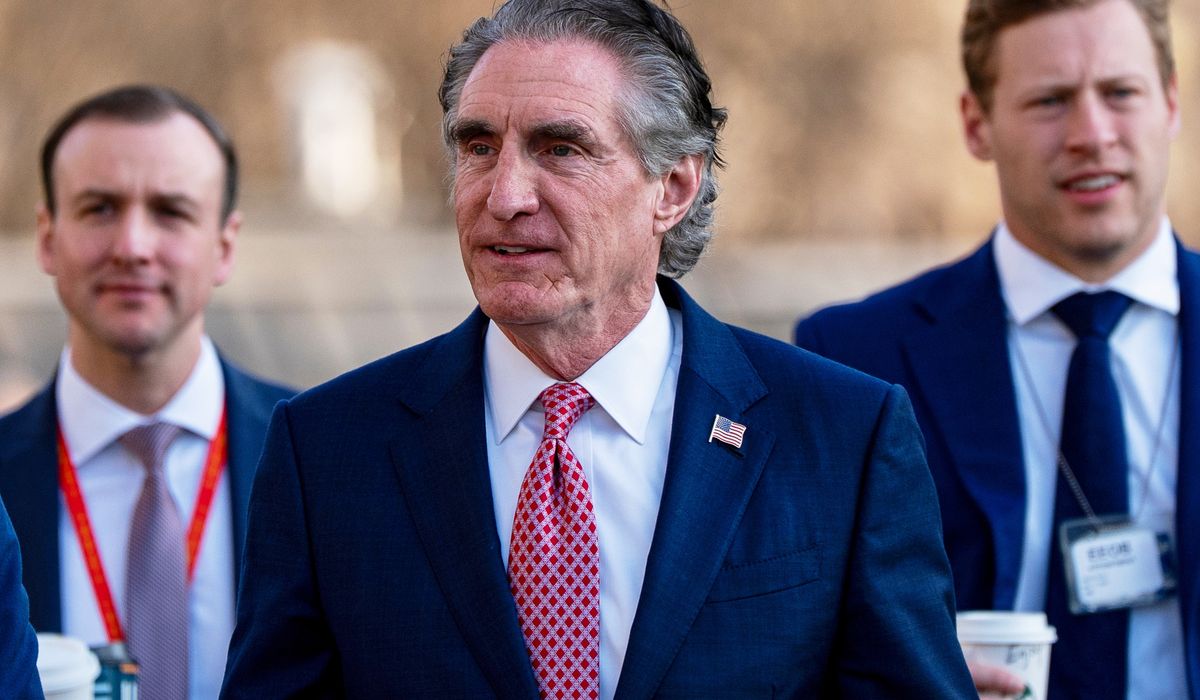
“America’s public lands belong to the American people, and they should be able to access them without unnecessary bureaucracy standing in the way,” Interior Secretary Doug Burgum said in a statement.
It would be the Fish and Wildlife Service’s largest expansion of hunting and sport fishing. The agency is seeking to open or expand over 1,450 opportunities for hunting and sport fishing across 32 states, including 107 national wildlife refuges and four national fish hatcheries. It would also open multiple refuges and hatcheries for the first time to hunting and sport fishing.
Three dozen out of the 76 National Park Service areas that allow hunting will also see expanded access, including Lake Mead in Nevada and Arizona, Big Cypress National Preserve in Florida and Big Horn Canyon National Recreation Area in Montana.
Other parks slated for more hunting are Cumberland Island in Georgia and Assateague Island in Maryland and Virginia. Cumberland’s white-tailed deer hunt and Assateague’s sika deer hunt have cult followings among hunters.
However, the vast expansion of hunting and fishing is expected to draw criticism about crowding, enforcement gaps and the disturbance of sensitive habitat.
A government environmental review highlighted risks, including wildlife displacement, noise disturbance and seasonal closures that push out other refuge users such as hikers and wildlife photographers. Those concerns are amplified by a staffing crisis: the Fish and Wildlife Service lost nearly 1,800 employees between 2024 and 2025, leaving fewer rangers to manage and enforce the expanded access.
Desirée Sorenson-Groves, president of the National Wildlife Refuge Association, called for the plan to be “carefully evaluated” to ensure it “supports both responsible public access and the wildlife conservation mission of the Refuge System.”
In the proposed rule, the Fish and Wildlife Service cited economic benefits for communities near the parks and wildlife refuges. Local economies would see an estimated $1.1 million annual boost, it said.
Hunters and anglers contribute more than $144 billion annually to the U.S. economy, the agency said.
To implement the expansion, the National Park Service said it is updating its park-specific rules, called a Superintendent’s Compendia, to ensure consistency with current policy, public safety needs and resource protection requirements. In doing so, the Interior Department hopes hunters and anglers can more easily comply with federal and state fish and wildlife laws.
Fish and Wildlife Service Director Brian Nesvik said his goal is to have all refuges and hatcheries open to hunting within two years.
“Hunting and fishing are traditional recreational activities that bring families and communities together,” he said. “We are pleased to continue to increase access for hunters and anglers while fulfilling our conservation mission, and we are committed to responsibly managing these areas for the benefit of future generations.”
Giving sportsmen access to refuges remains subject to the agency’s compatibility determinations and conservation requirements. Hunting is still only permitted in national park areas where authorized by law.
Senior Vice President Taylor Schmitz for the Congressional Sportsmen’s Foundation, which fights for access to public lands and waters, said the proposed expansion “further recognizes that hunting and fishing are critical to the health” of refuges.