Naval readiness is no longer a snapshot — it’s a live, constantly shifting condition, and closing the gap between what the fleet needs and what it gets is the challenge of the moment.
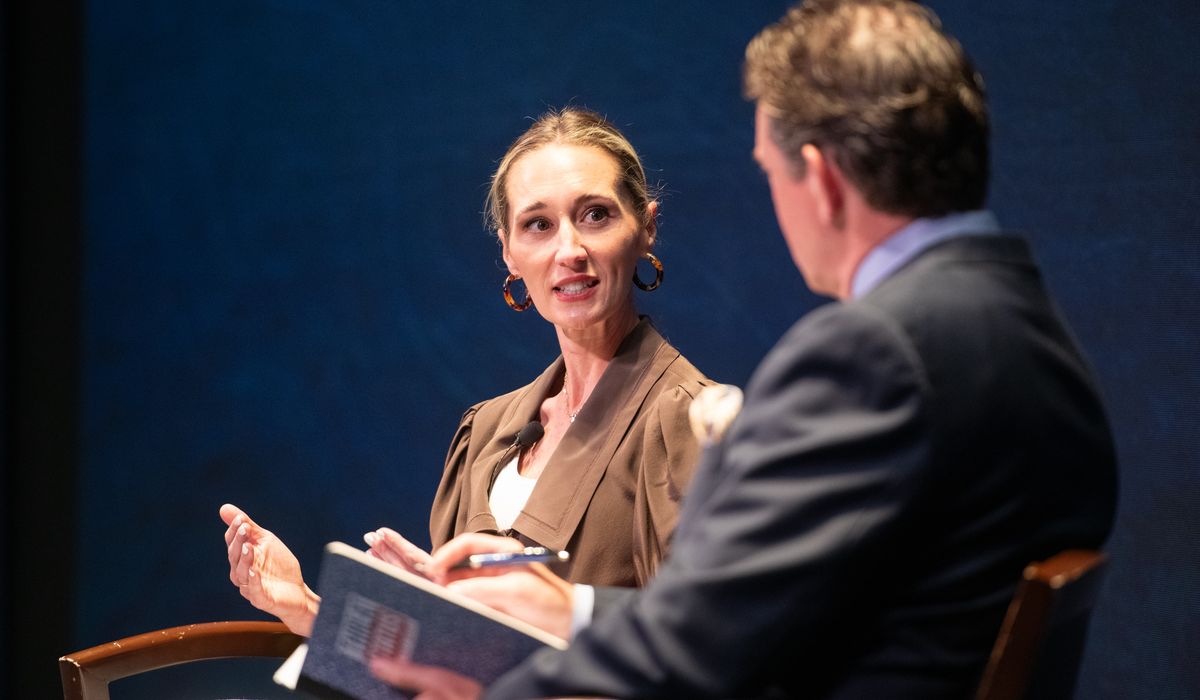
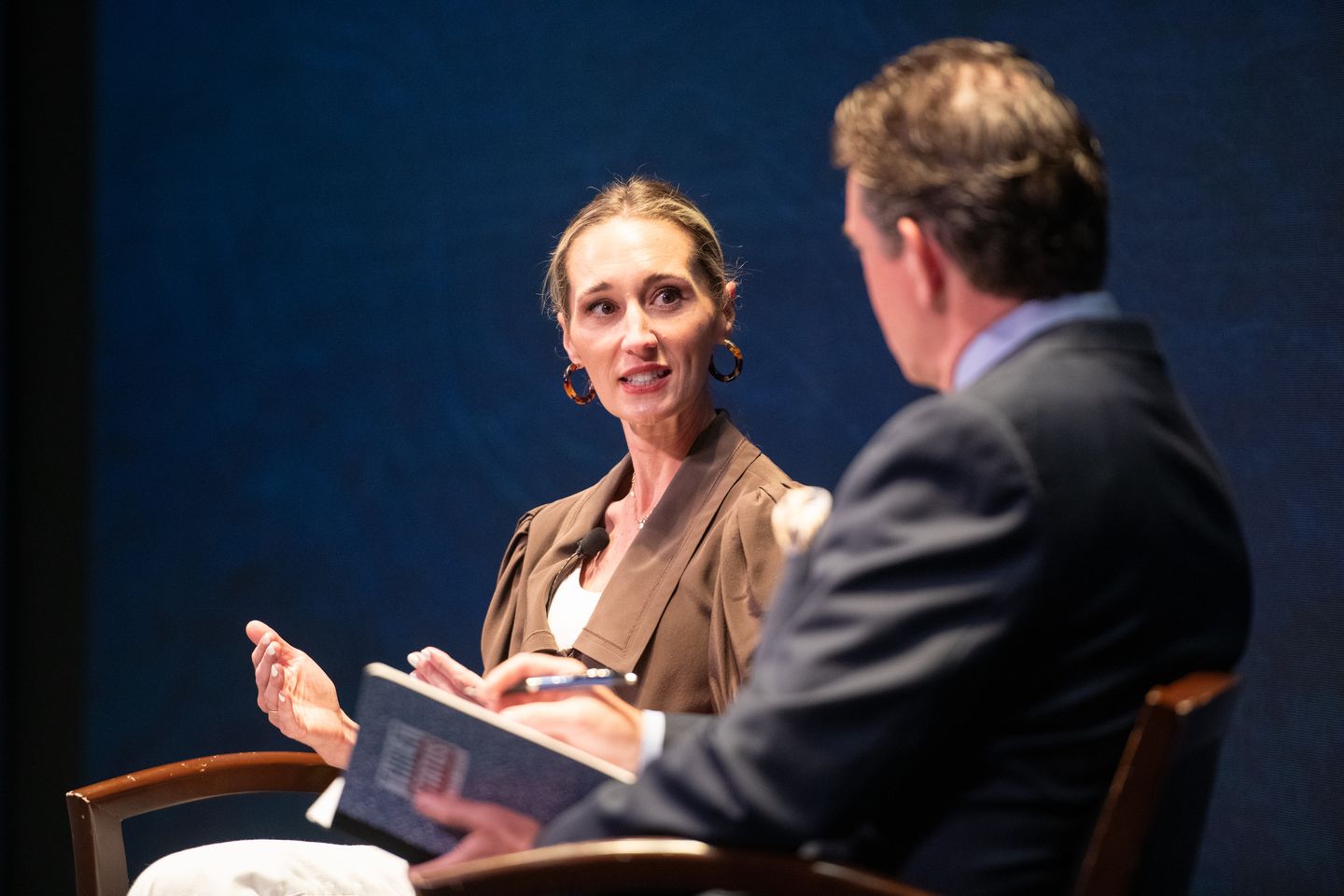
Air CEO Tara Murphy Dougherty joined Washington Times Threat Status Director Jason Sickels to break down how AI-driven platforms are already buying back hundreds of days of equipment downtime across the Navy, Army, and Air Force.
[SICKELS] We want to talk about preparedness, readiness, and what’s next for the Navy.
You have just unveiled your enterprise readiness platform, so congratulations. I think enterprise readiness is not something we are all familiar with. And technology, as we have seen today from some of the speakers, is changing the landscape. Help us understand a little bit more about enterprise readiness, please.
[DOUGHERTY] Absolutely. Thank you. And I’m absolutely delighted to be here and really happy to be given the slot that we’ve been given, Jason, because to hear Admiral Caudle say something that I think is so important and probably isn’t said enough, which is: we’re going to war with the fleet we have. And to hear Director Vought give an equally important message, which is we need a larger fleet, we need new ships, we need to produce. I think that dichotomy, the demand for both motions, is the marker of our national security age in the United States.
And it is part of the reason that readiness as a military and as a national security enterprise is both so important, but also so difficult today.
And so what we are doing at Air with enterprise readiness is we’re really trying to highlight a, I think, more accurate and perhaps a bit of a revolutionary view of what readiness is. You know, our world, the defense space, the national security enterprise has long thought about readiness as something that can be measured in a stoplight chart. It’s some metrics, it’s a point in time, it’s something that can be reported on. And yet, what readiness really means is that the front lines of the mission have what they need when they need it at the right speed.
What we have realized working at this problem for nearly a decade is that to be truly ready we need to achieve and attain and maintain a continuously held state, because the second you send that ship out from dock your readiness is going back down. This is a live condition, not a moment in time. And so today there is a gap between what the frontline needs and is getting and what the enterprise is delivering to them. And our mission at Air is to close that gap.
[SICKELS] So if you are somebody who is advising Admiral Caudle, who said we need to fight with the fleet that we have, can you give us some examples — maybe across the Navy, across the readiness spectrum, not just in the shipbuilding aspects, but the totality of the Navy and maybe into the DOD — give us some clear examples of some of the things that Air and Govini have done in the past and what that looks like today.
[DOUGHERTY] Yeah, absolutely. And I think Admiral Caudle has stellar advisors who are trying to highlight some of these wins. And one of the challenges that is in front of leadership today is how do you scale what is working? Because today in the Navy, there are pockets where the Air enterprise readiness platform is driving mission impact and real value and changing the state of things in readiness. But also driving unbelievable efficiency and productivity gains, which is just sort of a natural exhaust of using AI and technology in a way that I think should make us all very happy.
So specifically, one of the biggest use cases where we’re seeing a lot of success in the Navy is with the naval aviation community, and specifically across the fleet readiness centers. At the ground level, those teams have adopted this platform and are swapping out parts and being predictive about parts needs and maintenance failures and what is coming, in a way that draws down lead time and increases readiness.
That’s it. That is what right looks like in this domain, which is do not wait until you open that hole to figure out what you need and then be at the mercy of those many months, sometimes years, procurement lead times or manufacturing lead times. Let’s figure things out ahead of time.
Watch the video for the full conversation.