A group of House Republican rebels on Tuesday blocked their leadership from bringing bills to the floor, the second week in a row they have effectively shut down the chamber.
The blockade is a protest over stalled GOP priorities, such as the SAVE America Act and a sweeping border security package known as HR 2.
“We’re at a place where we have to continually ask for our leadership to fight,” said Rep. Eric Burlison, Missouri Republican. “I don’t see the fight in them.”
Mr. Burlison was one of 14 Republicans who voted against a procedural rule that would have teed up debate on multiple bills the House was scheduled to consider this week.
By blocking the rule, the GOP rebels are preventing the House from debating and voting on the annual defense authorization bill, the fiscal 2027 State Department appropriations bill, a bill to remove financial disincentives for disabled persons to work and a resolution commemorating the first anniversary of Republicans’ working families tax cut law.
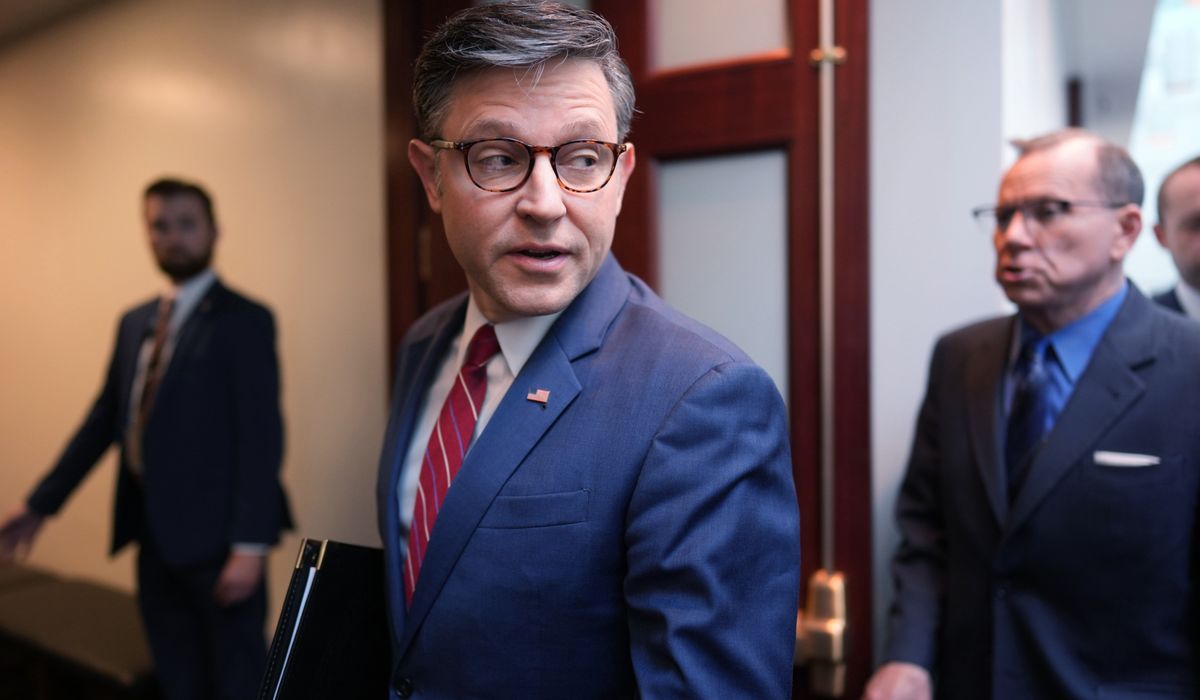
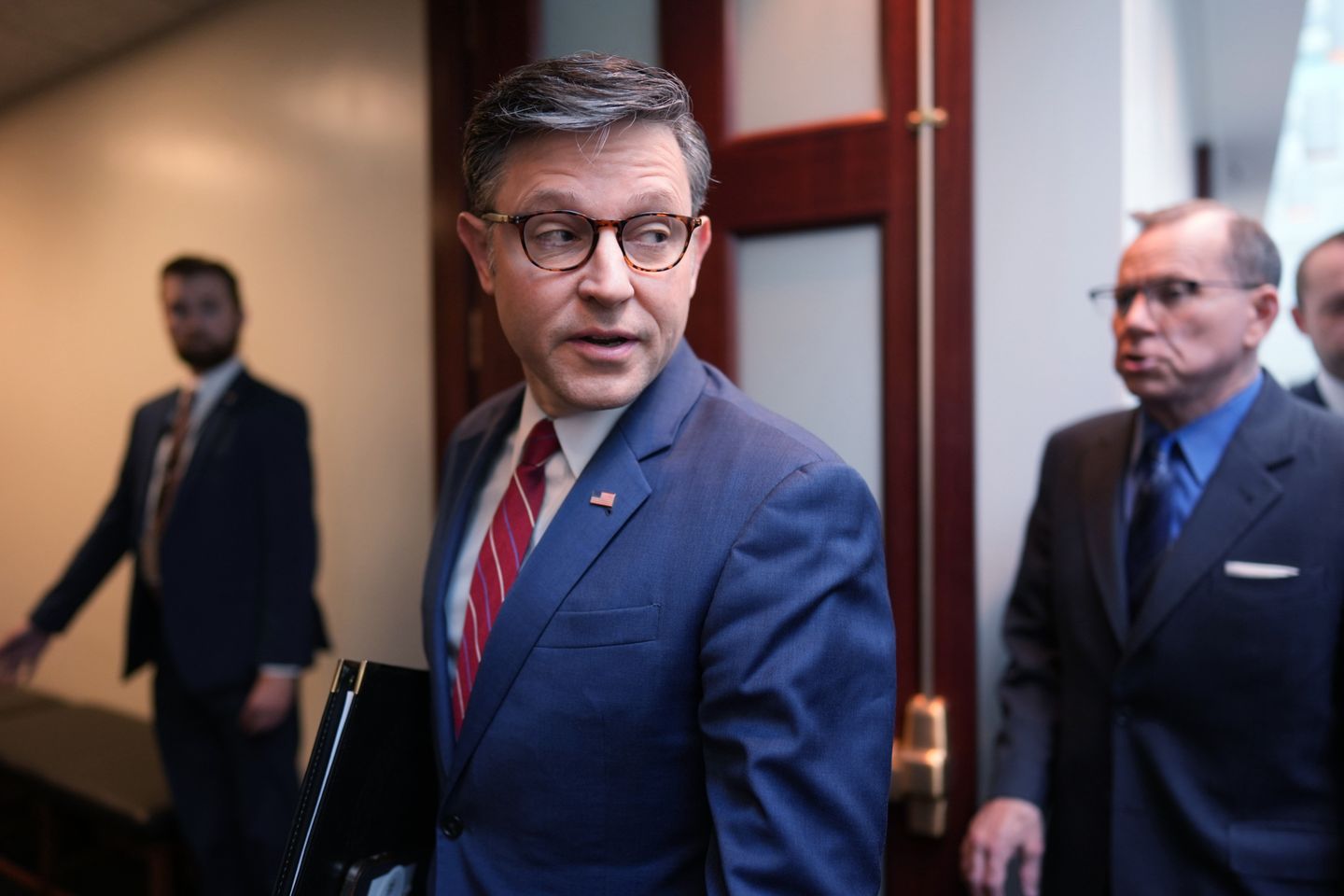
“This is life with a small margin, small majority, and we’ll work through it,” House Speaker Mike Johnson told reporters.
“We’re nearing an election. People get very emotional about things, and sometimes they make irrational decisions,” the Louisiana Republican said. “I don’t hold grudges against anybody. I just got to get all the team members back working in the same direction.”
The House was also unable to take up several bills last week amid a similar blockade. However, in that case, GOP leaders did not even attempt a vote on the rule because they knew they did not have enough votes to adopt it.
Mr. Johnson sent the House home a day early and then met with President Trump to strategize.
The president posted a missive on social media afterward urging House Republicans to “unify” and drop the blockade.
“Giving power to the Radical Left Dumocrats in the House to control what goes up for a Vote will make our outcomes worse, not better. No more grandstanding, please!” Mr. Trump said.
Most of the Republicans participating in the blockade are fighting for the enactment of the SAVE America Act, a bill requiring proof of citizenship to register to vote and a photo ID to cast a ballot.
The president has said repeatedly it is his number one legislative priority and has refused to sign other bills, such as a bipartisan housing package that cleared Congress last week, until the SAVE America Act reaches his desk.
The House has passed three variations of the bill that have stalled in the Senate, where Senate Democrats are filibustering the measure.
House GOP hardliners have been pushing their leadership to attach the SAVE America Act to a must-pass bill in an effort to force the Senate to act.
Rep. Anna Paulina, Florida Republican, offered an amendment to add it to the defense authorization bill. Instead of allowing a vote on that, GOP leaders opted for a different approach.
They drafted the rule to include a procedure that would automatically add the version of the SAVE America Act the House passed in February to the National Defense Authorization Act after it passes the House.
“That will be merged onto the NDAA and transmitted to the Senate as one bill. That’s the most efficient, effective way to do it,” Mr. Johnson said.
“There’s no need to add an amendment to the NDAA,” he said. “Let’s just have the full bill that’s still sitting there and has been transmitted to the Senate. Let’s send it again but put it as part of something that we hope and believe will be a bipartisan vote in both chambers.”
Ms. Luna, who is leading the floor blockade, called the move “a procedural head fake.”
“This does not do anything but guarantee the Senate will EASILY TAKE OUT SAVE America from the NDAA,” she said.
The Senate is not planning to take up the House version of the NDAA either way.
Before the Senate left for recess last week, Senate Majority Leader John Thune filed cloture on the Senate version of the NDAA, so that the chamber can debate it when it returns the week of July 13.
The House and Senate typically pass separate versions of the NDAA and then form a bicameral conference committee to resolve differences. If the House included the SAVE America Act in its version, it is unlikely to survive the conference process.
Mr. Johnson said the onus at this point is on the Senate to do the right thing.
“I would pass the SAVE America Act every day in the House if I thought it would do any good,” he said.
Another reason some Republicans voted against the rule was that GOP leaders did not follow through on promises they made to Rep. Chip Roy and other House Freedom Caucus members to bring the HR 2 border security package for a vote before the July 4 recess.
The measure, which codifies many of the executive orders Mr. Trump has used during his first and second terms to stem illegal border crossings, passed the House last Congress but stalled in the Senate. It has not been brought up for a vote this session.
“They haven’t even tried to bring HR 2 to the floor for a vote, which was a leadership promise,” Mr. Burlison said. “And at some point you just have to send a message.”