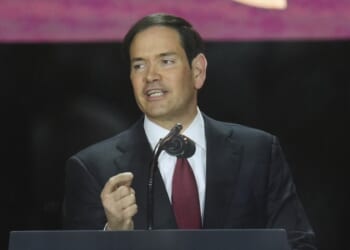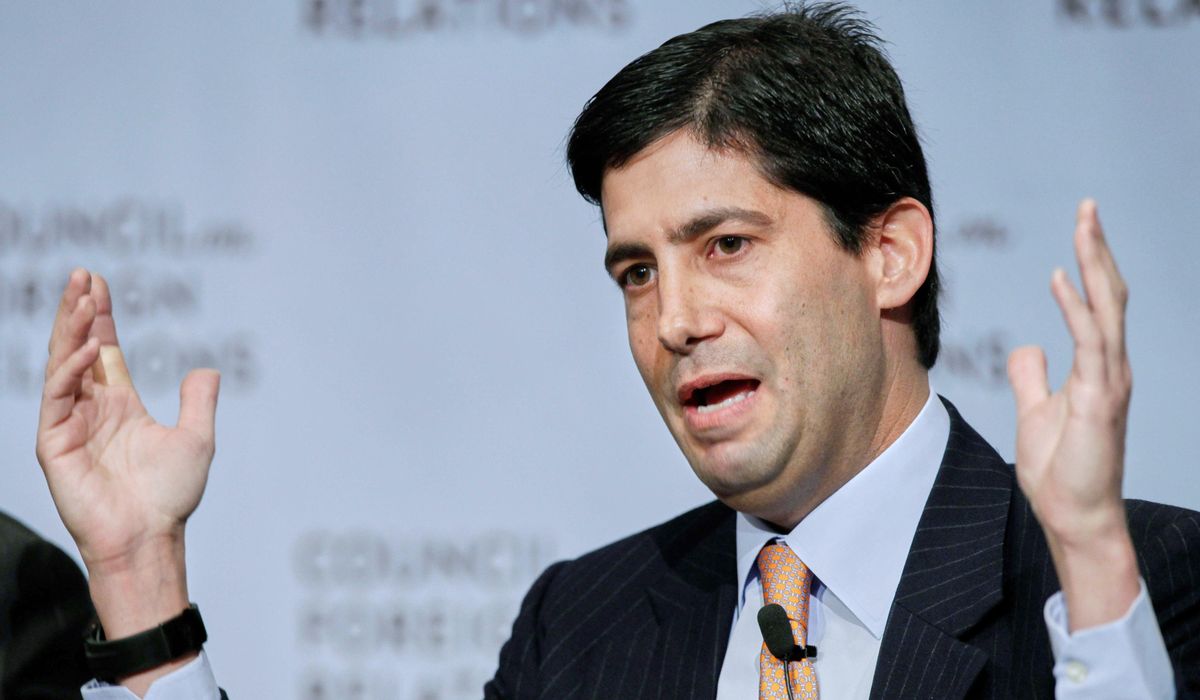
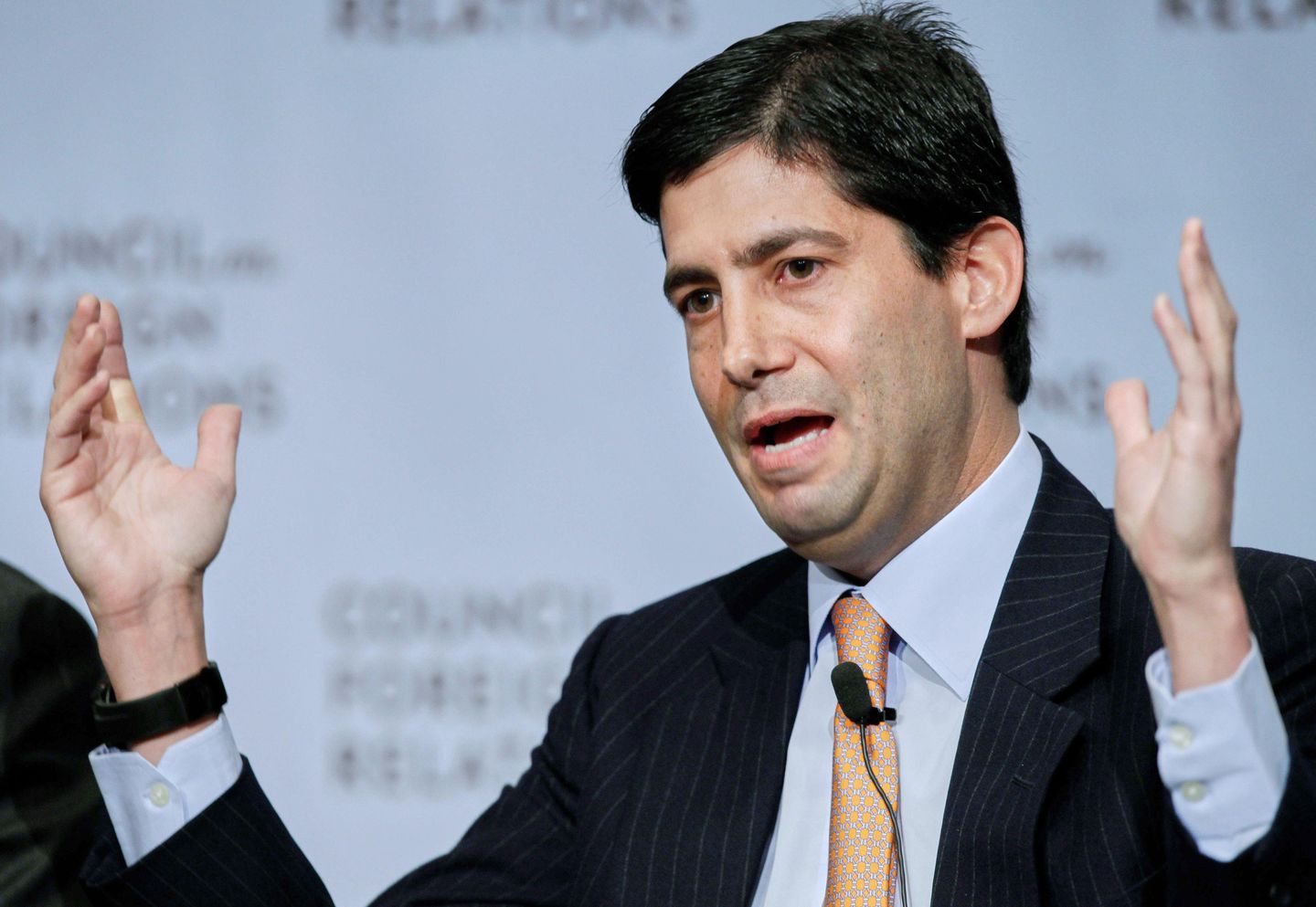
Kevin Warsh, President Trump’s nominee to chair the Federal Reserve, told lawmakers Tuesday that he’s never promised the president to cut interest rates if confirmed, adding that the central bank must be “strictly independent” when setting monetary policy.
Mr. Warsh’s pledge not to cave to political pressure comes after Mr. Trump’s browbeating of current Fed Chairman Jerome Powell for not slashing interest rates at a faster pace. Mr. Powell has maintained that interest rates and other decisions should be based on economic data, not coercion from elected officials.
Just hours before Mr. Warsh’s confirmation hearing before the Senate Banking Committee, Mr. Trump told CNBC that he would be disappointed if his Fed choice did not immediately cut interest rates.
“The president never once asked me to commit to any particular interest rate decision, and nor would I agree to it if he had. I will be an independent actor if confirmed as chair of the Federal Reserve,” Mr. Warsh told the committee.
Fed independence has grown more pressing in recent weeks. The Iran war has pushed U.S. energy higher, elevating inflation to its fastest pace in almost two years. Inflation remains elevated at 3.3% annually.
When inflation rises, the Fed typically raises rates or keeps them steady to slow down the economy. When inflation begins to cool, the Fed typically lowers rates to encourage spending. Interest rates affect mortgages, auto loans and credit card purchases.
Interest rates currently stand at 3.6%, a slight decrease from last year, but much higher than the 1% that Mr. Trump has demanded.
Democrats say Fed independence is under siege because of Mr. Trump’s repeated calls for lower interest rates and criticism of Mr. Powell, whom he’s nicknamed “too late.”
Sen. Elizabeth Warren, Massachusetts Democrat and the committee’s ranking member, said Mr. Warsh will be a “sock puppet” for the president, undermining the Fed’s ability to independently make monetary decisions.
“Having a sock puppet in charge of the Fed would also give the president access to the Fed’s powerful authorities to enrich himself, his family and his Wall Street buddies,” she said. “A Fed under Donald Trump’s control creates more opportunities for Trump’s corruption.”
When asked if he would be the president’s sock puppet, Mr. Walsh responded, “absolutely not,” vowing to be an “independent actor” leading the U.S. central bank.
Mr. Warsh is not expected to immediately advance out of the Senate committee because Sen. Thom Tillis, North Carolina Republican, said he plans to block the nomination until the U.S. attorney in Washington drops a criminal probe into Mr. Powell tied to the multibillion-dollar renovation of the Fed’s D.C. headquarters.
A Republican defection would be enough to derail Mr. Warsh’s nomination. For him to advance, he must earn a majority of votes on the committee, which is composed of 13 Republicans and 11 Democrats.
If Mr. Tillis votes against the nominee, the panel would be evenly split at 12-12, and Mr. Warsh’s nomination would fail.
“If anybody thinks a president can appoint somebody and you unilaterally can control things, you’re going to be an unsuccessful chair, if history is any guide,” Mr. Tillis said during Mr. Warsh’s hearing. “And you’ve served under some of the best, so I know you’re going to do it right.”
The senator added, “Let’s get rid of this investigation so I can support your confirmation.”
Mr. Trump has said he’s not interested in having the Justice Department ditch the probe into the Fed renovations, saying it’s important to find out about the cost overruns stemming from the $2.5 billion project.
Failure to advance out of the committee would complicate what is expected to be a turbulent transition. Mr. Powell’s term as chair ends May 15, but he has offered to remain in the position until a successor is found. He’s also serving a separate term as a member of the Fed’s governing board that lasts until January 2028.
Typically, Fed chairs step down entirely from the board when their term as head of the Fed ends, but Mr. Powell has pledged to remain on the board, even if a new chair is approved, until the investigation is dropped.
If Mr. Powell tries to remain at the Fed, Mr. Trump said he would fire him. However, the president’s previous attempt to remove Fed Governor Lisa Cook has been meandering through the courts the past year. The Supreme Court heard oral arguments on the issue in January.
During his 2½-hour hearing, Mr. Warsh steered clear of the Powell investigation and Mr. Trump’s attacks on the Fed.
Instead, Mr. Warsh reiterated that he would not lower interest rates solely because the president demanded it.
He emphasized that pressure from lawmakers threatens the Fed’s independence, noting that previous presidents have also called for lower rates.
“I don’t believe the independence of monetary policy is threatened when elected officials state their views on rates,” Mr. Warsh told the committee. “Fed independence is up to the Fed.”
Democrats on the committee also pressed Mr. Warsh to disclose the $100 million in assets in private funds listed on his financial disclosure that he has avoided making public, citing confidentiality agreements.
When Ms. Warren asked Mr. Warsh if the funds had any connection to Mr. Trump, the Trump family business, Chinese-controlled entities or deceased sex offender Jeffrey Epstein, he declined to answer, just saying that he would divest from the funds if confirmed. He said he is working with the Office of Government Ethics to divest the assets.
Mr. Warsh is a former Morgan Stanley banker and currently an economist at the Hoover Institution, a public-policy think tank at Sanford University. He served as a Fed governor during the 2008 financial crisis, when he acted as a liaison between the central bank and Wall Street.
He was nominated in late January to be the Fed chairman.