When it comes to the most dangerous animals in the world, certain creations of God will inevitably be brought up.
From snakes to sharks to lions, if it’s got sharp teeth, deadly venom, long talons, or a legendary horror film about it, they’ll probably get listed.
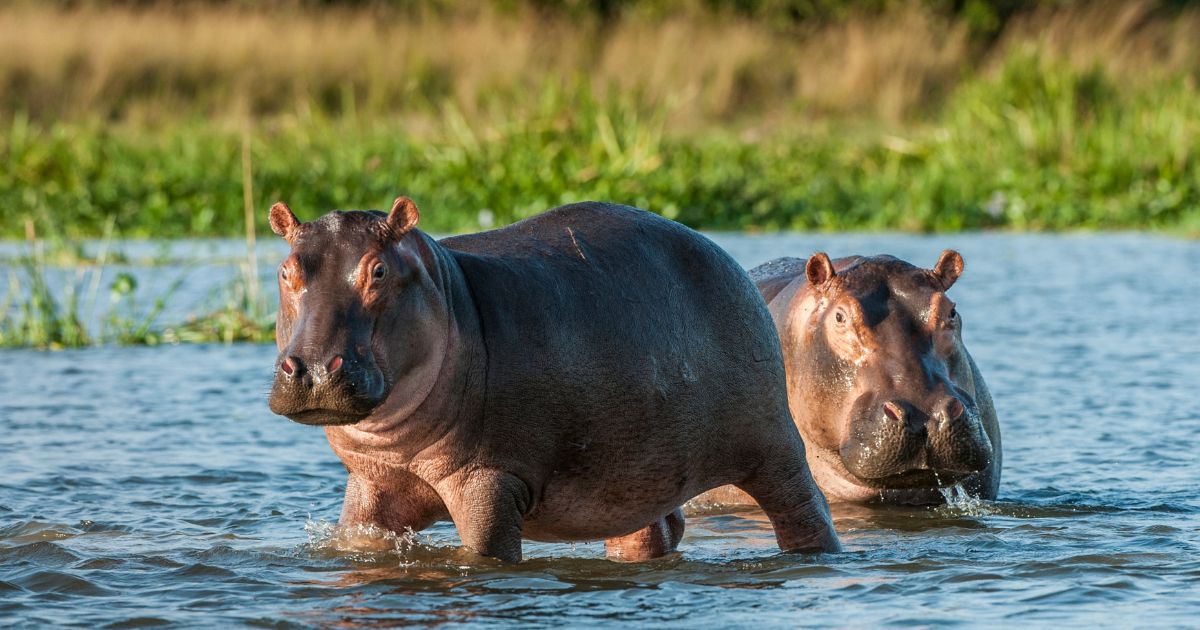
One animal that deserves to be up there but is often not mentioned? Cute and cuddly hippopotamuses.
As BBC Wildlife points out, hippos kill 500 people a year in Africa — making them far more deadly than some of the more expected “dangerous animals” to grace that list.
And that’s when hippos aren’t already hopped up on nose candy.
No, this isn’t some sequel pitch for the 2023 cult classic film “Cocaine Bear,” but rather a very real problem that the country of Colombia is currently dealing with, according to the New York Post.
On Monday, Colombian officials effectively threw their hands up when it came to the country’s hippo problem, and authorized a plan to cull dozens of them.
After multiple, expensive attempts to quell the invasive hippopotamuses encroaching on the South American country’s ecosystem — such as a project to mass neuter them — Colombians have now opted for the simplest method of crowd control.
Notably, these hippos have become something of a tourist attraction. They’re derisively nicknamed “cocaine hippos” due to the fact that they were brought into the country by notorious drug lord Pablo Escobar.
CBS News reported that Escobar brought four hippos into Colombia for his private zoo. According to recent studies, that original four has multiplied to roughly 170 — with some estimates saying the population has reached 200 — after government officials confiscated them.
Those hippos have only spread out more since then, with some being spotted as many as 60 miles north of where they had originally been kept.
“If we don’t do this we will not be able to control the population,” Environment Minister Irene Vélez said. “We have to take this action to preserve our ecosystems.”
The New York Post further reported, “Environmental authorities have warned that the hippos pose a threat to villagers in farms and rivers, and that they have acted as an invasive species — competing for food and space alongside other animals such as river manatees.”
The current culling project has an estimated budget of $1.98 million. That’s roughly half of the $3.5 million price tag associated with sending the hippos out of the country.
One thing that the Colombians cannot do, however, is send these hippos back to their native Africa.
Due to their limited gene pool (having all descended from Escobar’s four original hippos) and potential to carry diseases, it’s been described as “unfeasible” to send the Colombian hippos back to their continent of origin.

Advertise with The Western Journal and reach millions of highly engaged readers, while supporting our work. Advertise Today.