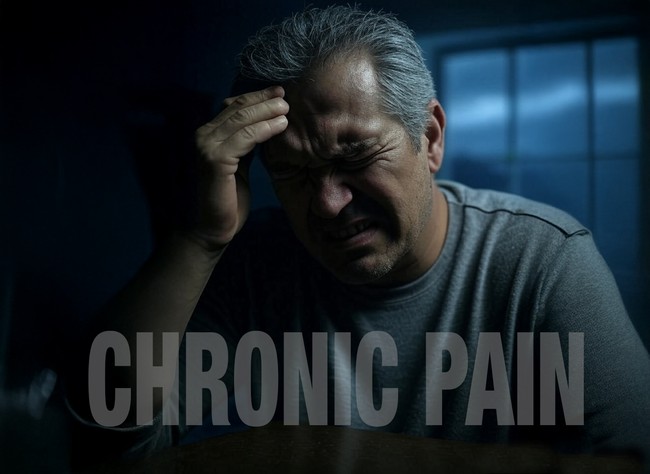
Chronic pain teaches patients to live by a calendar no healthy body would choose: appointment dates, refill dates, insurance deadlines, pharmacy calls, portal messages, urine screens, and prior authorizations.
Days spent wondering whether a doctor will listen, whether a pharmacist will hesitate, and whether one small misunderstanding will turn a hard month into something worse.
For people living outside chronic pain, a monthly appointment may sound like routine medical oversight. For the patient, it feels like probation without a crime. Somebody with severe back pain, damaged joints, nerve pain, failed surgeries, autoimmune disease, or arthritis may spend days preparing for ten minutes in an exam room.
Patients rehearse what to say; they worry about sounding too desperate, or they worry about not sounding desperate enough. One wrong phrase can land badly, even when the patient only wants to tell the truth.
Pain changes the way people speak. A healthy man says, “I’m having a rough day.” A chronic pain patient learns to rank agony on a scale from one to ten, as if a human spine were a customer-service survey.
Patients learn to describe burning, stabbing, throbbing, radiating, crushing, and electric pain while trying not to sound dramatic. They learn to say, “I can function,” when they really mean, “I can still shower, drive, cook, work a little, and pretend in public for a few more hours.”
The CDC’s 2022 opioid prescribing guideline tells clinicians to use patient-centered decisions, communicate clearly, and avoid treating guidance like rigid law. Doctors should look at the patient in front of them, not just a number on a chart or the fear hanging over the prescription pad. Many chronic pain patients still walk into appointments feeling as if suspicion entered the room before they did.
Families learn the language, too. They hear the careful voice before an appointment, they watch the quiet calculation before a trip to the store, and they know when the smile at dinner costs more than anyone else can see.
A significant other becomes a witness, driver, advocate, nurse, pharmacist, and emotional shock absorber. Children learn when mom or dad can’t sit through a game, stand through a concert, or make it to church. Chronic pain starts in one body, but the whole house feels it.
Family caregiving now touches a staggering number of American homes. AARP and the National Alliance for Caregiving reported in 2025 that 63 million Americans provide care to another adult or child. Chronic pain adds its own burden because it often lasts for years, resists easy treatment, and forces families to rearrange normal life around limits other people may never see.
Caregivers rarely receive a discharge packet explaining how to live beside someone else’s pain. They learn by watching when to offer help and when help sounds like pity. Caregivers learn when silence shows kindness, how quickly sympathy can turn into exhaustion, and then guilt over feeling exhausted.
Pain can make good people short-tempered, withdrawn, anxious, and ashamed. Families absorb those changes while trying not to resent someone who never asked to become sick.
Patients need practical help before appointments, not suspicion afterward. They should be encouraged to bring written notes, list changes since the last visit, explain function instead of only pain scores, and honestly describe medication benefits.
A useful appointment should answer plain questions; can the patient sleep, walk, work, cook, drive, sit, stand, and care for family? Has treatment improved daily life in measurable ways? Are side effects manageable? Are fears being openly discussed?
The American Medical Association’s 2026 pain-care module stresses a team-based approach and says patient-centered opioid tapering should focus on the patient’s experience and priorities, not merely dose reduction.
Doctors require protection from reckless prescribing, but patients need protection from reckless abandonment. Both concerns stand together without apology.
Pain patients know the difference between caution and coldness: caution uses judgment, while coldness treats suffering like an inconvenience.
A lifelong condition shouldn’t feel like monthly probation. Chronic pain patients don’t need a red carpet, another lecture about stretching, or a cheerful handout from someone who hasn’t slept through the night in years. They need doctors who listen, insurers that don’t turn care into paperwork combat, and families who are recognized as part of the story.
Pain may begin in one body, but mercy, patience, and common sense have to come from every direction around it.
Chronic pain patients don’t only fight their own bodies. They fight appointment anxiety, pharmacy suspicion, insurance friction, and the quiet guilt of watching their families carry part of the load. PJ Media VIP keeps stories like these alive, and right now, you can get 60% off with promo code FIGHT.