“I was wrong” is one of the rarest sentences in American public life. Standard practice is to double down, spin, or wait for the news cycle to move on.
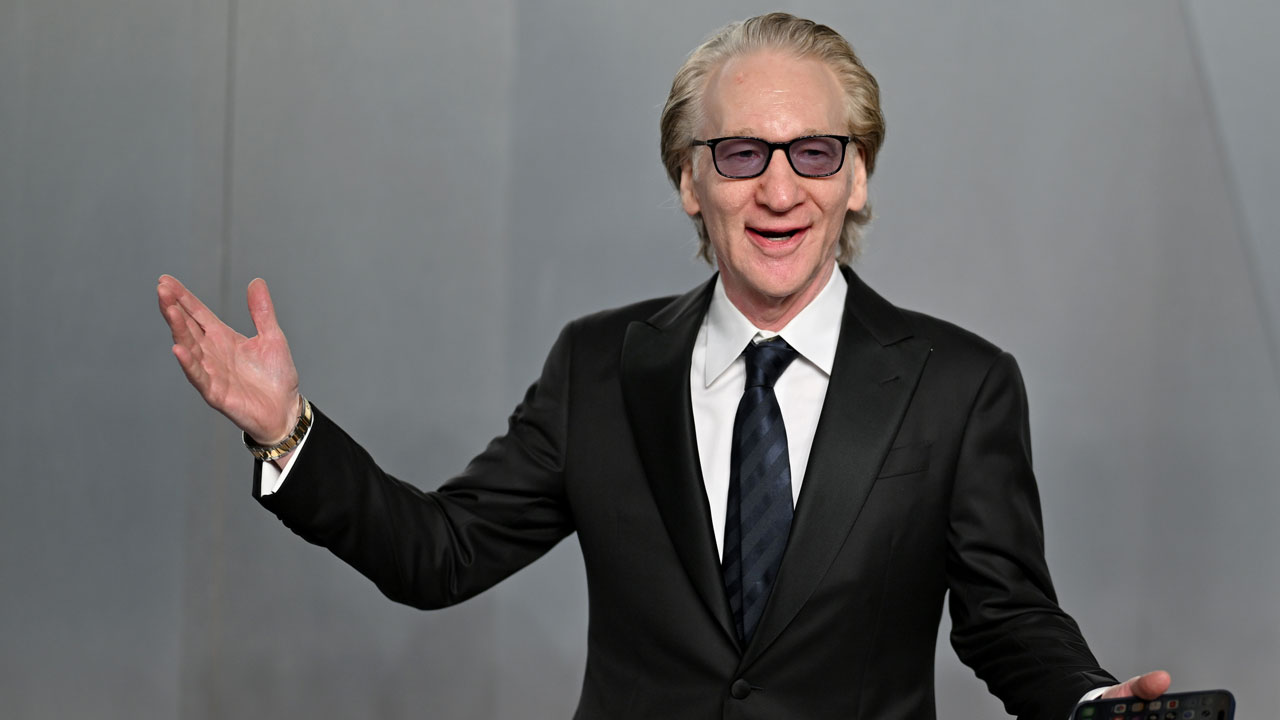
So it’s worth noticing when Bill Maher said it anyway, on his own show, to his own audience, about a claim he’d made about President Donald Trump.
On a recent episode of “Real Time,” Maher walked back something he’d said the week before: that Trump was “winning almost none” of his primary endorsements.
Trump, unwilling to let the line go unanswered, texted Maher directly.
Maher checked the numbers. He found he’d spoken wrongly. The actual record, Maher said, was just nine of the 260 candidates Trump endorsed this cycle have lost—a 97 percent win rate. Instead of quietly letting this falsehood slide, Maher acknowledged this on the air: “I did overstate it. That wasn’t true. Overstated. There, was that so hard, to not be a d— about everything?”
He’s right. It shouldn’t be such an act of courage—correcting the record when proven wrong should be standard for anyone with a microphone. But in 2026, an established media figure saying “I was wrong” about a claim involving Trump, without a lawsuit, a legal settlement, or a network’s PR department wrath, is exceedingly rare. Most people in Maher’s position would bury the correction in a mumbled aside, or not correct it at all. He didn’t.
This is the same instinct that’s made Maher difficult to pigeonhole for thirty years, verbally punching both Democrats and Republicans alike. I experienced that when I was a guest on his program years ago.
Yet when the facts didn’t back him up, Maher didn’t protect his side of the argument. He fixed it. That combination—willing to hit hard, and just as willing to correct himself—is what intellectual honesty looks like.
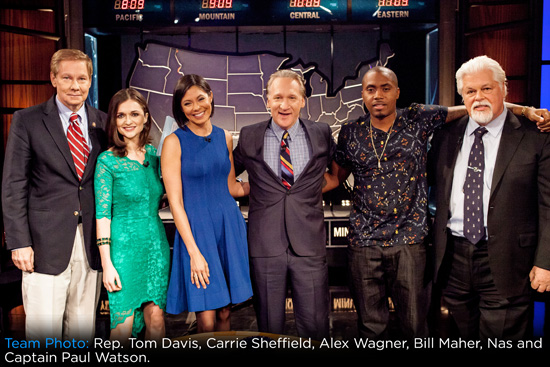
It’s fitting that Maher picked up the Mark Twain Prize for American Humor at the Kennedy Center this summer. Twain’s whole career said the truth is funnier, and more useful, than comfortable lies. Maher spent his career making the same case, often to the fury of people on every side of the aisle. Maher earned his trophy.
I interviewed Sen. John Fetterman, D-Pa., who came to support Maher, during the red carpet interview line the night of the Mark Twain award ceremony. Fetterman said he was disappointed that fewer than a third of Democrats in national polling said they were proud to be American.
“That’s crazy,” Fetterman told me. “I’m insanely proud to be American, and of America. It’s the best country on the globe, history–you know, without a doubt. If Democrats continue to become more anti-patriotic, then now you’re putting up these terrible candidates that are full-on anti-American.”
Fetterman’s cut from Maher’s cloth. He’s a Democrat willing to break with his own party’s consensus in public, take heat for it from his own side, and say plainly when he thinks his party turns wrong.
Fetterman described himself as “an independent voice in the Democratic Party” who isn’t “going to be afraid of people,” wrote that “my party cannot simply be the opposite of whatever President Donald Trump says.”
Fetterman made a surprise video appearance at the Republican National Midterm Convention on Thursday. Calling himself a “common sense Democrat,” he praised Republican colleague Sen. Dave McCormick, R-Pa., and vowed to work with the president.
Democrats spend enormous resources trying to win back independents and disaffected moderates. Focus groups, expensive messaging consultants, fake rebrand after rebrand. But voters are smart—they can tell the difference between a party that talks about independence and people who actually practice it.
Maher and Fetterman both are more convincing to skeptical, non-tribal voters in five minutes than a hundred coordinated talking points, precisely because they’re willing to say the inconvenient thing about their own side.
If the Left wants to rebuild trust with voters it’s lost, it could do worse than study what Maher and Fetterman actually do: say what you believe, correct yourself when facts say otherwise, and stop treating party loyalty as a substitute for honesty. It’s not a complicated formula. It’s just a rare one.
We publish a variety of perspectives. Nothing written here is to be construed as representing the views of the Daily Signal.