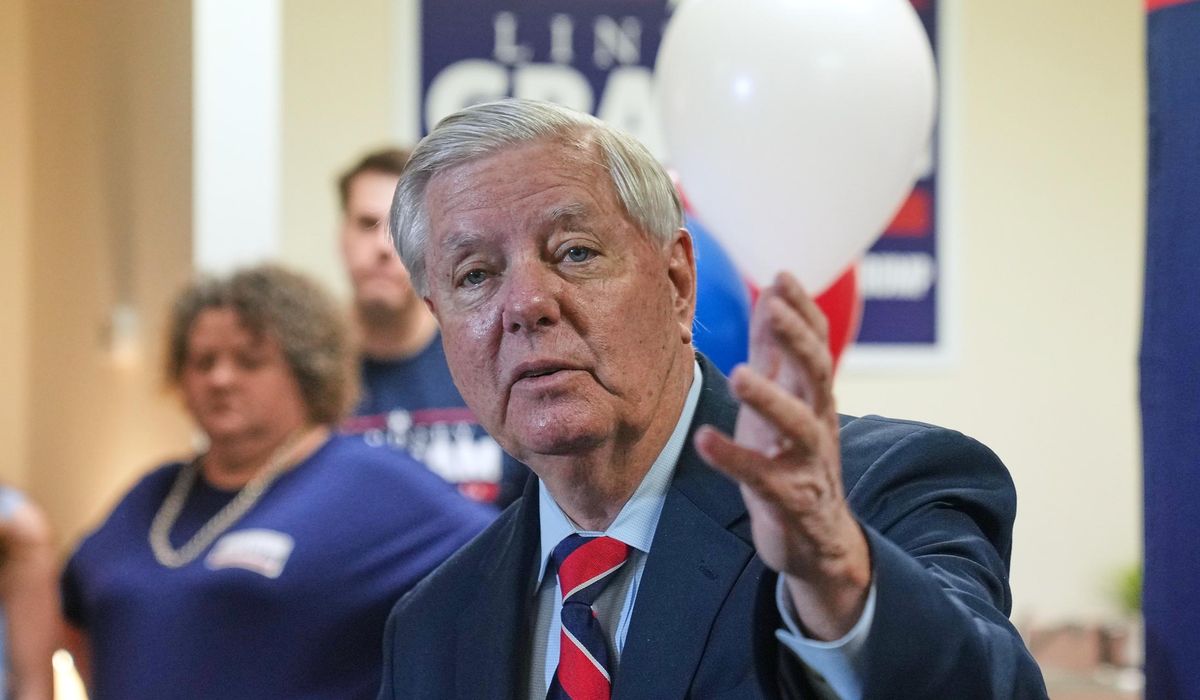
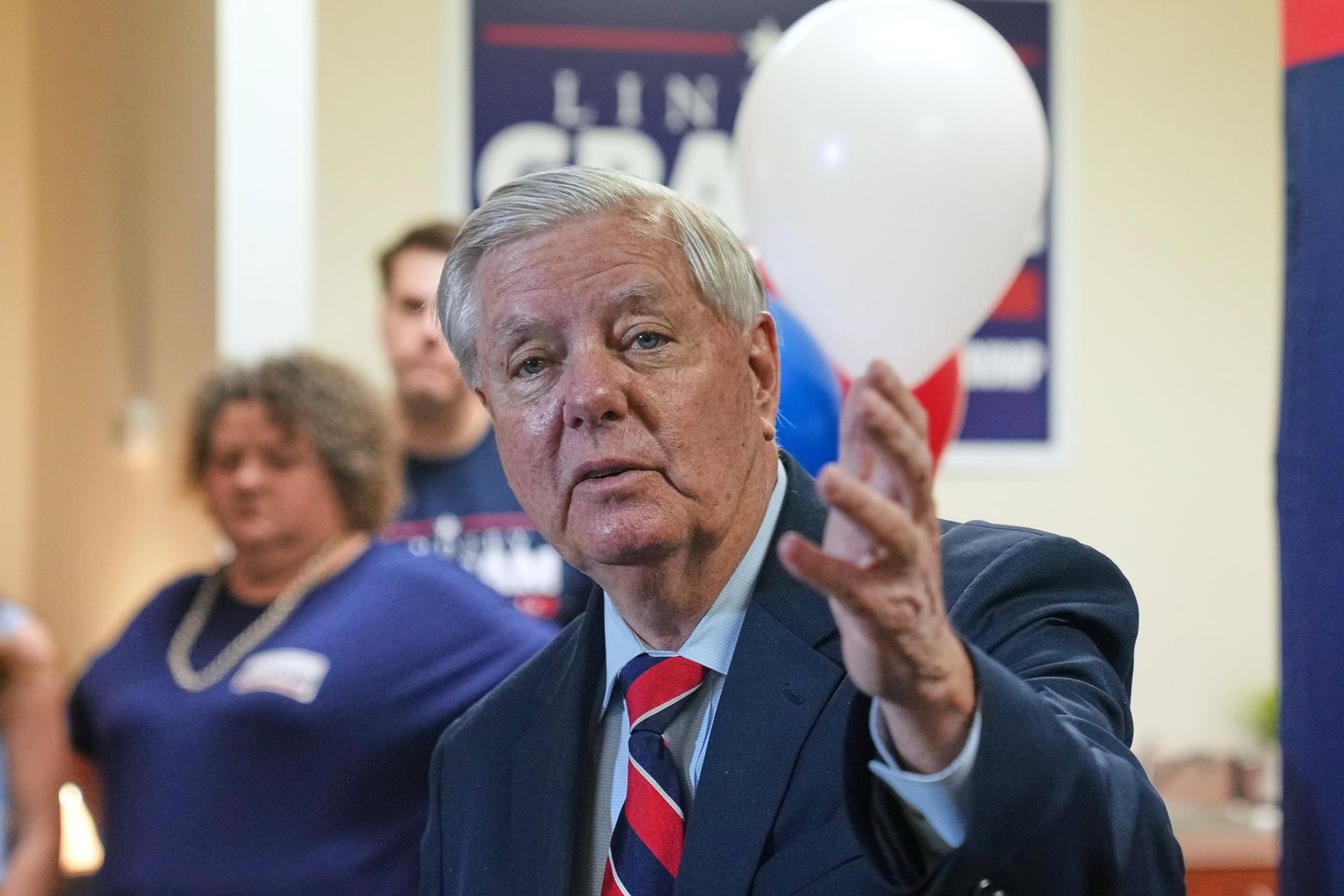
Sen. Lindsey Graham on Tuesday cast grave doubts on Pakistan’s ability to mediate a lasting peace between the U.S. and Iran.
Mr. Graham, a longtime national security hawk, pointed to reports that Pakistan allowed Tehran to park some aircraft on Pakistani territory to insulate the equipment from U.S. strikes.
Pentagon officials were reluctant to comment on the reports, given the sensitivity of talks and Pakistan’s role, though Mr. Graham had no such qualms.
“I don’t trust Pakistan as far as I can throw ’em,” Mr. Graham, South Carolina Republican, said at a hearing of the Senate Appropriations subcommittee on defense. “If they actually do have Iranian aircraft parked in Pakistan bases to protect Iranian military assets, that tells me maybe we should be looking for somebody else to mediate.”
Pakistani officials have insisted they are neutral and impartial mediators. They called reports about shielding Iranian aircraft “entirely baseless,” saying the aircraft arrived during a ceasefire period, not amid active hostilities.
Mr. Graham has encouraged Mr. Trump’s military action against Iran. He praised the administration for strikes that degraded Iran’s military and missile program, saying Obama-era efforts failed to rein in the Islamic regime.
His latest comments put a sharp focus on doubts about Pakistan’s role as a mediator, doubts that have also been raised by lawmakers on both sides of the aisle.
Pakistan positioned itself as the main intermediary between the parties and saw early success with the April ceasefire. But so far, Vice President J.D. Vance’s visit to Islamabad and other talks have not resulted in a lasting peace.
“No wonder this damn thing is going nowhere,” Mr. Graham said of his suspicions around Pakistan.
Defense Secretary Pete Hegseth and Pentagon officials are making the rounds on Capitol Hill to update Congress on Iran and promote Mr. Trump’s $1.5 trillion budget request for defense.
During testimony to House lawmakers, Pentagon comptroller Jules Hurst testified the cost of the Iran war rose to $29 billion — up from the $25 billion estimate provided two weeks ago — because of “updated repair and replacement of equipment” and “just general operational costs.”
Mr. Trump on Monday said a ceasefire with Iran is on “life support” after he rejected Tehran’s latest proposal for winding down the conflict.
Pentagon officials promoted Mr. Trump’s goal — prohibiting Iran from obtaining a nuclear weapon — and said the military remains nimble.
“We have a plan to escalate, if necessary. We have a plan to retrograde if necessary. We have a plan to shift assets,” Mr. Hegseth testified Tuesday. “Certainly in this setting, we wouldn’t reveal what the next steps may be, considering the gravity of the mission that the president is undertaking to ensure that Iran never has a nuclear bomb.”