The parent company of 801 Chophouse, a high-end steakhouse chain known for Wagyu beef and entrees priced well into the triple digits, has filed for Chapter 11 bankruptcy protection — though the individual restaurants remain open and are not part of the filing.
801 Restaurant Group LLC filed its petition April 10 in the U.S. Bankruptcy Court in Kansas, listing liabilities totaling roughly $18.7 million. The Overland Park, Kansas-based company plans to continue operating while restructuring its debts.
Critically, the group stated that “the companies that own and operate the restaurants are not in bankruptcy and there are no plans or need for them to file bankruptcy,” adding that “the individual restaurant companies operating successfully are not impacted by the 801 Restaurant Group’s Chapter 11 filing.”
The group owns eight restaurants under the 801 Chophouse and 801 Fish brands, having opened its first 801 Chophouse in 1993 in Des Moines, Iowa, and since expanded to Denver; Leawood, Kansas; Kansas City; Minneapolis; Omaha; and St. Louis. A newer Minneapolis concept, 801 on Nicollet, closed before the filing became public, and the company has also closed its 801 Fish location in Denver.
The filing did not say exactly what led to its financial challenges, and the company had not immediately responded to a request for comment. Industry analysts point to a broader set of pressures on the upscale dining sector, including historically high beef costs and shifting consumer habits driven by inflation.
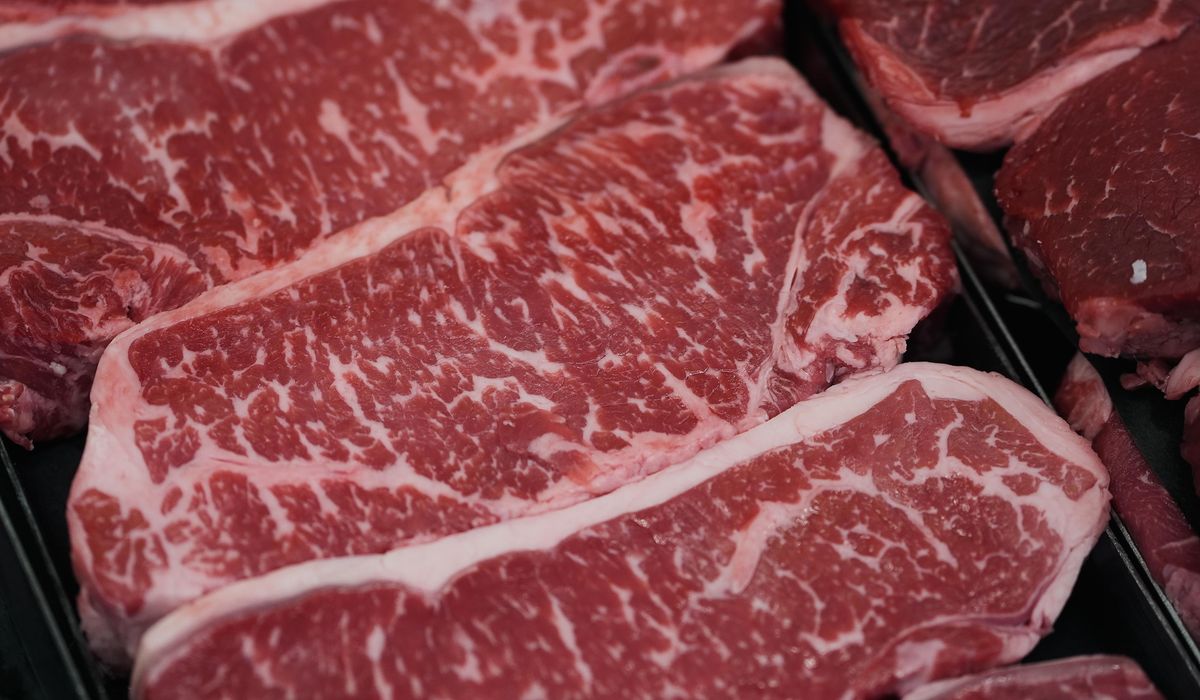
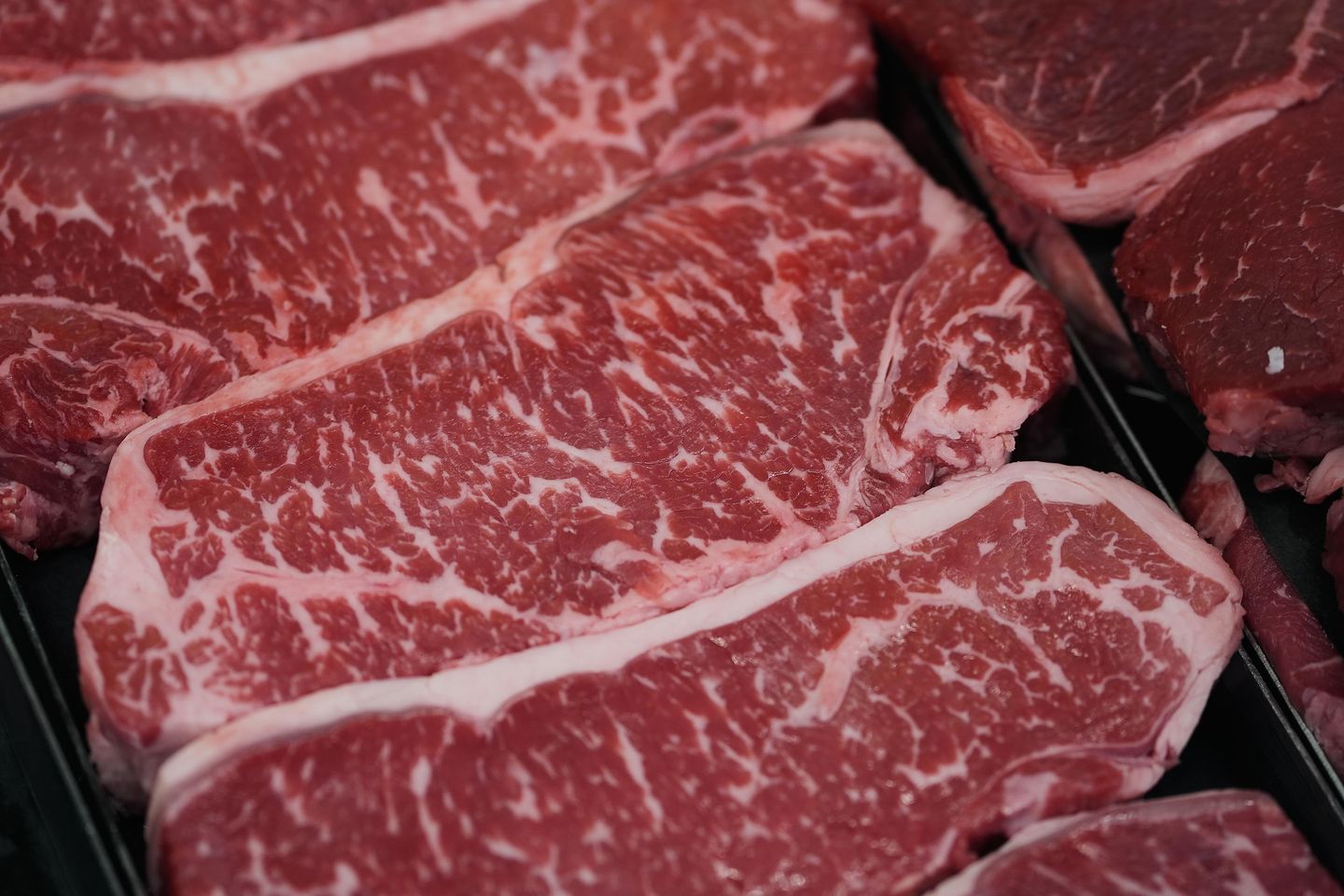
Those pressures are acute for establishments like 801 Chophouse, where menu items include a $145 Rosewood Ranches American ribeye, a $143 dry-aged porterhouse, and a 12-ounce filet mignon for $87.
The filing comes as the American beef industry faces a supply crisis of historic proportions. Steak prices spiked 16% to $12.73 per pound in March 2026, according to data from the Federal Reserve Bank of St. Louis. The price increases stem from a decline in the U.S. beef cattle herd, which fell to a 75-year low of 86.2 million head, according to the Texas Farm Bureau.
The filing is the latest in a long string of restaurant bankruptcies over the past few years that has included giant chains such as Red Lobster and Hooters, reflecting changing consumer dining patterns due to inflation as well as the rising cost of operating restaurants.
Other upscale steakhouse brands have also struggled: Bloomin’ Brands’ Outback Steakhouse in 2025 announced it would close 41 underperforming locations after reviewing its portfolio. McCormick & Schmick’s, which once had 60 restaurants, fell to just 13 locations by the end of 2025. Meanwhile, Fleming’s Prime Steakhouse and Wine Bar is closing its Upper Kirby location in Houston on Saturday after 25 years, as parent company Bloomin’ Brands declined to renew its lease.
This article was constructed with the assistance of artificial intelligence and published by a member of The Washington Times’ AI News Desk team. The contents of this report are based solely on The Washington Times’ original reporting, wire services, and/or other sources cited within the report. For more information, please read our AI policy or contact Steve Fink, Director of Artificial Intelligence, at sfink@washingtontimes.com
The Washington Times AI Ethics Newsroom Committee can be reached at aispotlight@washingtontimes.com.