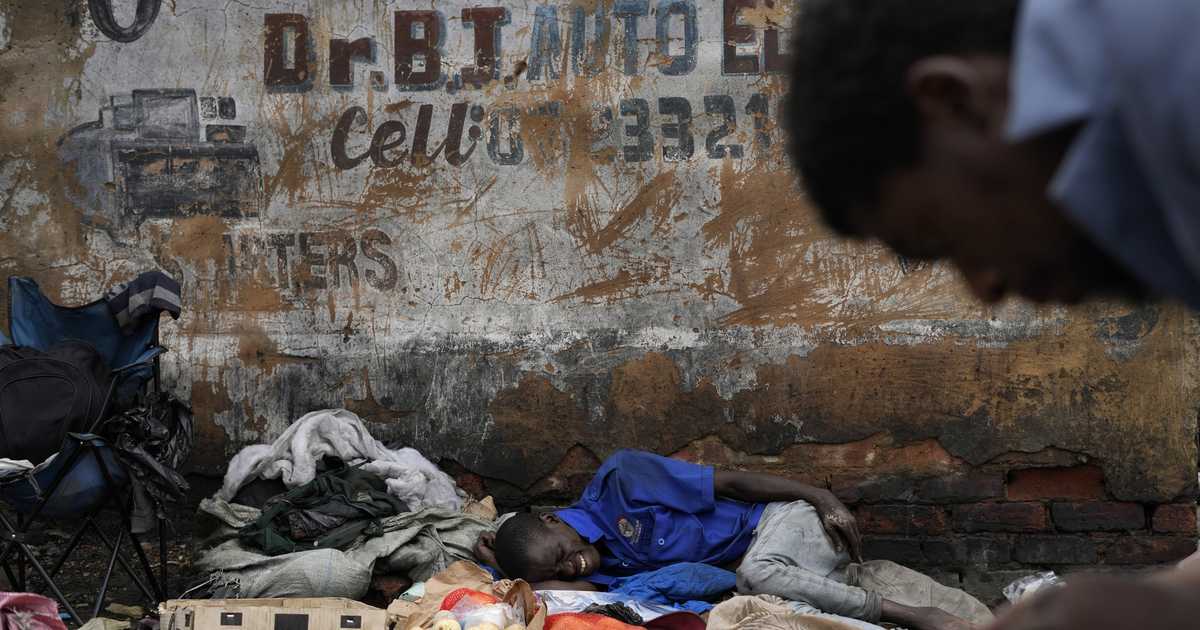
The mainstream media and policy analysts have been slower than sloths in displaying an understanding of how the United States’ dismantling of greenhouse gas limits for power plants is a profound turning point for global energy policy. Moreover, while Washington reclaims industrial common sense, the promise of energy reformation languishes in Africa, especially in nations that sit at or near the bottom of national income.
Begin with numbers published by the World Bank. In Mozambique, 81% of people live below the line of extreme poverty, $2.15 a day. In Burundi, the figure stands at 74%, and in the Central African Republic, close to 72%. Malawi sits alongside them with some of the highest poverty rates on the continent, and its economy entered 2026 with inflation nearly 30% and public debt approaching 91% of gross domestic product.
South Sudan posts the lowest score on the U.N.’s Human Development Index. In 2019, more than 97% of people in the Central African Republic, South Sudan, and Burundi cooked with smoky wood, charcoal, dung, and crop waste.
The Institute for Health Metrics and Evaluation found that household smoke kills Burundians at high rates, and women and girls spend four hours daily gathering fuel. In Egypt where cooking gas is widely used, such hardships are hardly known.
Energy Access and Poverty
One of the primary reasons for these levels of poverty is lack of access to energy, especially electricity. And some of the statistics could come from societies of dark pre-industrial eras.
The Central African Republic’s electricity network runs on the hydroelectric power of one waterway. The Boali complex on the Mbali River – three units totaling less than 39 megawatts – produces far less than a single modern coal-fired plant, which typically generates 1,000 megawatts or more. Of the country’s 5 million people, 4.3 million do not have electricity.
Burundi’s entire national grid produced less than 167 megawatts in 2025, even with a recent addition of nearly 50 megawatts. The national access to electricity sits below 12%. Burundi’s 14 million people depend on a system that is barely enough for a single American shopping mall.
South Sudan’s installed capacity reached roughly 214 megawatts by 2023, of which about half worked.
Why does so little firm power exist in places that need it most? Follow the finance. The World Bank stopped financing coal more than a decade ago. It then would end upstream oil and gas lending after 2019.
In September 2019, African Development Bank President Akinwumi Adesina told the U.N. Climate Action Summit that coal belonged to the past and his bank was getting out of it, a pledge the bank never formally wrote into policy but has applied in practice.
Vijaya Ramachandran of the Breakthrough Institute says blanket bans on financing hydrocarbon projects entrench poverty. Addressing climate change and ignoring poverty is “completely immoral,” she says. “The average Ethiopian consumes only 130 kilowatt-hours of electricity per year, about the amount the average person in the United States consumes in four days.”
Ramachandran is not a climate “skeptic” but rather an economist who knows what happens at a clinic that has insufficient electricity to refrigerate its drugs.
NJ Ayuk of the African Energy Chamber makes the engineering case. Ending energy poverty, he says, requires every available resource, with coal and oil among the assets that “each have a role to play.” Telling Africans to make do with wind and solar while wealthy countries restart their own coal plants is “not just unfair (and) unjust, it is dishonest,” he says.
African governments should demand that the African Development Bank and World Bank restore financing for fossil fuel plants and for the infrastructure to connect them to consumers. This is the bare minimum needed for the continent’s most desperate to escape poverty.
Editor’s Note: Do you enjoy PJ Media’s conservative reporting exposing the radical left and woke media? Support our work so we can keep bringing you the truth.
Join PJ Media VIP and use promo code FIGHT to receive 60% off your membership.