TLDR:
- U.S. plastic recycling rates have collapsed — and seven Democrat-led states are now making businesses pay to fix it.
- Companies say the new fees will be passed directly to consumers; recycling advocates say they won’t.
- Oregon businesses sued to block their state’s law and won a preliminary injunction in February.
- Even California’s Gov. Newsom quietly pumped the brakes on his own state’s EPR law, citing business costs.
Will those recycling laws raise your grocery bill? Businesses say yes — and they’re going to court to prove it.
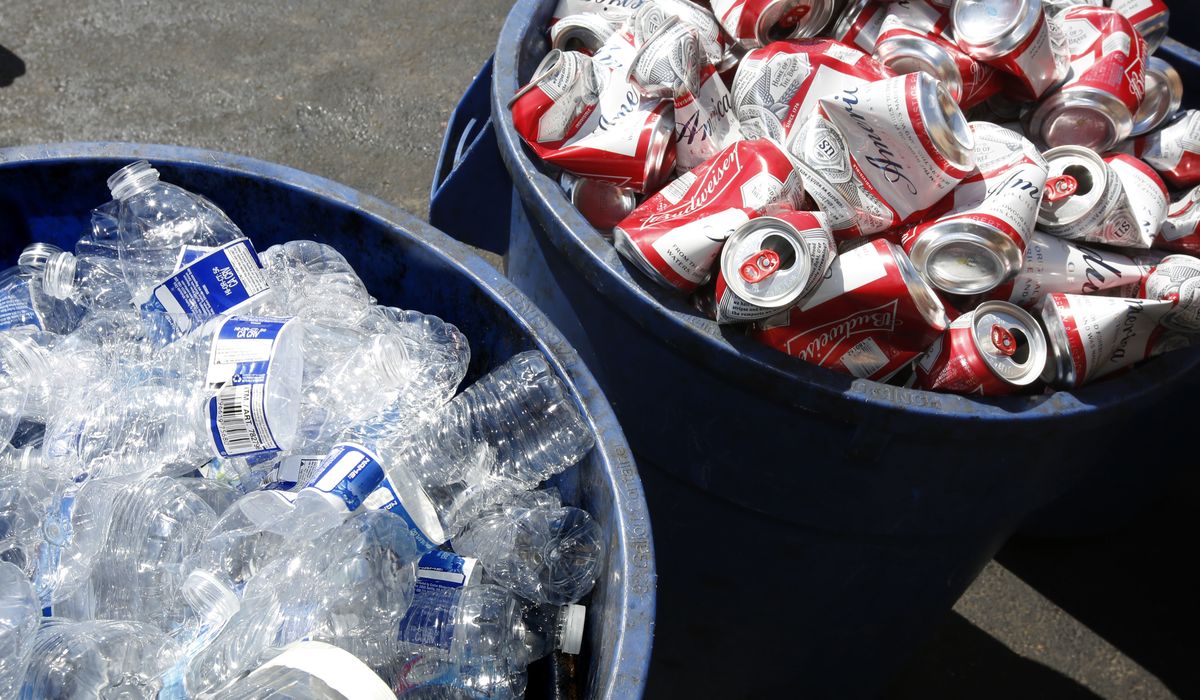
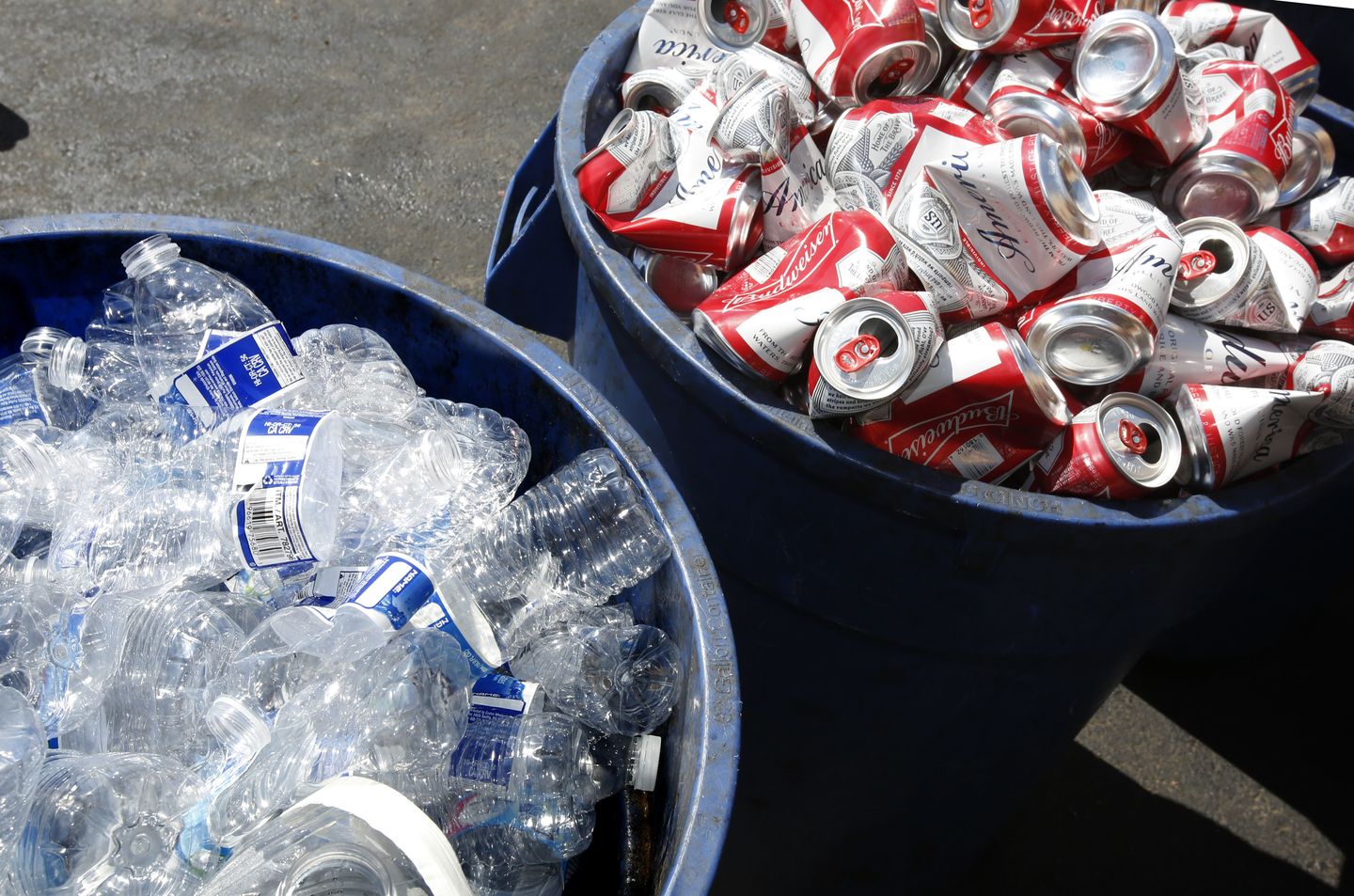
Plastic recycling rates have collapsed over the past decade, falling from a peak of about 9.5% in 2014 to about 5% today. Overall recycling and composting rates have dipped to about 32%, according to the Environmental Protection Agency. Experts say the numbers may never fully recover — plastics come in too many varieties, degrade over time and are far cheaper to manufacture new than to recycle.
Seven states — California, Colorado, Maine, Maryland, Minnesota, Oregon and Washington — have responded by passing Extended Producer Responsibility, or EPR, laws that hold companies financially responsible for recycling the packaging they sell.
But businesses are fighting back, warning that compliance costs will ultimately be borne by consumers. In Oregon, a coalition of grocers, wholesalers and distributors sued to block the state’s new EPR law, which took effect in January. A judge issued a preliminary injunction in February, temporarily halting enforcement.
“The unpredictable, retroactive fees cannot be absorbed and must be passed down the supply chain, where they ultimately reach the consumer,” Ed Allen, president of wholesale distributor WCP Solutions, wrote in the Portland Tribune. “The result is a hidden tax.”
Lawyer Karen Harned, who is representing the National Association of Wholesalers-Distributors, agreed. “We think this is a tax,” Ms. Harned said.
Even California Gov. Gavin Newsom has pumped the brakes. Mr. Newsom signed an EPR law in 2022 but ordered a revision last year, citing business complaints. The law remains on hold.
Supporters say EPR is the only proven path forward. “EPR programs can make recycling more convenient and accessible,” said Kara Pochiro of the Association of Plastic Recyclers. Ms. Pochiro said the laws can drive new investments in collection infrastructure.
Read more:
• Blue states make businesses pay to prop up failing recycling programs
This article was constructed with the assistance of artificial intelligence and published by a member of The Washington Times’ AI News Desk team. The contents of this report are based solely on The Washington Times’ original reporting, wire services, and/or other sources cited within the report. For more information, please read our AI policy or contact Steve Fink, Director of Artificial Intelligence, at sfink@washingtontimes.com
The Washington Times AI Ethics Newsroom Committee can be reached at aispotlight@washingtontimes.com.