When a neighbor steps outside to back someone else’s argument several blocks away, he rarely does so by accident; their silence would cause less impact. Speaking signals allegiance, especially when the issue sits far from their home.
Moscow Didn’t Need to Speak
Publicly, Russia rejected any form of Taiwanese independence, a proclamation that wasn’t asked for by China. That’s a distinction that matters.
There’s no direct threat from Taiwan to Russia: it doesn’t sit on Russia’s border, disrupt Russian shipping lanes, or touch Russian domestic politics.
Necessity didn’t force the Russian response; Moscow spoke because the symbolism mattered more than restraint.
It’s a choice that now raises questions.
Why Russia’s Opinion Carries Weight
I’m sorry, I have to use it: With great power comes great responsibility.
Except that great powers don’t offer opinions for charity; they calculate any benefit that comes from it.
Russia’s language closely matched Beijing’s long-standing position, using familiar-sounding phrasing because it fit the preferred narrative. That kind of repetition didn’t happen by accident. It clarified Russia’s alignment with China, strengthening Beijing’s diplomatic posture while reminding the world that Moscow stands closely with Chinese interests, as evidenced by its constant nodding along with Chinese statements.
A Pattern That Keeps Repeating
We’re seeing a pattern in which Russia and China are increasingly moving in parallel, with deepening energy agreements and expanding military exercises.
Meanwhile, voting patterns are lining up, and public messaging follows the same rhythm.
It’s an excellent example of quid pro quo, where support flows both ways. China avoids condemning Russia’s actions in Europe, and Russia supports Chinese claims in Asia. Each side gains cover for its own ambition by backing the other’s red lines.
Unfortunately, Taiwan fits neatly into that pattern.
Taiwan as a Signal, Not a Target
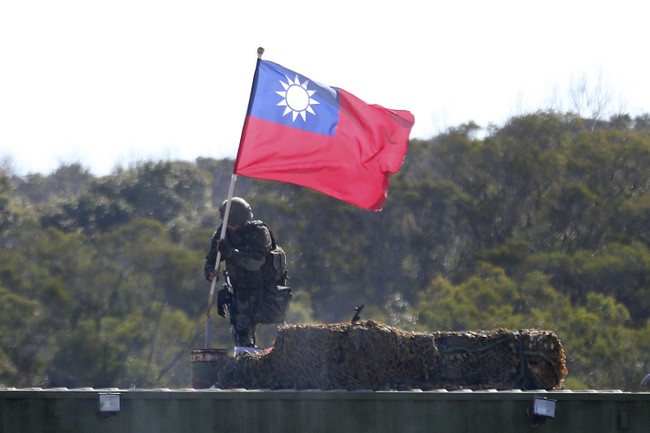
More than geography, Taiwan represents resistance to control and the limits of power.
Russia didn’t commit to directly influencing Taiwan. Instead, its comment was meant to influence audiences elsewhere, such as allies, adversaries, and observers who would ultimately weigh future risks.
Choosing a side publicly narrows options later, and Moscow willingly accepted that tradeoff.
What Moscow Gains From Speaking Up
Moscow’s relevance grows by speaking up, since it’s not deploying any assets. Words don’t cost very much, but any influence gained through alignment still matters.
However, in this game of chaotic chess, Russia also gains leverage with Beijing. As public expectations rise, any favors banked today will be collected later — especially when pressure increases in other theaters.
Why the Timing Matters
With global tensions running high, Russia decided now was the time to speak; Ukraine remains unresolved, Taiwan remains uncontested, and every declaration stacks atop earlier ones.
Not waiting for a crisis to clarify its stance, Russia moved its rook early, reducing confusion later, especially among partners when they coordinate their moves.
Until it shapes outcomes, any preparations often look pretty dull.
What It Doesn’t Mean
Saying that doesn’t signal imminent conflict; it doesn’t place Russian troops near Taiwan, and it doesn’t guarantee future involvement.
But what it does signal is a hardened alignment, where positions publicly declared begin to reset quite radically. Lines drawn today end up limiting tomorrow’s flexibility.
Great political power often advances one sentence at a time.
What Others Should Notice
Western governments shouldn’t dismiss the comment as white noise; public alignment carries consequences that often occur without formal treaties.
When silence offered more, Russia chose to speak out—a choice revealing intent that, when powerful states start repeating each other’s talking points, coordination already exists.
Trouble begins when people decide to ignore that coordination, surprising everybody.
Final Thoughts
Loyalty intuition usually explains the impulse to defend another person’s position without being asked.
But Russia didn’t need to care about Taiwan; it decided that anyway. It’s a choice that says more about the statement than anything else. In today’s diplomatic arena, the choice of word placement, tone, and, of course, the words themselves tends to matter later, especially when powerful neighbors begin speaking in unison.
PJ Media’s YUGE Christmas and New Year’s sale is on — now at our lowest rate of the year! This huge sale on our VIP Memberships ends on January 1, so make sure you join the club to get our special behind-the-scenes look at the news. Receive 74% off by following this link and using our promo code MERRY74.