The Joint Comprehensive Plan of Action — the 2015 Iran nuclear deal — was reached in Vienna on July 14, 2015, between Iran and six world powers: the United States, United Kingdom, France, Germany, Russia and China, with the European Union coordinating the talks.
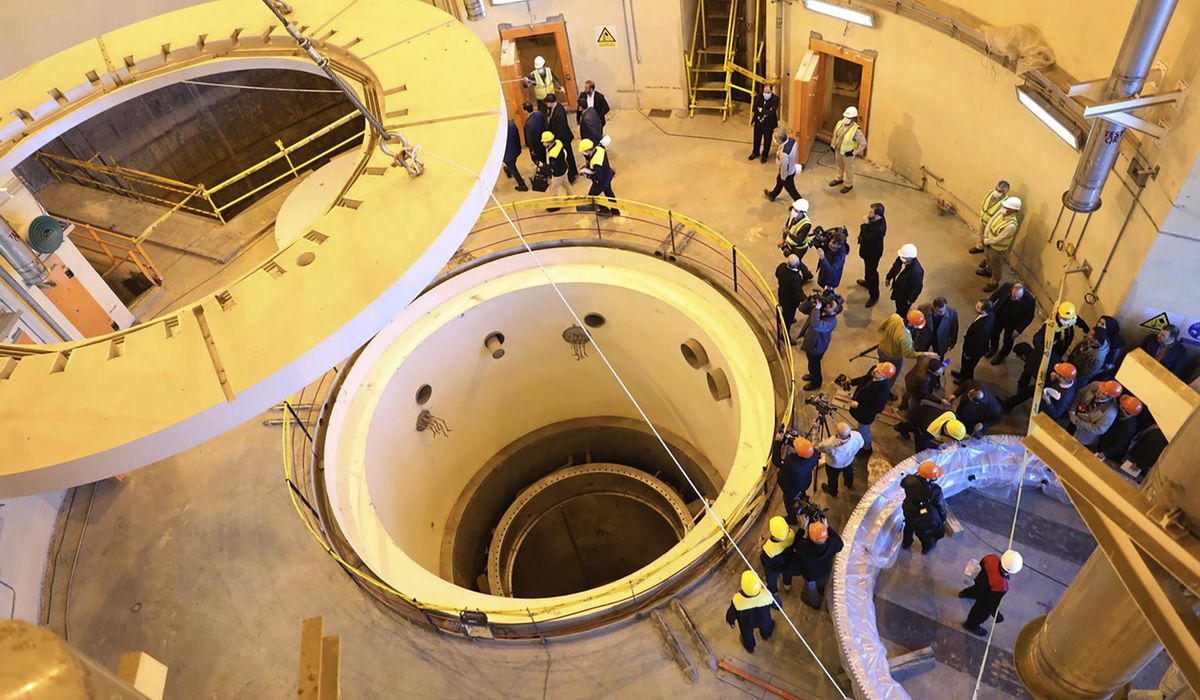
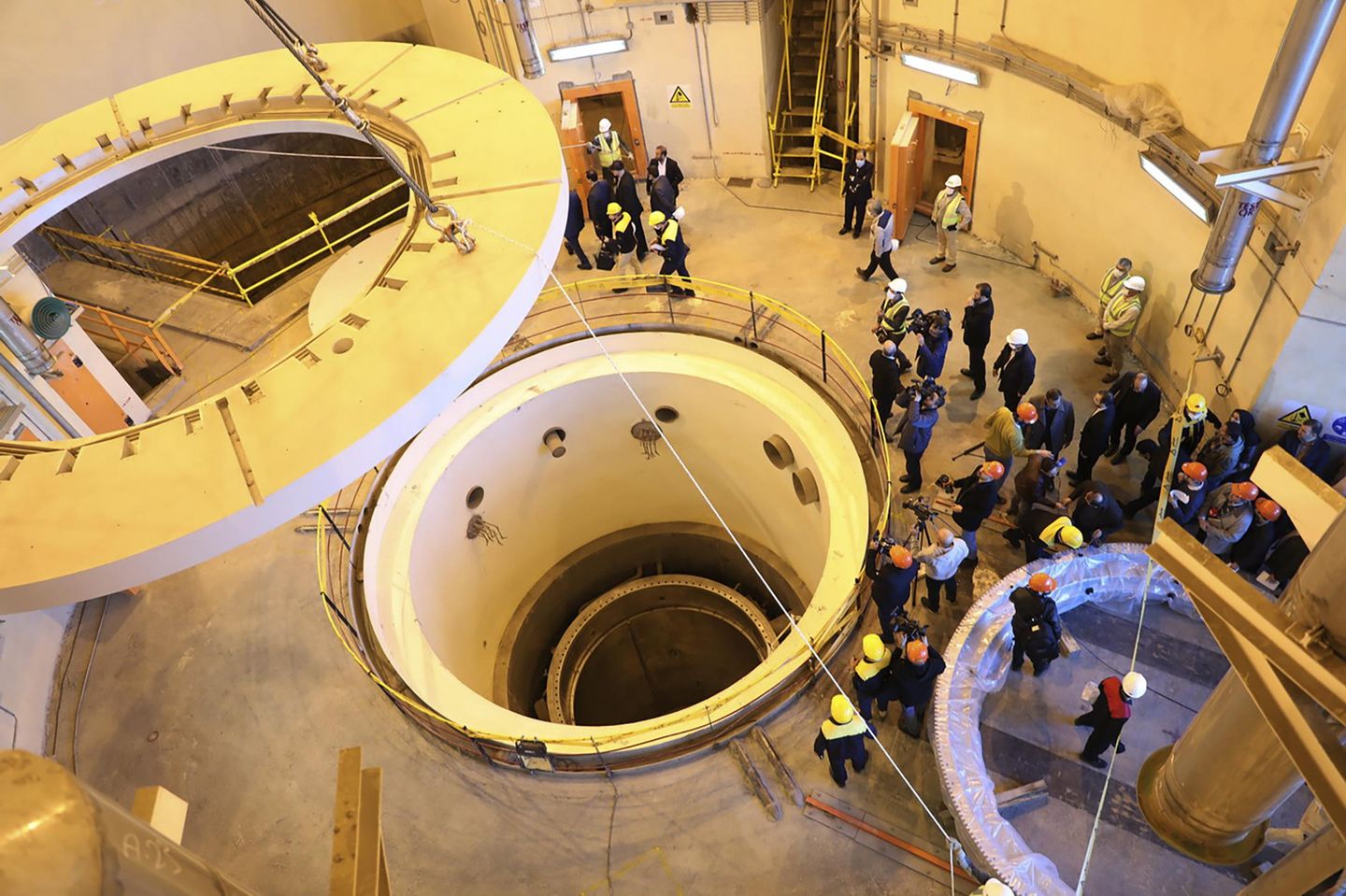
Under the agreement, Iran agreed to slash its stockpile of low-enriched uranium, cap enrichment at 3.67% — far below weapons-grade — dismantle thousands of centrifuges and redesign key facilities. In exchange, it received relief from international sanctions.
The deal imposed extensive monitoring by the International Atomic Energy Agency, whose inspectors were granted regular access to Iranian nuclear sites. The full terms were published by the European Union, and the arrangement was endorsed by U.N. Security Council Resolution 2231.
The accord was not submitted to the U.S. Senate as a treaty. Instead, it was implemented as an executive agreement — a political commitment that did not require ratification.
Critics, particularly in Israel and among Republican lawmakers in Congress, argued it only delayed Iran’s nuclear ambitions and failed to address Tehran’s ballistic missile program and regional proxy network.
In May 2018, President Donald Trump withdrew the United States from the agreement and reimposed sweeping sanctions under what his administration called a “maximum pressure” campaign. Iran began stepping away from its own commitments the following year, gradually exceeding the deal’s limits on uranium enrichment and stockpile size.
IAEA reports over the next several years documented Iran enriching uranium up to 60% purity — well above the JCPOA cap and a short technical step from weapons-grade, though still below the roughly 90% typically associated with nuclear arms.
Tensions escalated dramatically in June 2025.
Israel launched strikes on Iranian nuclear facilities, including Natanz. The conflict widened when the United States carried out strikes on Fordow, Natanz and Isfahan. The fighting lasted 12 days before a ceasefire was reached.
On Feb. 28, 2026, the United States and Israel launched a new wave of large-scale strikes against Iranian targets, citing threats tied to Iran’s nuclear and missile programs.
Iran’s Supreme Leader, Ayatollah Ali Khamenei, was killed — a development that marked a historic escalation in the long-running shadow conflict between Tehran, Jerusalem and Washington.
The International Atomic Energy Agency said in early March that it was seeking to verify claims about damage to nuclear facilities amid the latest round of fighting. Director General Rafael Grossi cautioned that military action around nuclear sites carries serious safety risks and said inspectors were working to assess the situation.
The 2015 nuclear deal, already eroded after the U.S. withdrawal and Iran’s subsequent breaches, no longer functions as an effective constraint framework. Diplomacy has given way to open military confrontation, and the facilities once governed by inspections and enrichment caps are now at the center of an expanding regional conflict.
This article is written with the assistance of generative artificial intelligence based solely on Washington Times original reporting and wire services. For more information, please read our AI policy or contact Steve Fink, Director of Artificial Intelligence, at sfink@washingtontimes.com
The Washington Times AI Ethics Newsroom Committee can be reached at aispotlight@washingtontimes.com.