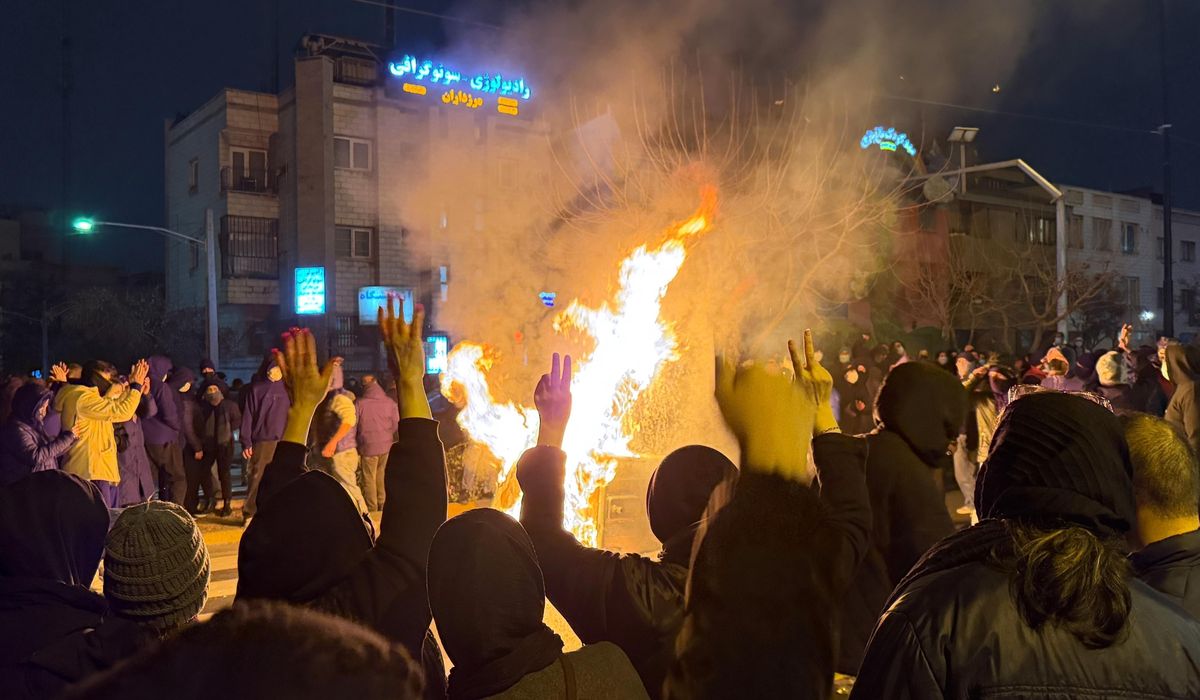
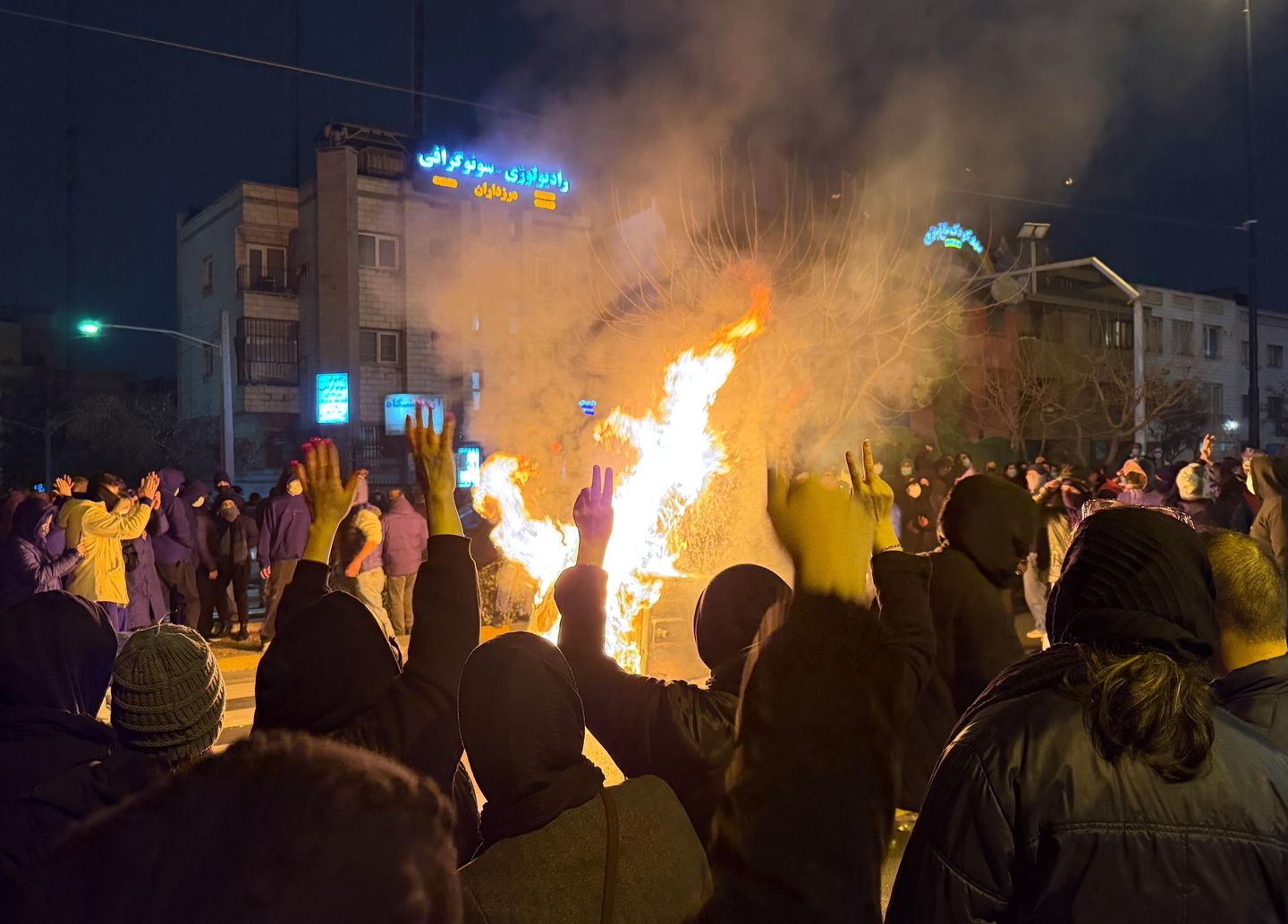
The bloodiest crackdown on dissent since Iran’s 1979 Islamic Revolution is slowly coming into focus, despite authorities cutting off the Islamic Republic from the internet and much of the wider world.
Iran’s nationwide protests appear to have stalled following a violent crackdown that rights groups say has left thousands dead.
The unrest began with small demonstrations in Tehran over Iran’s collapsing currency.
It quickly widened it a nationwide protest with many demonstrators calling for the end of the Islamic Republic.
After more than two weeks of demonstrations across Iran, human rights groups and witnesses have reported little protest activity in major population centers.
Rights monitors say authorities have kept the heavy police and military presence in cities where protests were largest.
The government has heavily restricted internet and phone service, making it harder to confirm the deaths and track protest activity.
Iranian state media says security forces have carried out arrests of alleged protest organizers.
Over the weekend, Iran’s supreme leader publicly acknowledged that thousands were killed, the first time the leadership has spoken to the scale of violence, while blaming many of the deaths on foreign agitators and rioters.
With Iran still restricting internet and phone service, independent verification remains limited, meaning the death toll could be much higher than what’s currently reported.
Even so, sporadic demonstrations have continued in pockets.
The Trump administration has responded with threats of escalation and additional economic pressure.
President Trump warned earlier this month that if Iranian authorities continued killing protesters, the U.S. could consider military strikes.
That rhetoric intensified last week amid reports that Iran was preparing to execute arrested prisoners.
On Wednesday, Trump said that he had been informed that Iran had decided to halt executions.
We’ve been told that the killing in Iran is stopping, and it’s stopped, it’s stopping. And there’s no plan for executions or an execution or executions. So I’ve been told that a good authority. We’ll find out about it.
The White House later said Iran had halted executions of 800 prisoners, but it remains unclear what changed inside Iran, and there is no independent confirmation that U.S. pressure was the decisive reason for the report at halt.
Even at its height, the protest movement struggled to produce a single leadership structure or a clear plan for what comes after the Islamic Republic.
The protests have drawn a broad cross-section of Iranian society, united in anger at the government, but divided on alternatives, and fear of becoming a target has made organizing and leadership harder.
Outside Iran, the most recognizable opposition figure remains Reza Pahlavi, the exiled son of Iran’s last Shah, but experts say questions about his plan and the country’s history with monarchy have limited any clear consensus around him.
Looking ahead, two things will shape what comes next, whether protests can continue under heavy security pressure, and whether Iran’s communication restrictions ease enough for organizing to resume.
Tehran’s capacity to alleviate the severe economic anxieties of protesters, which sparked the demonstrations late last year, also remains uncertain, with intense Western-backed sanctions still in place.