Hmmmmm.
Early in the war, Israel struck oil depots outside of Tehran that directly served the IRGC, setting off a massive and sustained firestorm that quickly went viral on social media. Donald Trump reportedly rebuked Benjamin Netanyahu for hitting potential civil infrastructure that would be needed by the Iranian people. Until today, both the US and Israel have taken care to avoid such targets; Trump even bragged about it earlier this week, saying he could set Iran back 25 years in just a few minutes by targeting energy production, but wanted to preserve it for the Iranian people.
Just a short while ago, however, the IDF hit Iran’s largest natural-gas processing center, located in Bushehr, a critical part of Iran’s electrical grid. Axios’ Barak Ravid reports that the Israelis coordinated the strike with the US:
The Israeli Air Force struck a natural gas processing facility in southwestern Iran, two senior Israeli officials said.
Why it matters: This is the first time Israel has struck natural gas facilities in Iran, which are key to Iran’s economy.
The Israeli officials said the strike was coordinated with and approved by the Trump administration.
This was not just any nat-gas facility, and not just any location, either. The attack targeted the Iranian regime’s South Pars field, the largest known reserve of natural gas in the world. Its significance to the Iranian economy cannot be underestimated:
According to the official, the strikes hit Iran’s largest gas processing facility, in the Bushehr Province.
Iranian state television says: “Moments ago, parts of the gas facilities located in the South Pars Special Economic Energy Zone in Asaluyeh were struck by projectiles fired by the American-Zionist enemy.” …
The South Pars/North Dome mega-field is the largest known gas reserve in the world. The field supplies around 70 percent of Iran’s domestic natural gas. Iran, which shares the massive field with energy giant Qatar, has been developing its side since the late 1990s.
Iran gets 70% of its natural gas from this location. Iran also generates 68% of its overall electricity through natural gas, according to a 2022 analysis from the US Energy Information Agency (EIA). Petroleum only accounts for 31%, and that has likely been made a lot less reliable in the war effort, especially after the Israelis’ early strike on the massive holding tanks in Tehran. Disabling the facility at the South Pars field would create an immediate and likely catastrophic crisis for Iran’s electrical grid.
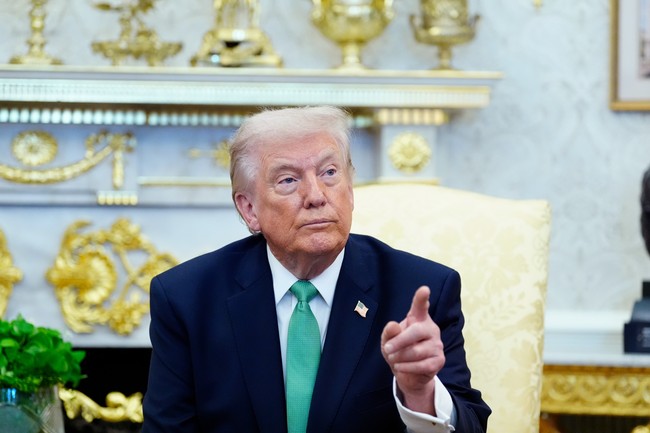
This comes pretty close to the outcome that Trump claimed earlier this week that he purposely had avoided. So what changed? Ravid quotes Trump’s Truth Social post shortly after the strike, which may or may not be directly related to the change of strategy:
Remember, for all of those absolute “fools” out there, Iran is considered, by everyone, to be the NUMBER ONE STATE SPONSOR OF TERROR. We are rapidly putting them out of business!
Iran isn’t the only one operating the South Pars field, however. The Qataris are heavily invested in it as well, and they’re not happy this morning about being potentially put out of business there as well:
Qatar spokesperson: “Israel’s targeting of facilities linked to Iran’s South Pars gas field, which represents an extension of Qatar’s North Field, is a dangerous and irresponsible step amid the current military escalation in the region. Targeting energy infrastructure constitutes… pic.twitter.com/8DXWhSFzdR
— Open Source Intel (@Osint613) March 18, 2026
… Targeting energy infrastructure constitutes a threat to global energy security, to the peoples of the region, and to its environment.”
This might be performative anger from Qatar as a way to distance itself from the implications of the attack. Until Iran started lobbing ballistic missiles by the dozens at Qatar, the emirs had tried to maintain a cooperative relationship with Tehran and positioned themselves as mediators between the US and Iran. The decision by the IRGC to attack Qatar has angered the emirs, but not to the point where they’re willing to burn billions of dollars in their energy investments – even if Iran has spent the last two-plus weeks targeting similar facilities in the region.
Those attacks could explain why Trump changed his mind, but that’s probably only a small part of it. Israel may have pressed Trump to allow a wider range of targets when the Iranians switched to cluster munitions on its ballistic missiles, a move that partially negates Israel’s anti-ballistic missile systems. Iran has also targeted Israel’s energy infrastructure, albeit not with much accuracy, including the Israeli nuclear-power facility, Dimona. The strike on the South Pars field is in the same state (Bushsehr) as Iran’s only operating nuclear reactor, which sends a tense message of its own that has been immediately received in Moscow.
The most likely push for Trump, however, is the need to stop attacks on shipping through the Strait of Hormuz. Having failed to get NATO to contribute to security escorts for tankers passing through to the open sea, Trump has to escalate pressure on Iran to stop its attacks. The US dropped massive bunker-buster bombs on Iran’s shoreline missile batteries overnight in an attempt to thwart their Hormuz strategy:
Iran has promised to step up attacks on energy production in the region in retaliation, but those attacks had been underway for most of the eighteen previous days of war already. The Iranian regime had already deployed this deterrent and it has already failed strategically, and mostly failed tactically as well. Trump may still want to preserve enough of the civil infrastructure of Iran to keep the necessity of massive rebuilding under a new government to a minimum, but Iran’s leverage over the Strait of Hormuz has to be negated in the immediate moment.
Get ready for an operation that seizes and holds Kharg Island. This strike on South Pars is a clear signal that Trump will go for the jugular even with the risks such strategies bring.