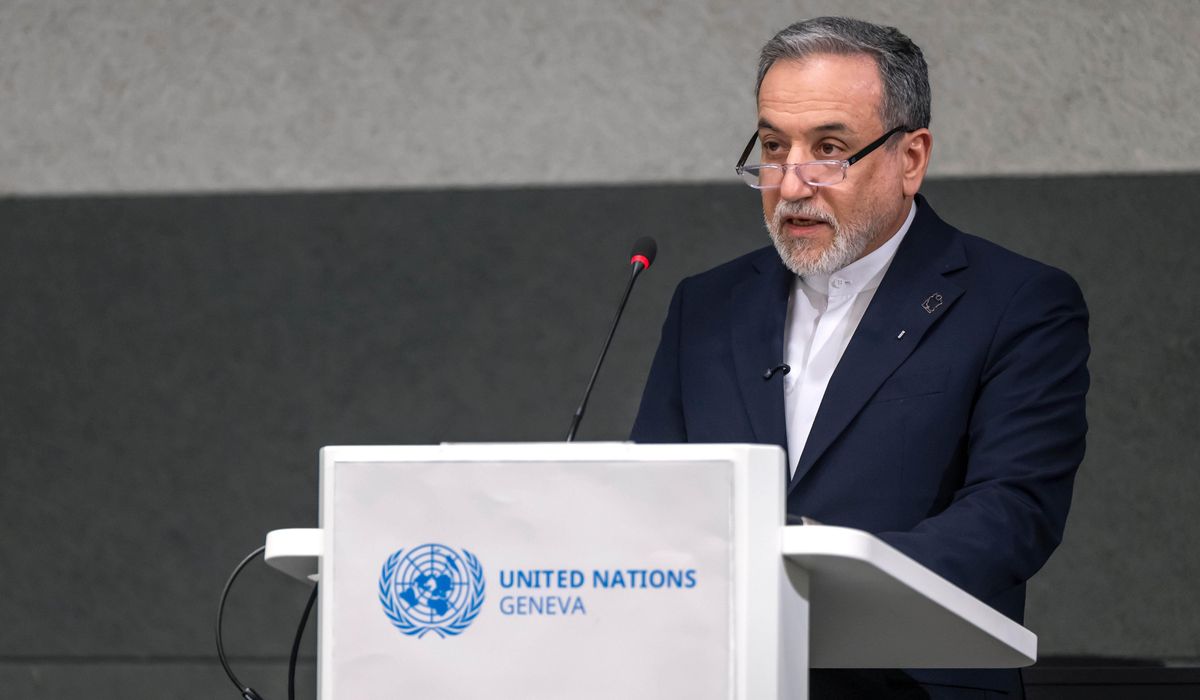
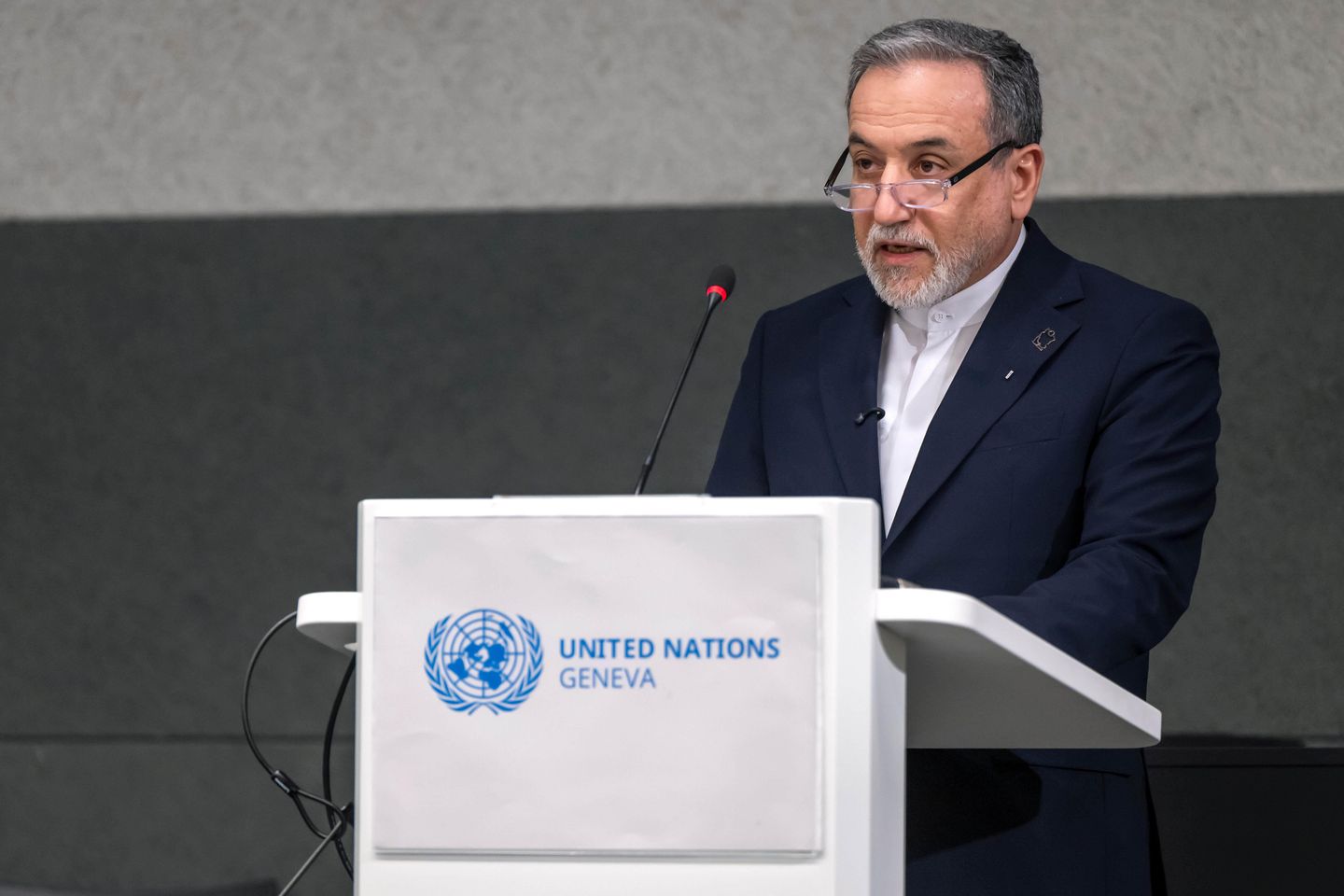
Iranian Foreign Minister Abbas Araghchi said Friday the bombing of the Shajareh Tayyebeh elementary school in southern Iran at the start of the war last month was a “calculated assault” by the U.S.
In a video message to the U.N. Human Rights Council, Mr. Araghchi said the Feb. 28 strike, in which at least 175 people were killed, was “a war crime and a crime against humanity,” and argued that the U.S. and Israel do not value human life.
“They are targeting civilians and civilian infrastructures with no regard for laws of war and basic principles of humanity and civility,” he said.
The incident remains the deadliest strike in terms of civilian casualties since the start of the war in Iran.
U.S. authorities are currently investigating the strike, with Defense Secretary Pete Hegseth promising a thorough probe earlier this month. President Trump had initially insisted that Iran was responsible for the attack without citing evidence.
Some independent analysis of the strike concluded that U.S. forces relied on outdated intelligence when planning their attack. The Shajareh Tayyebeh school was located near a coastal Iranian Revolutionary Guard Corps base, which the U.S. was targeting on Feb. 28. The school’s building was at one point reportedly part of the base but had in recent years been converted into a school.
On the ground videos of the strike also appear to show a Tomahawk missile directly hit the school. In the Iran war, only the U.S. has access to Tomahawk missiles.
Mr. Araghchi’s comments come as strikes on civilian infrastructure become an increasing fixture of the Iran war. Iran has launched missile and drone attacks on energy facilities and some hotels in Persian Gulf countries over the past week, and Israel recently struck Iran’s South Pars gas field.
Last week, Mr. Trump threatened to destroy Iran’s power plants if Tehran refused to reopen the Strait of Hormuz, which has been effectively closed for weeks. Attacks on Tehran’s power grid would potentially cut off electricity for millions of Iranians and would constitute a war crime, according to some human rights organizations.
Mr. Trump has since extended the deadline twice, citing productive conversations with Iranian officials, and has given Iran until April 6 to reopen the Strait of Hormuz.
Iran, responding to the threat, said that if its power stations were attacked, its military would respond by attacking similar stations across the region.