UNITED NATIONS — The U.N. Security Council criticized Haitian authorities Thursday for the lack of progress in achieving a political transition and called for urgent security sector reforms to tackle increasing violence by gangs and criminal groups.
The council condemned the upsurge in violence in Latin America’s poorest nation in the strongest terms, pointing to human rights violations and abuses, including sexual violence against women, men and children as well as human trafficking, migrant smuggling, killings and the abduction of children by armed gangs.
The council resolution, co-sponsored by the United States and Panama, and adopted unanimously, extends the U.N.’s political mission in Haiti until Jan. 31, 2027.
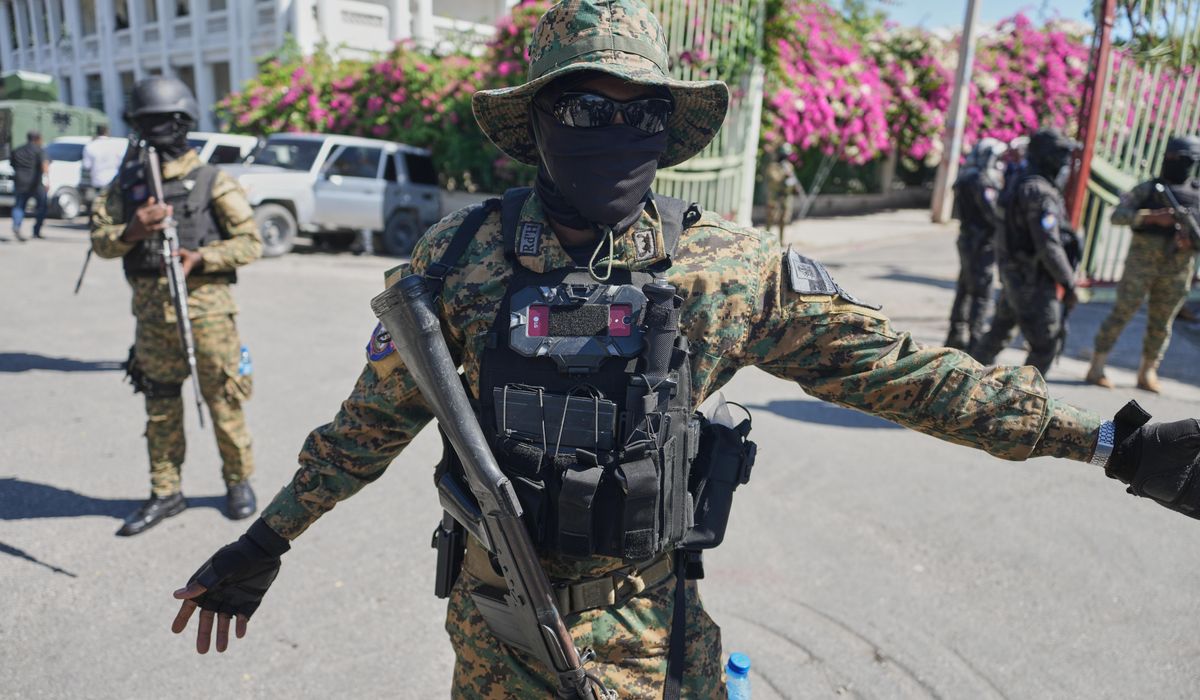
Gangs have grown in power since the assassination of President Jovenel Moïse in 2021. They now control 90% of the capital, Port-au-Prince, and have expanded their activities into the countryside. Haiti has not had a president since the assassination.
A transitional council has been one of the country’s top authorities since April 2024. It was created with the help of Caribbean leaders after gangs forced the closure of Haiti’s main international airport and targeted key state infrastructure in a series of unprecedented attacks that eventually led former Prime Minister Ariel Henry to resign.
The council was charged with selecting Haiti’s prime minister in a bid to quickly bring some stability to the country. Since its establishment, there have been three prime ministers. The council is supposed to dissolve by Feb. 7, but it’s unclear if that will happen.
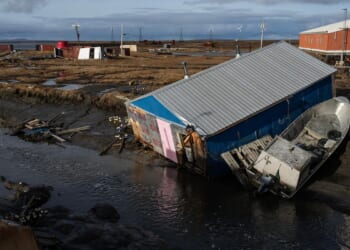
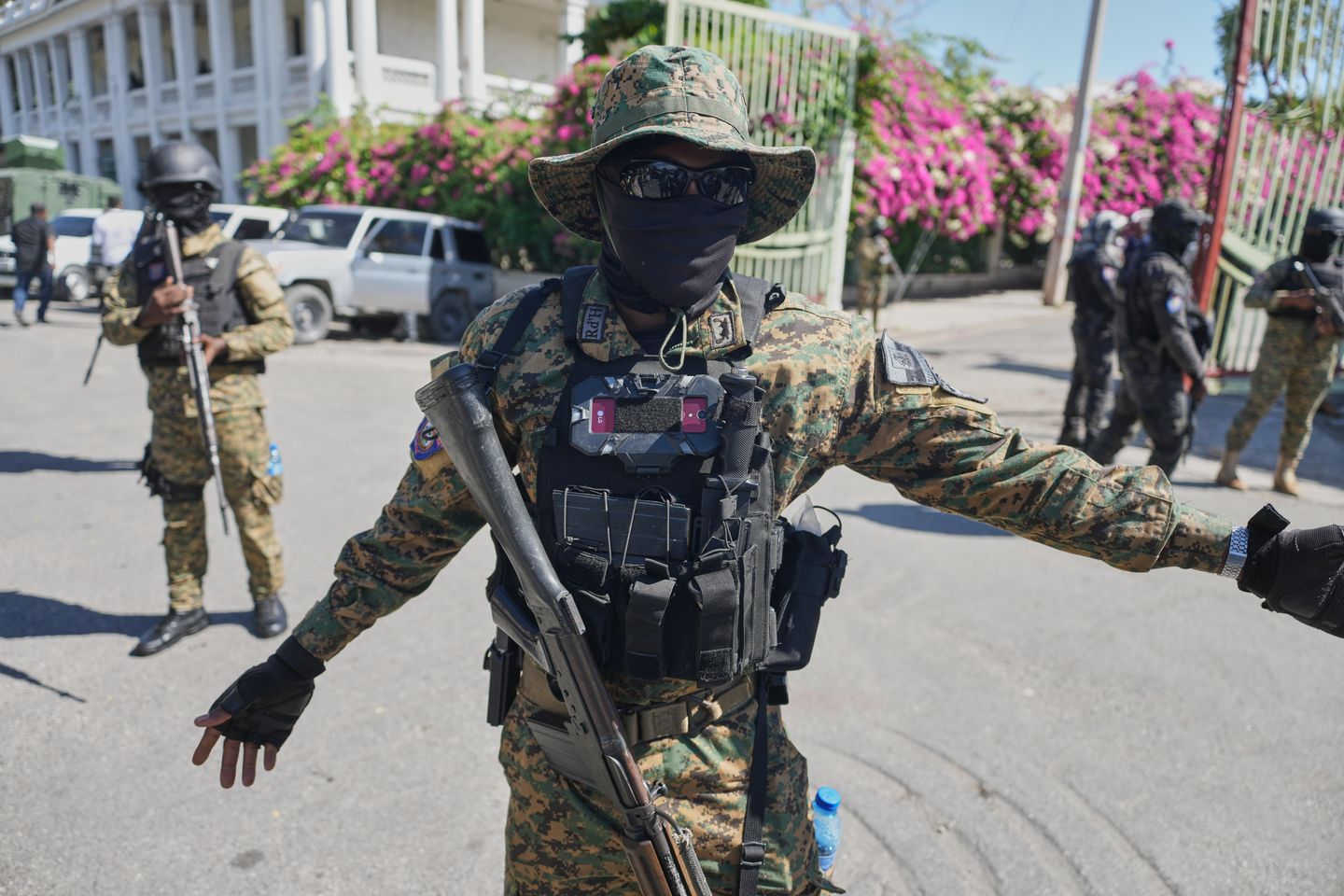
PHOTOS: UN criticizes Haiti for lack of progress on a political transition
Last week, the U.S. warned the transitional council against making changes to the government, as pressure has mounted for the unelected body to move toward elections for the first time in a decade.
The U.N. Security Council authorized a so-called gang suppression force on Sept. 30 that would replace a smaller U.N.-backed mission led by Kenyan police that was understaffed and underfunded. U.S. Ambassador Mike Waltz said at the time that the force “offers Haiti hope,” but there is no timeline yet for deployment of its 5,500 members.
The resolution adopted Thursday revises the mandate of the U.N.’s political mission to focus on facilitating a “national dialogue” to support efforts to hold municipal, parliamentary and presidential elections.
It calls for the mission, known as BINUH, to closely cooperate with the gang suppression force and to assist Haitian authorities in designing a program to disarm and reintegrate people formerly associated with gangs, particularly children.