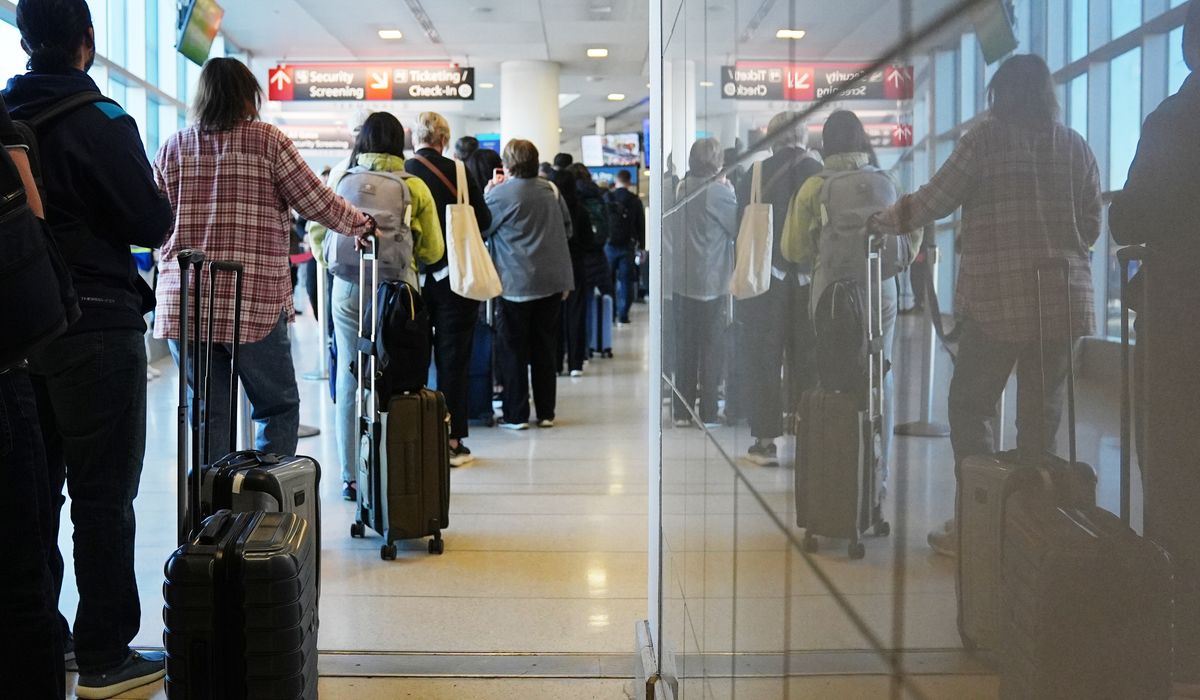
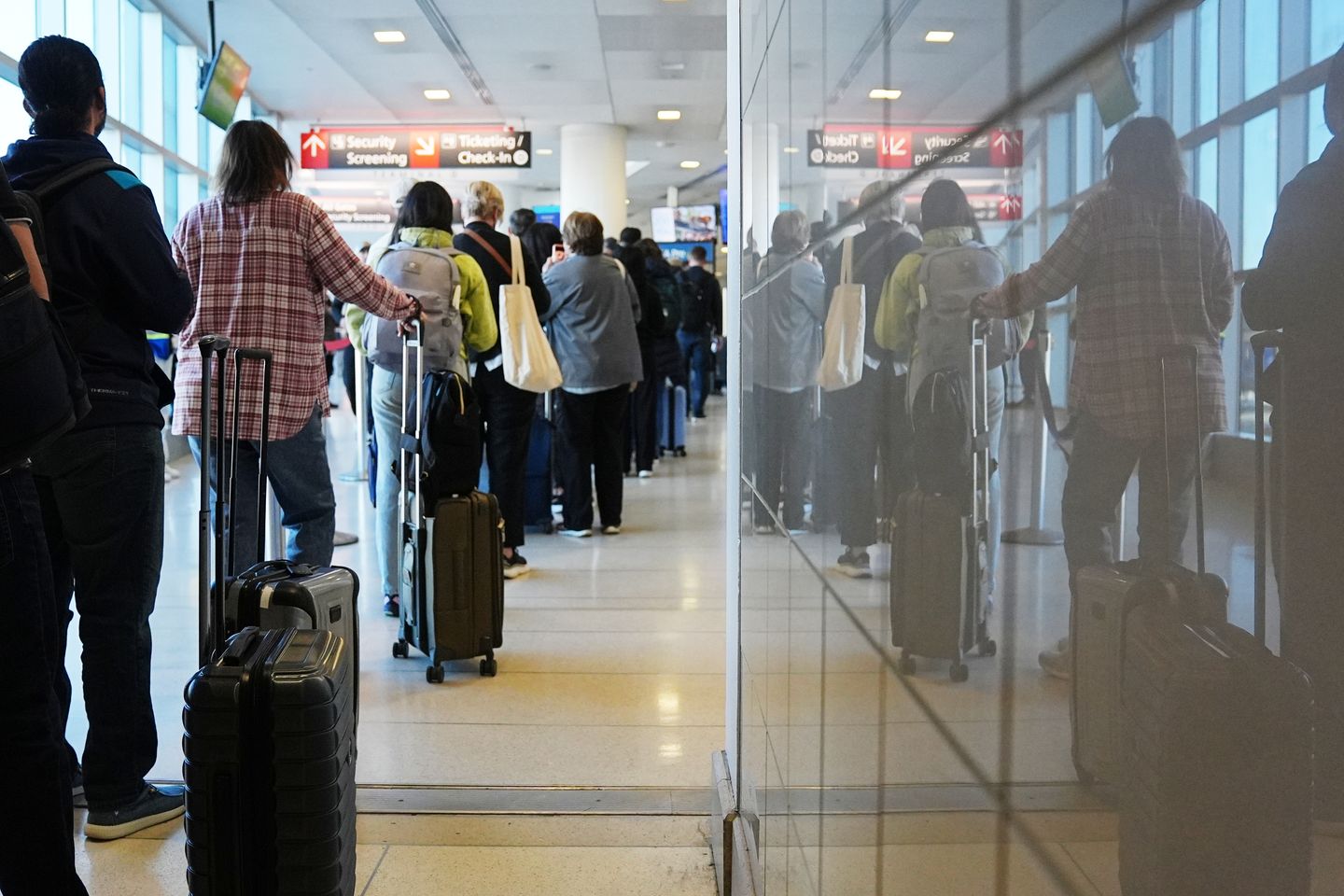
U.S. airports have experienced the highest security wait times in history over the past 40 days while the Department of Homeland Security has been shut down, with some line delays stretching beyond 4½ hours, the head of the Transportation Security Administration told lawmakers on Wednesday.
Ha Nguyen McNeill, acting TSA administrator, said more than 480 transportation security officers have quit since the shutdown began on Feb. 14 and multiple major airports are experiencing days where 40%-50% of officers call out of work.
“We are being forced to consolidate lanes and may have to close smaller airports if we do not have enough officers,” she said. “It is a fluid, challenging and unpredictable situation.”
Ms. Nguyen McNeill asked the public for patience while the TSA staffing shortages continue, lamenting a 500% increase in assaults on officers since the shutdown began.
“This is unacceptable and will not be tolerated,” she said, noting violators will be prosecuted.
Because airport security is an essential function of government needed to protect the public, 95% of TSA’s workforce, 61,000 employees, are forced to work without pay during a shutdown.
With the current DHS shutdown and the record 43-day governmentwide shutdown last fall, TSA workers have been working without pay for half the fiscal year that began Oct. 1, Ms. Nguyen McNeill said.
If the shutdown is still in effect on Friday, when TSA workers would next be paid if DHS were funded, the collective total of missed paychecks throughout the fiscal year will reach nearly $1 billion, she said.
While TSA and other government workers have received back pay for the fall shutdown and will eventually get paid if Congress funds DHS, the impact of not being paid for weeks on end takes a toll.
“Many in our workforce have missed bill payments, received eviction notices, had their cars repossessed and utilities shut off, lost their child care, defaulted on loans, damaged their credit line and drained their retirement savings,” Ms. Nguyen McNeill said.
“Some are sleeping in their cars, selling their blood and plasma and taking on second jobs to make ends meet, all while being expected to perform at the highest level when in uniform to protect the traveling public,” she continued.
Ms. Nguyen McNeill said she fears more TSA officers will quit as the shutdown drags on and said the agency has fewer people applying for jobs. New hires are not immediately available to help, as it takes four to six months of training to prepare an officer to conduct security screenings.
“This is a dire situation,” she said. “We are facing a potential perfect storm of severe staffing shortages and an influx of millions of passengers at our airports for the World Cup games in less than 80 days.”