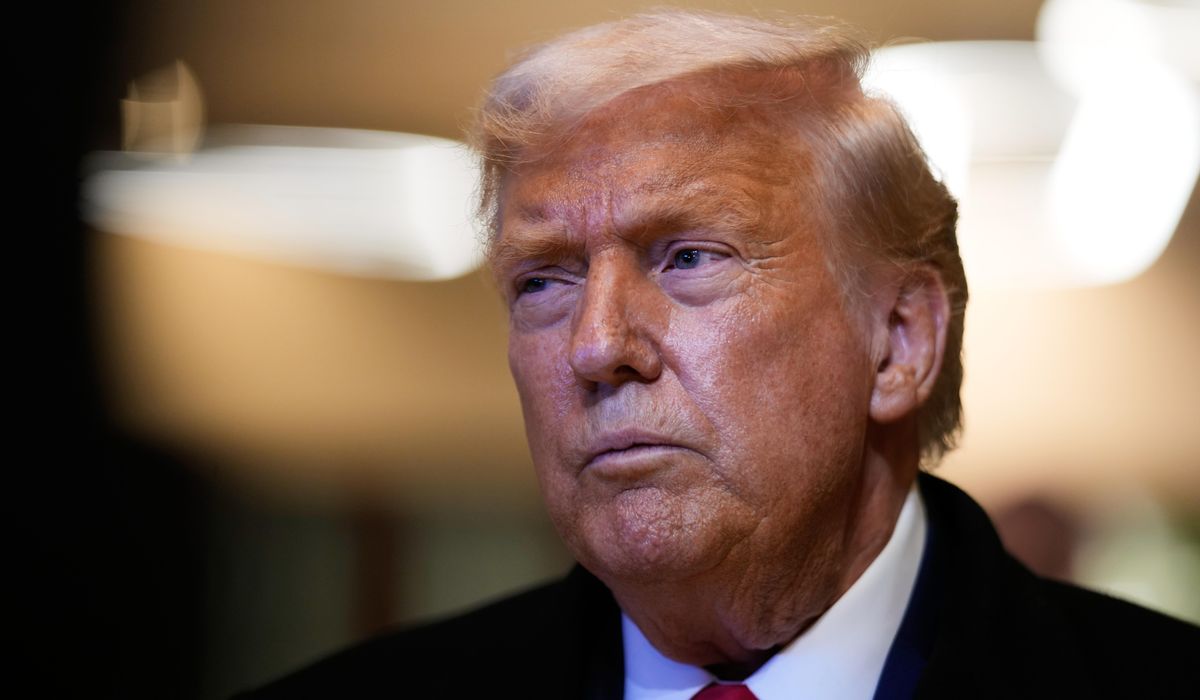
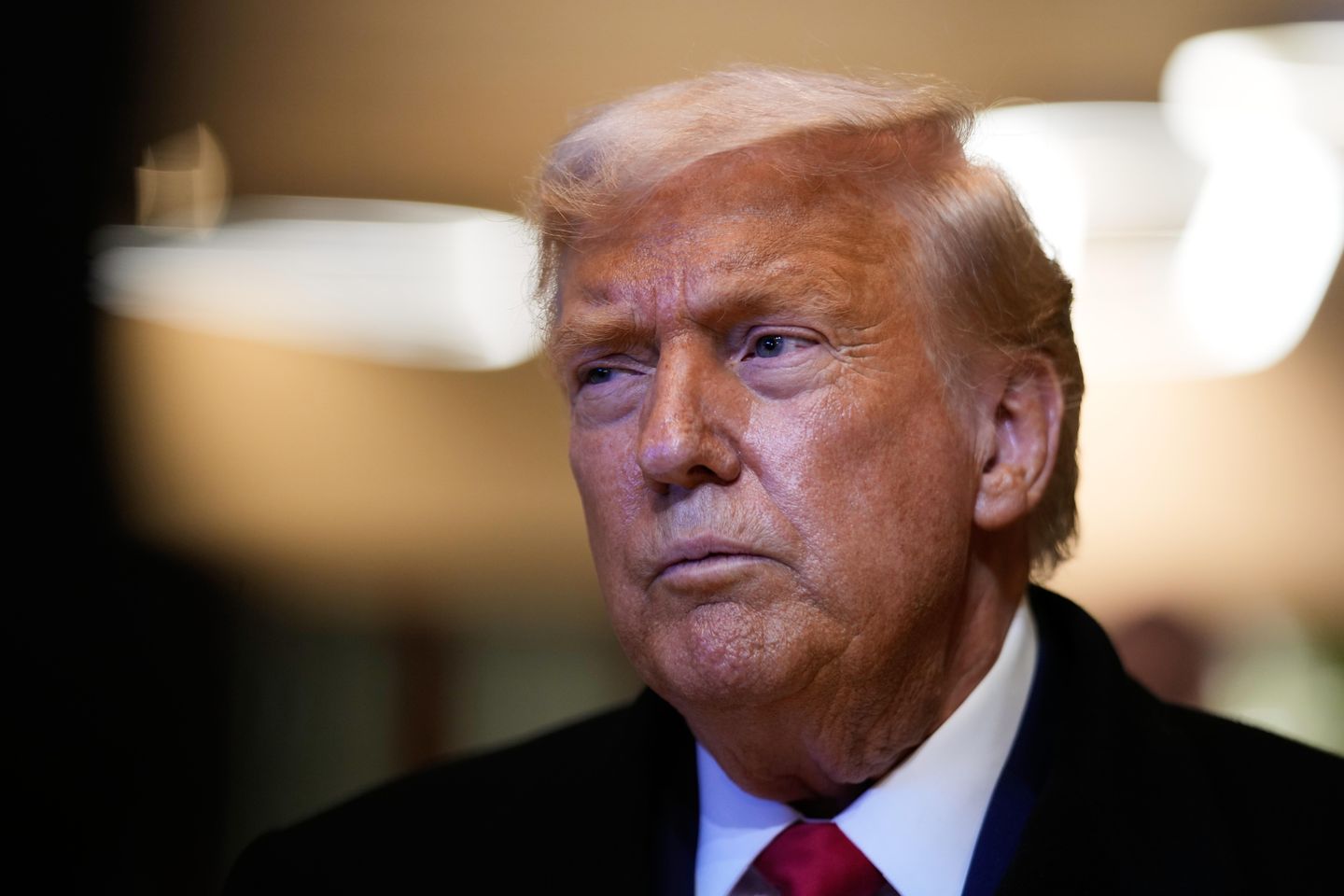
President Trump’s trip to Iowa on Tuesday marks a pivot to domestic issues in a make-or-break midterm year, after an intense focus on foreign trade and settling wars during the first 12 months of his term.
Mr. Trump will promote his economic and energy plans as voters say he has been too focused on overseas matters and not enough on their pocketbooks.
The president will also boost Rep. Zach Nunn, an Iowa Republican defending a swing seat this cycle.
The Iowa visit will kick off a series of weekly trips by the president during the midterm year, according to the White House. Cabinet officials will also travel more as part of the domestic policy blitz.
It’s a pivot from the start of the year, which featured a U.S. military raid on Venezuela and a trip to Davos, Switzerland, that resulted in a framework deal on Greenland access and the launch of the president’s international Board of Peace.
“The president has been so obsessed with foreign issues, ranging from Venezuela to Greenland to Iran, that the domestic agenda is so far back on the back burner that it’s barely lukewarm,” said Ross Baker, a politics professor at Rutgers University in New Jersey.
Mr. Baker also said high-profile shootings by federal immigration agents in Minneapolis will force Mr. Trump to “concentrate the mind powerfully on the tactics of federal law enforcement as they apply to U.S. citizens.”
The president won’t be far from Minnesota when he visits central Iowa on Tuesday.
Mr. Trump will visit a local business and deliver a speech in Clive, Iowa, on “affordability and on the economy,” White House press secretary Karoline Leavitt said.
“I know he very much looks forward to being there, to meeting with the great people of Iowa, but also lawmakers as well,” Ms. Leavitt said.
Democrats hope their own focus on affordability will allow them retake the House and Senate after November’s midterms.
It’s a reversal from 2024, when Mr. Trump rode a wave of angst over soaring inflation during the Biden years to win a second term.
Yet one year into Mr. Trump’s new term, Americans are telling pollsters that top priorities such as the economy and health care are being ignored.
Even before the Venezuela raid, a December CBS News poll found only 16% of Americans thought Mr. Trump was focused on domestic issues, while 28% thought he focused mostly on international matters and the rest thought he focused on both topics equally.
Only 37% of Americans approved of Mr. Trump’s handling of the economy, while a majority, 56%, thought he’d gone too far in using the U.S. military to intervene in other countries, according to a January AP-NORC poll.
“He’s really a foreign policy president and I think he’s doing that because he doesn’t want to talk about domestic issues,” Sen. Elissa Slotkin, Michigan Democrat, said on “PBS NewsHour” earlier this month. “He doesn’t have a plan for health care, he certainly doesn’t have a plan for housing.”
Mr. Trump has leaned into both issues in recent days, underscoring his pivot to bread-and-butter issues at home.
He released a health framework that calls on Congress to send health care money to patients directly, instead of the Obamacare model that sends subsidies to insurance companies.
He also ordered the administration to develop rules that would block institutional investors from purchasing single-family homes, enacting his latest proposal to address rising housing costs by freeing up more inventory.
Economists are largely mixed on whether the proposal will make a difference.
Institutional investors own about 2 to 3% of single-family homes in the U.S., largely in Southern Sun Belt cities.
Some economists say that amount isn’t enough to move the needle on affordability, while others argue 3% of the nation’s 85 million housing stock will open up a significant number of homes.
Mr. Trump also has proposed allowing Americans to withdraw money from their 401(k) retirement funds and has ordered Fannie Mae and Freddie Mac to purchase more than $2 billion in mortgage bonds.
Further, he proposed capping credit card interest fees at 10% for one year, co-opting a longtime Democrat proposal.
Mr. Trump said the high fees are reducing the amount of money Americans have available to spend on mortgages or make a down payment on a house.
The president promoted those ideas during his speech to Davos. It was largely overshadowed by his push for Greenland and disparagement of European allies, although the president predicted a big year back home.
“Growth is exploding, productivity is surging, investment is soaring, incomes are rising, inflation has been defeated,” Mr. Trump said in his address. “Just over one year ago, under the radical left Democrats, we were a dead country. Now we are the hottest country, anywhere in the world.”