Don’t miss the full story from our staff writers, whose reportage is the basis of this article.
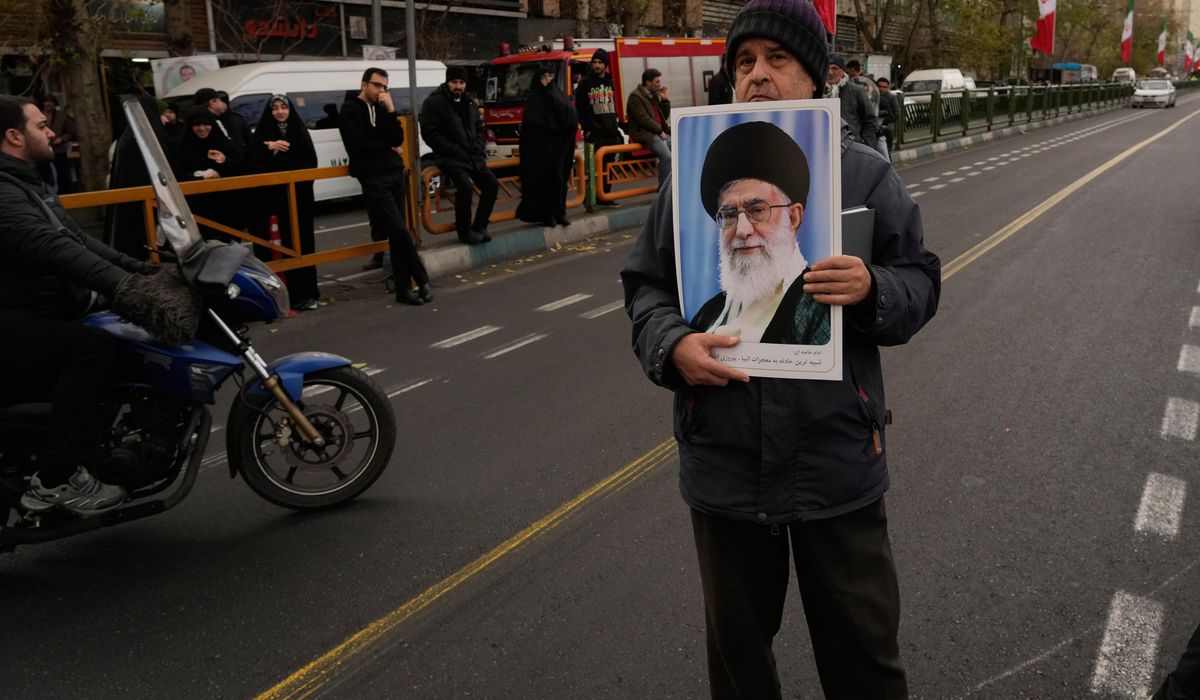
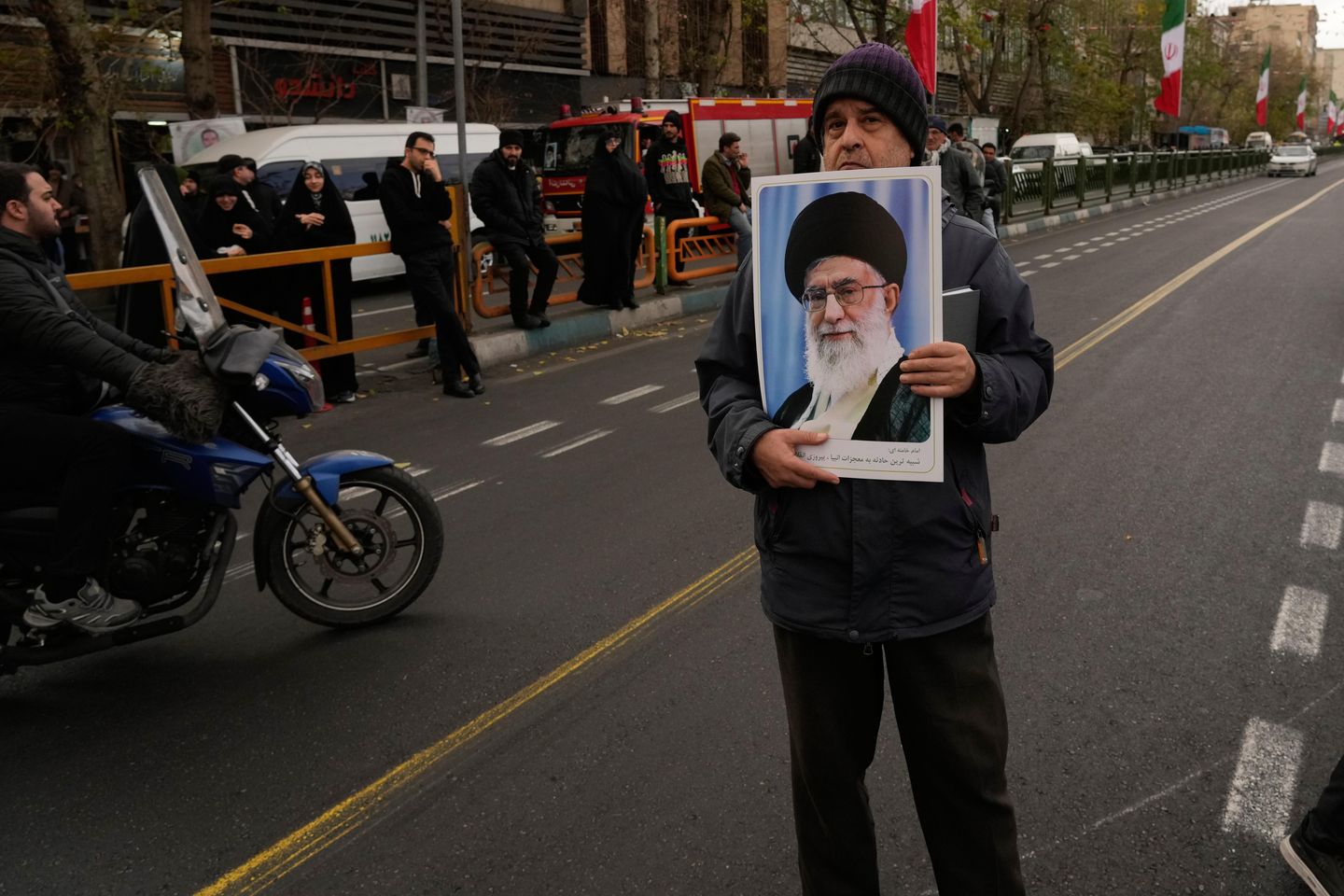
President Trump called for “new leadership” in Iran over the weekend, responding to Iranian Supreme Leader Ayatollah Ali Khamenei’s social media posts that blamed Trump personally for violent protests across Tehran and the deaths of thousands of Iranians. The rhetorical exchange comes amid heightened tensions and speculation about potential U.S. military action against Iran.
Tehran has experienced widespread protests over recent weeks, met with a brutal government crackdown that has resulted in thousands of deaths. While estimates vary widely, the U.S.-based Human Rights Activists News Agency verified at least 3,766 deaths, though some estimates exceed 10,000. The regime’s harsh response appears to have temporarily suppressed the demonstrations, with no major protests reported over the weekend.
Khamenei accused Trump of criminal interference, claiming the U.S. president personally encouraged protesters and promised military support. The 86-year-old ayatollah said this marked the first time a sitting U.S. president directly involved himself in Iranian internal affairs, distinguishing these protests from previous unrest.
Trump responded by criticizing Khamenei’s leadership, stating the ayatollah was guilty of “complete destruction of the country and the use of violence at levels never seen before.” The president emphasized that “leadership is about respect, not fear and death,” and suggested Iran needed new leadership to function properly.
This confrontation continues a pattern of direct conflict between Trump and Iran. During his first term, Trump ordered the killing of Iranian General Qassem Soleimani, nearly triggering war. Last June, Trump authorized airstrikes on three Iranian nuclear facilities, prompting Iran to attack the al-Udeid Air Base in Qatar, though U.S. defenses repelled the assault without casualties.
Throughout the recent protests, Trump encouraged demonstrators and publicly discussed potential military strikes against Iran. The prospect of such action appeared to diminish after Iran chose not to execute hundreds of protesters as threatened.
Iranian President Masoud Pezeshkian warned that any U.S. action targeting Khamenei would constitute “all-out war against the Iranian nation.” However, questions remain about whether strikes short of removing the supreme leader could produce meaningful change, given his position as Iran’s ultimate decision-maker.
Rep. Jim Himes, ranking Democrat on the House Intelligence Committee, expressed skepticism about the effectiveness of military strikes, noting that street-level repression involves armed forces that wouldn’t necessarily be affected by attacks on Iran’s navy or air bases.
Despite the crackdown’s apparent success, some Iranians reportedly chanted anti-Khamenei slogans from their homes Saturday night in Tehran, Shiraz and Isfahan.
This article is written with the assistance of generative artificial intelligence based solely on Washington Times original reporting and wire services. For more information, please read our AI policy or contact Steve Fink, Director of Artificial Intelligence, at sfink@washingtontimes.com
The Washington Times AI Ethics Newsroom Committee can be reached at aispotlight@washingtontimes.com.