Don’t miss the full story from our staff writers, whose reportage is the basis of this article.
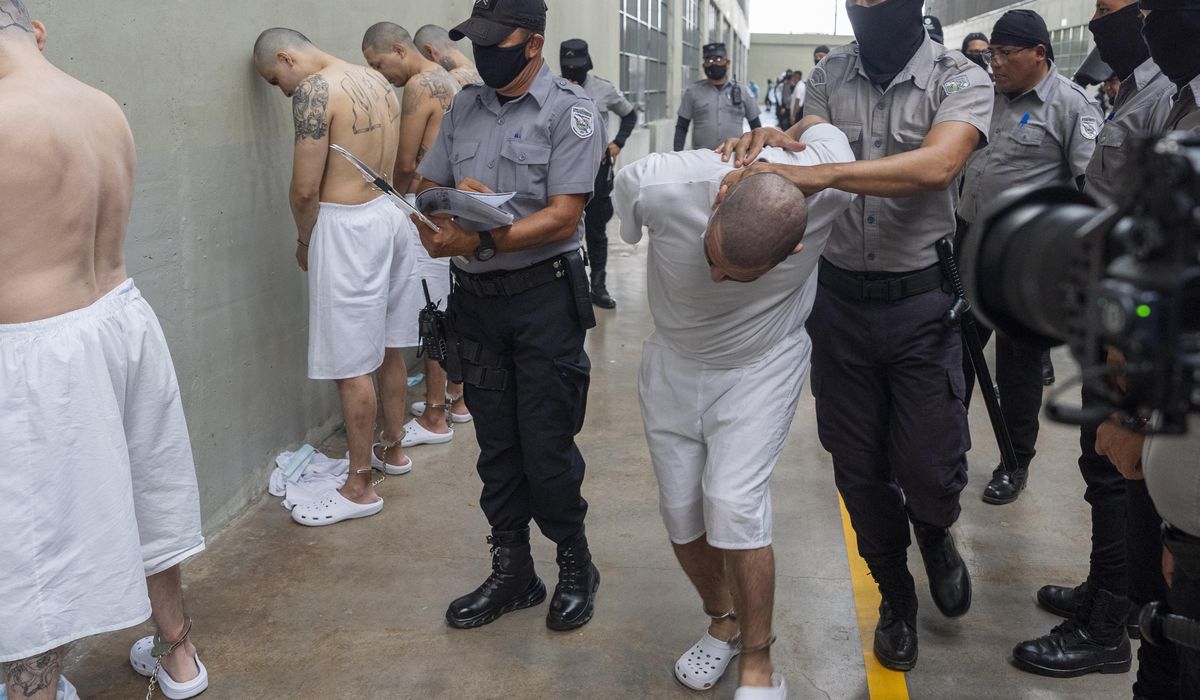
President Trump has dramatically expanded the State Department’s Foreign Terrorist Organization (FTO) list, adding 25 groups in less than a year—more than any previous administration added in four years. This unprecedented expansion represents a significant shift in how the U.S. defines terrorism, stretching beyond traditional ideologically motivated groups to include drug cartels and transnational gangs like MS-13 and Tren de Aragua.
The president’s approach focuses on results rather than traditional definitions, arguing that the tens of thousands of Americans killed by fentanyl annually far exceed deaths from radical Islamic terrorism. Of the 25 groups added, 15 operate in the Western Hemisphere—nearly double the total from the previous five administrations combined. Since the FTO list’s creation in 1997, no president had ever added more than six groups in a single year.
The State Department defends the rapid expansion, with spokesperson Tommy Pigott stating they’re “moving at the speed of relevance” in response to evolving threats. He criticized past administrations for allowing “malaise, incompetence and bureaucratic hesitation” to prevent appropriate designations.
However, experts warn this expansion could dilute the list’s power and undermine its status as an international standard. Thomas Brzozowski, former Justice Department counsel for domestic terrorism, notes that drug cartels are primarily profit-motivated rather than seeking to terrorize, making their designation a significant departure from traditional terrorism law. He argues existing tools like the Foreign Narcotics Kingpin Designation Act already address cartel activities.
The practical implications are already visible. The terrorism watch list has grown substantially, with border encounters involving listed individuals jumping from dozens monthly to nearly 1,000 in October and November. Experts attribute this surge not to increased terrorist infiltration but to reclassification of previously non-flagged individuals.
Critics worry about unintended consequences. Since nearly every migrant crossing from Mexico pays fees to cartel factions now designated as terrorist organizations, zealous prosecutors could potentially charge migrants or those helping them with providing material support to terrorism. Financial institutions must also implement new controls to avoid holding cartel-linked assets, potentially leaving some regions without banking services.
The administration has already broken new ground by sanctioning individuals connected to designated groups, including a performer who allegedly dedicated income to Tren de Aragua and a rapper who purportedly shared streaming proceeds with Cartel del Noreste.
Some designations remain controversial, particularly the Cartel de los Soles, which experts say isn’t actually a cartel but rather a nickname for corrupt Venezuelan military officials.
Read more: Trump is seeing terrorists in surprising new places
This article is written with the assistance of generative artificial intelligence based solely on Washington Times original reporting and wire services. For more information, please read our AI policy or contact Ann Wog, Managing Editor for Digital, at awog@washingtontimes.com
The Washington Times AI Ethics Newsroom Committee can be reached at aispotlight@washingtontimes.com.