The Treasury Department has announced a new effort to free houses of worship to get more directly involved in politics without having to worry about the IRS coming after them.
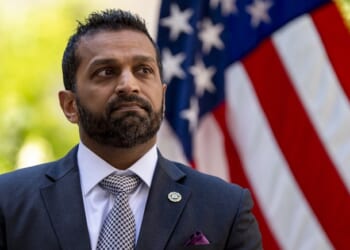
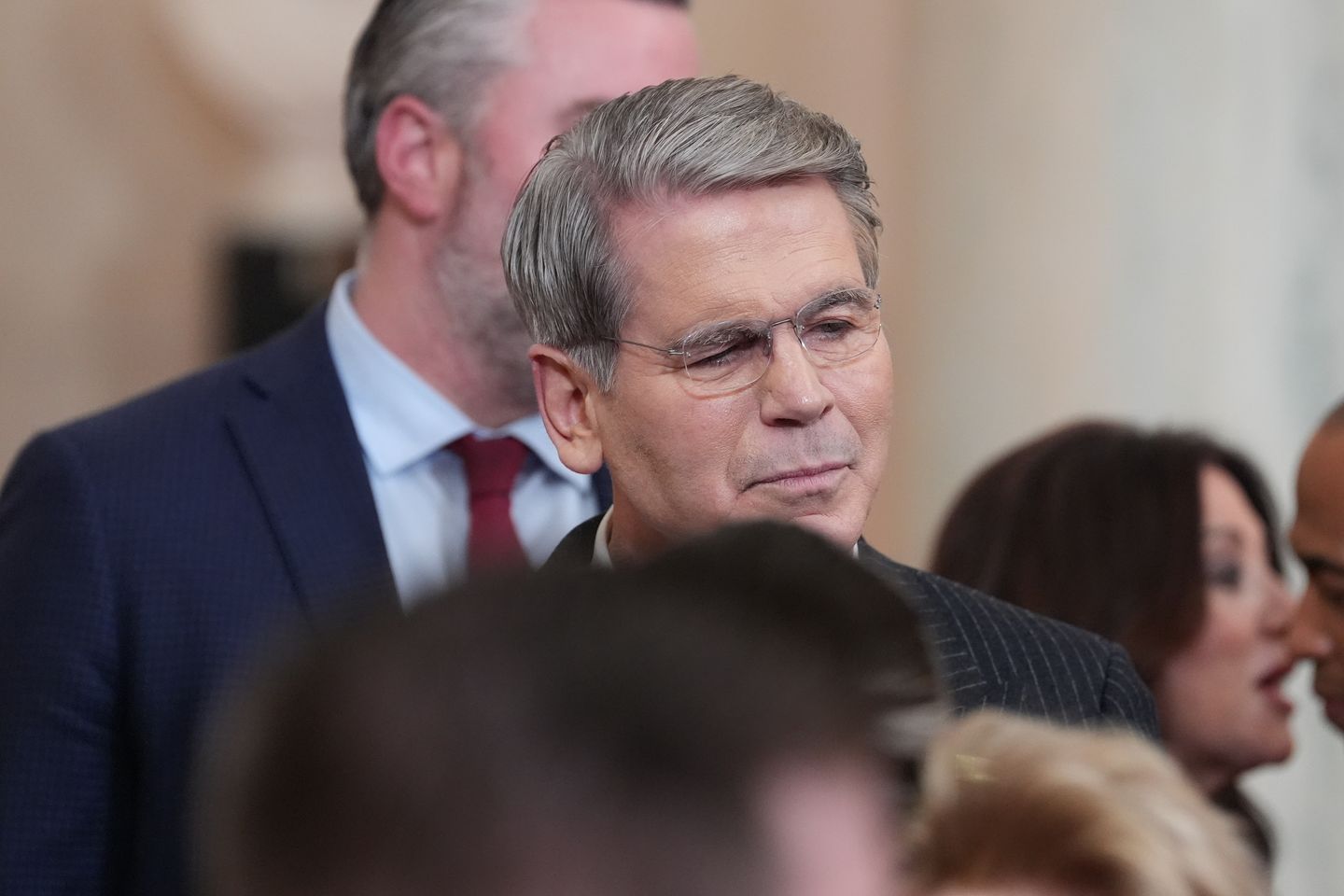
Secretary Scott Bessent said the department will “provide additional clarity” about what sort of political speech is allowed.
The announcement Friday came just days after a federal judge rejected a consent decree that would have overturned longstanding IRS rules forbidding houses of worship from directly intervening in campaigns for office.
The Treasury Department said that decree would bring the clarity churches, mosques and temples need — but without it, the department will make an attempt on its own.
“As many Americans gather to observe Holy Week and Passover, President Trump and this administration continue to protect religious freedom as a fundamental right in principle and in practice as our laws are applied,” Mr. Bessent said.
The department’s goal is to have guidance later this year.
Federal elections are slated for November, and Mr. Bessent also said it would be fitting to have new guidelines in honor of the 250th commemoration of the Declaration of Independence this year.
The ban on churches and other religious institutions that have tax-exempt status directly advocating for or against a political candidate dates back to 1954 and the Johnson Amendment, named for its sponsor, then-Sen. Lyndon Johnson.
The policy has long been a target for conservative Christian groups.
National Religious Broadcasters sued over the policy in 2024.
Last year, when the Trump administration took over, it reached a settlement to carve out an exception to the policy when it came to clergy making statements about candidates during official religious services. Both sides said the clergy had free speech rights that were being trampled by the Johnson Amendment.
But Judge J. Campbell Barker, a Trump appointee, rejected the consent decree on Tuesday, ruling he lacked the jurisdiction to accept the settlement under the Anti-Injunction Act, which generally bars lawsuits over tax liability.
The broadcasting organization said it will appeal.
Ralph Reed, founder of the Faith & Freedom Coalition, called the Johnson Amendment “a zombie that is already dead” but which will “stagger on until it meets its richly deserved end at the hands of a higher and wiser court.”
But the amendment’s backers said there are good reasons to keep a division between religion and political life, saying that since houses of worship benefit from tax breaks and, unlike other charities, don’t have to report their finances, they shouldn’t be allowed to engage in politicking.
“Nonprofits exist to serve the common good, not partisan politics,” said Diane Yentel, CEO of the National Council of Nonprofits.
Enforcing the Johnson Amendment has proved tricky, with some houses of worship trampling on an admittedly murky line between talking about politics and embracing a specific candidate.