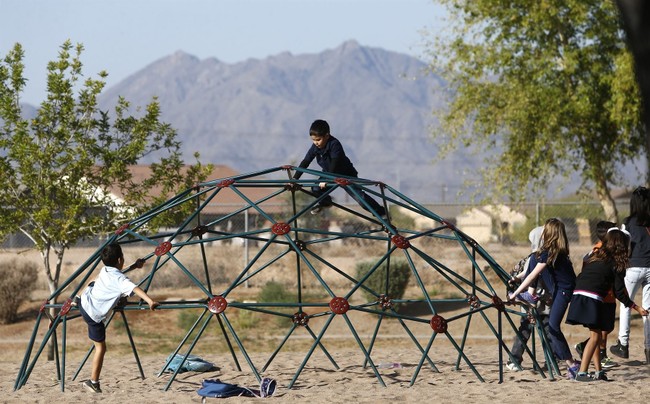
Back when I was a kid, we lived an adventure every day, even way back in the country where I was raised. Maybe especially there. We roved. We disappeared for hours. We were pirates and Indians, Jedi Knights and heroic warriors, damsels in distress (my dolls, not me), and brave rescuers from dragons, towers, and evil sorcerers. Cats became tigers. Creeks became raging rapids. The woods were vast and unknown, dark and dangerous. Cows became monsters, deer unicorns.
We explored. We rescued animals for real, usually from those same cats, who were absolute demons when it came to chipmunks and baby rabbits. We created stories and games that stretched across days, sometimes weeks, evolving as we did.
It looked like play. It was play. But it was also something more. It was preparation, a rehearsal for the adult world we would enter in only a few short years.
We learned courage by scraping our knees and getting back up. We learned responsibility by tending injured animals, whether they survived or not, and we buried and mourned those critters who died. We learned about fear and pain, limits and risk, about what happened when you pushed yourself too far and what happened when you didn’t push yourself at all. No one called it a Hero’s Journey. No one needed to. We were living it.
Today’s children are different, not because they are weaker or less imaginative, but because childhood itself has been radically transformed.
What the Hero’s Journey Really Is
At its core, the Hero’s Journey is not complicated. Stripped to essentials, it consists of three movements: descent, transformation, and return.
First comes descent, the step away from safety and certainty. The child leaves the protected world and enters one where failure has consequences and effort matters.
Then comes transformation, the stage our culture now avoids at all costs. This is the chrysalis moment. Growth is invisible, uncomfortable, and irreversible. Pressure reshapes the self. A child does not merely learn during this stage. A child becomes.
Finally comes return. The world recognizes the change. The child is no longer treated as a child because the child no longer is one.
In this individual version of the Hero’s Journey, play is rehearsal for the transformation from child to adult. The more often children practice descent and recovery through real, unsupervised play, the more natural the final change becomes.
Historically, children did not navigate this passage alone. Communities supported the journey and marked it clearly. External changes, especially clothing, reflected internal readiness. Children dressed as children. Little boys wore gowns (just like girls) or short pants or overalls. Little girls dressed in pinafores or midi dresses or blue jeans. They did chores. As responsibilities increased, so did expectations. Roles within the family shifted. Older children were trusted with real work and meaningful responsibility. Mistakes were expected. Failure was instructive. Adults supervised without hovering.
What mattered was not the specific tradition but the structure behind it, a structure that seemed ancient and sacred to a child. Inner change always came first. Outer recognition of that change followed, along with growing respect.
Even as formal rites of passage faded in the twentieth century, the need for transformation did not. It expressed itself through youth culture which became increasingly guided by the youths themselves, not the adults. Bobby-soxers in the 1950s. Hippies in the 1960s. Punk, metal, and new wave in the 1970s and 1980s. These movements were loud, oppositional, and sometimes foolish, but they were understood as phases. Everyone knew the difference between a bridge and a destination.
Youth culture allowed experimentation without denying adulthood. You grew out of it. You moved on.
That clarity has since dissolved.
How Childhood Was Redefined
At the same time youth culture hardened into identity, childhood itself was quietly enclosed. Unstructured outdoor play gave way to constant supervision. Children stopped roaming neighborhoods and started rotating through tightly scheduled activities. In the overanxious adult’s eyes, risk became danger. Discomfort became harm. Failure became a crisis requiring adult intervention.
In the 90s, electronic entertainment moved indoors and then into pockets. Digital playgrounds replaced real ones. Stimulation replaced challenge while simulation crowded out experience. Helicopter parenting followed, driven by fear. Adults inserted themselves into conflicts children once resolved on their own. Childhood was padded, curated, and managed.
The result was not a gentler childhood, but a thinner one. By adolescence, the consequences emerge. Children arrive at the age of transformation without having rehearsed it. They have not practiced descent or recovery. Yet the need to become, to transform, does not wait.
With adulthood deferred and no clear path forward, transformation turns outward.
External, not Internal, Transformation
When internal change is delayed or absent, the child still craves that external marker that shows he is now an adult; in fact, the need to look different becomes extreme. Hair is not just dyed, like in the pastel 80s, but electric blue, neon green, rainbow-striped, shaved and sculpted into shapes more radical than anything normalized even in the punk scenes of the 1980s and 1990s. Clothing is deliberately destabilizing, rejecting any readable signal of maturity. Kids often adhere to fandoms like furry culture, adopting tails and fluffy ears.
Body modification escalates. Tattoos migrate to faces and necks. Scarification replaces ink. Ears are stretched with oversized plugs until the body itself is permanently altered. These are not adornments. They are declarations.
We’ve always seen some of this. A single tattoo was a mark of rebellion and wildness. Smoking cigarettes at one time was a visible marker of transformation toward adulthood. But I think this is the most extreme we’ve ever seen this sort of thing.
Perhaps the most striking contemporary transformation is how often girls deliberately make themselves ugly, rejecting beauty not accidentally, but as a moral stance. What once would have been a phase is now treated as a permanent identity, often with permanent modifications like facial tattoos or obvious piercings.
None of these things are rebellions against adulthood, though traditionally that’s how they are explained. They are, rather, attempts to simulate it.
From Expression to Assertion
This escalation culminates in the most extreme claim of all: that altering one’s external sexual presentation constitutes real transformation.
It is worth noting that the explosion of gender dysphoria cases overwhelmingly coincides with adolescence. This is not incidental. Puberty is precisely the stage when transformation has always been most intense, when the pressure to become something more than a child accelerates. The clustering of dysphoria at this moment strongly suggests not an innate discovery suddenly revealed, but a misdirected attempt at transformation, offered a surface-level shortcut at the exact point when deep internal change should be taking place.
Where the Hero’s Journey demands inner change over time, something has to give. Even reality must yield. The chrysalis is skipped. The wings are asserted into existence.
Children are not foolish for reaching for this. They are responding rationally to what adults and institutions now reward.
The real tragedy here is that surface-level transformation changes symbols without strengthening the person beneath them. Nothing real has been tested, and nothing real can be relied upon. Confidence gives way to fragility. Identity requires constant reinforcement. Disagreement feels like erasure. Ordinary setbacks register as trauma.
These young people are adults in age, but they are still waiting for a journey they were never allowed to rehearse.
Restoring the Path
This is not a failure of children. It is a failure of adults. We replaced unstructured play with close, smothering supervision, risk with management, exploration with electronic screens, and formation with affirmation. In doing so, we dismantled the machinery of growing up and then, insanely, applauded children for building substitutes.
A real childhood is not a holding pen. It is a forge. It gives children room to roam, to fail, to recover, and to try again. Most importantly, it allows them to fail while the consequences are still small, instructive, and survivable.
Children need space to stretch before they are expected to fly. They need time to dry their wings, to test their strength, to misjudge a leap and learn from the scraped knees and broken bones. What we are doing now cripples them before they ever spread their wings for the first time.
Adulthood is not a costume or a claim or even an age. It is something earned, slowly, through becoming.
If we want resilient adults, we must stop sabotaging the journey that creates them and remember that the most loving thing adults can do is not to shield children from transformation, but to guide them toward it, then step back and let it happen.
Editor’s Note: Help PJ Media keep bringing you great information and stories that will make you think and keep you informed. Join PJ Media VIP and use the promo code FIGHT to get 60% off your VIP membership!