Hundreds of teenagers swarmed Chicago’s Hyde Park neighborhood on the night of March 30, climbing on parked vehicles and moving through intersections in the latest in a series of so-called “teen takeovers” that have prompted concern from city officials across the country.
Residents say the crowds gathered late into the night, with some teens seen stomping and walking on cars. One resident, Jason Hale, said the chaos lasted for hours and that his car was one of about 30 vehicles damaged.
“Yeah, it’s bad. The hood is messed up, terrible. A thousand worth of damage, dents everywhere, footprints everywhere,” Mr. Hale told FOX 32 Chicago.
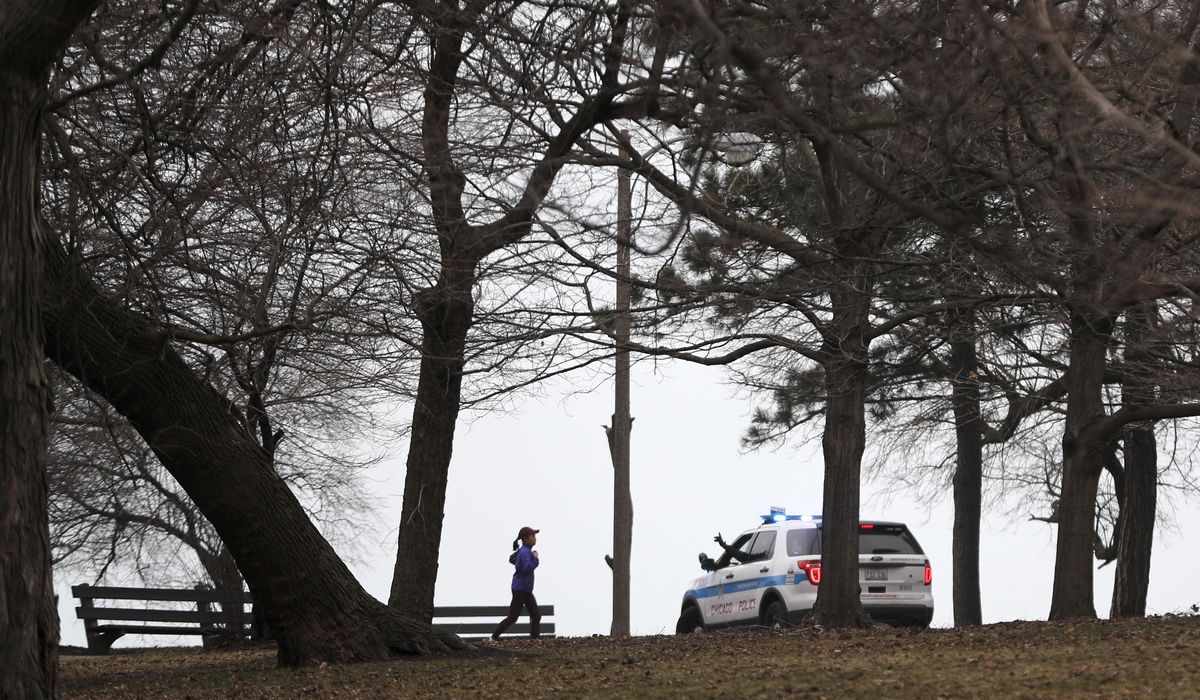
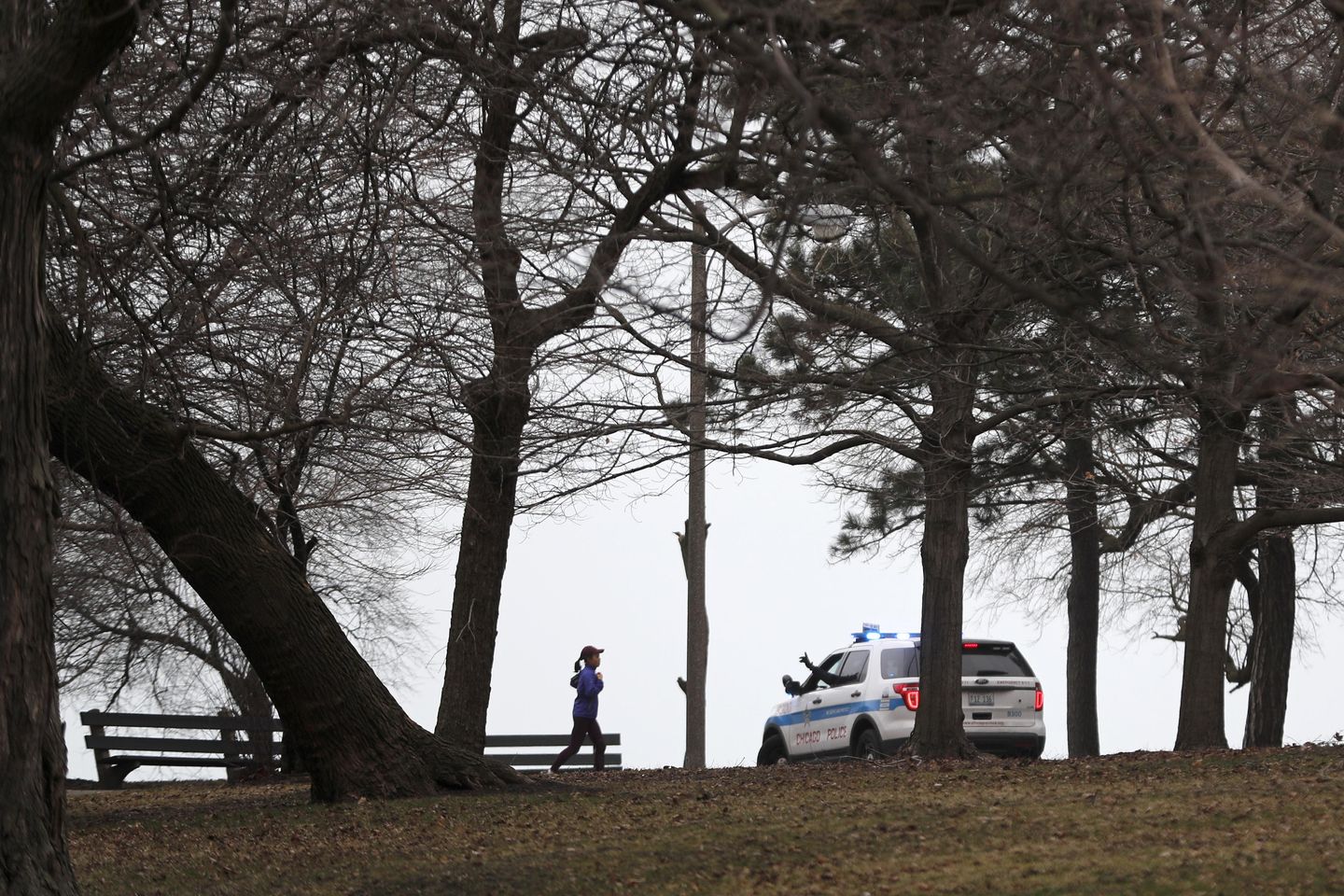
Chicago Police Department officers were on scene and walked with the teens during part of the evening, trying to keep order. Once the 10 p.m. curfew went into effect, police cited three people for curfew violations. A 16-year-old girl was arrested and charged with unlawful possession of a weapon, disorderly conduct and failure to obey police.
Justin Peters, founder of Chitown Crime Chasers, was at the scene with a team attempting to keep the peace. At one point, his team rushed to render aid to an eighth-grade boy who had been beaten.
“He was scared. He was crying. He was confused. He just wanted to go home,” Mr. Peters said. “We’ve been urging for more parents to just step up and have conversations with their kids about these takeovers, the crowds they hang with, the things they do and activities that they do.”
Mayor Brandon Johnson called the gatherings “teen trends” and warned they can turn deadly, saying he wants young people to be able to gather in the city but not behave irresponsibly. “Parents and guardians, I need your assistance in knowing where your children are at all times,” Mr. Johnson said.
Mr. Johnson has so far rejected proposals to modify the existing 10 p.m. curfew to give police more enforcement flexibility. The Chicago City Council passed a revised ordinance last year that would have allowed police to impose a curfew earlier than 10 p.m. when large, disruptive events take place, but Mr. Johnson vetoed the measure.
The Hyde Park incident was not an isolated one in Chicago. Just days earlier, hundreds of young people had gathered in the Loop, resulting in eight arrests and 24 curfew violations, with renewed calls for a stricter curfew ordinance.
The disorder extended beyond Chicago that same week. At Bayshore Mall in Glendale, Wisconsin, on March 29, police who had been alerted to social media posts about a planned takeover increased their presence ahead of time, but hundreds of teens still arrived and several fights broke out, including one that spilled onto a busy road. Thirteen people were arrested. Glendale Mayor Bryan Kennedy said the events cannot be treated as routine.
“We cannot normalize this,” Mr. Kennedy said. “We cannot shrug it off as a trend.”
Law enforcement agencies in multiple cities have begun closely monitoring social media for posts advertising planned gatherings, using the lead time to deploy additional resources in hopes of preventing the events from gaining traction.
The gatherings have prompted wider questions about curfew policy, how to provide alternatives for teenagers and the role of parents. Mr. Hale said Chicago’s leaders need to act before the situation worsens.
“You need to develop a plan now to tackle it and stop it from happening. This can’t happen, because it’s going to get worse, and there’s going to be a really big crisis,” he told ABC 7.
This article was constructed with the assistance of artificial intelligence and published by a member of The Washington Times’ AI News Desk team. The contents of this report are based solely on The Washington Times’ original reporting, wire services, and/or other sources cited within the report. For more information, please read our AI policy or contact Steve Fink, Director of Artificial Intelligence, at sfink@washingtontimes.com
The Washington Times AI Ethics Newsroom Committee can be reached at aispotlight@washingtontimes.com.