AL-HASSAKEH, Syria — An international humanitarian organization has warned that supplies are running out at a camp in northeast Syria housing thousands of people linked to the Islamic State group, as the government struggles to establish control over an area formerly controlled by Kurdish fighters.
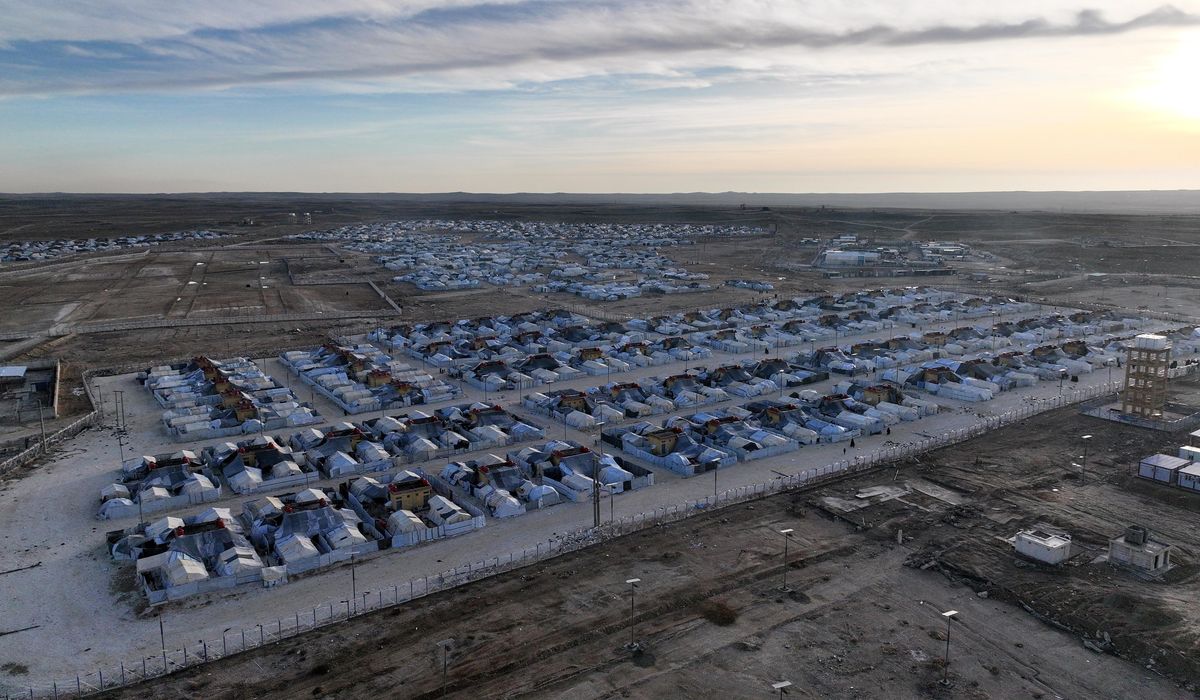
The late Friday statement from Save the Children came a week after government forces captured al-Hol camp, which is home to more than 24,000 people, mostly children and women, including many wives or widows of IS members.
The capture of the camp came after intense fighting earlier this month between government forces and members of the Kurdish-led and U.S.-backed Syrian Democratic Forces, during which forces loyal to interim President Ahmad al-Sharaa captured wide areas in eastern and northeastern Syria.
The SDF signed a deal to end the fighting after suffering major defeats, but sporadic clashes between it and the government have continued.
Save the Children said that “critical supplies in al-Hol camp are running dangerously low” as clashes are blocking the safe delivery of humanitarian aid.
It added that last week’s clashes around the camp forced aid agencies to temporarily suspend regular operations at al-Hol. It added that the main road leading to the camp remains unsafe, which is preventing humanitarian workers from delivering food and water or running basic services for children and families.
“The situation in al-Hol camp is rapidly deteriorating as food, water and medicines run dangerously low,” said Rasha Muhrez, Save the Children Syria country director. “If humanitarian organizations are unable to resume work, children will face still more risks in the camp, which was already extremely dangerous for them before this latest escalation.”
Muhrez added that all parties to the conflict must ensure a safe humanitarian corridor to al-Hol so basic services can resume and children can be protected. “Lives depend on it,” she said.
U.S. forces have begun transferring some of the thousands of accused IS militants held in prisons in northeast Syria to Iraq, where they will stand trial, but the future of the camps housing militants’ wives and children remains in question.
The SDF announced a new agreement with the central government on Friday, aiming to stabilize a ceasefire that ended weeks of fighting and lay out steps toward integrating the U.S.-backed force into the army and police forces and integrating civilian institutions in the SDF-controlled areas into the central government.
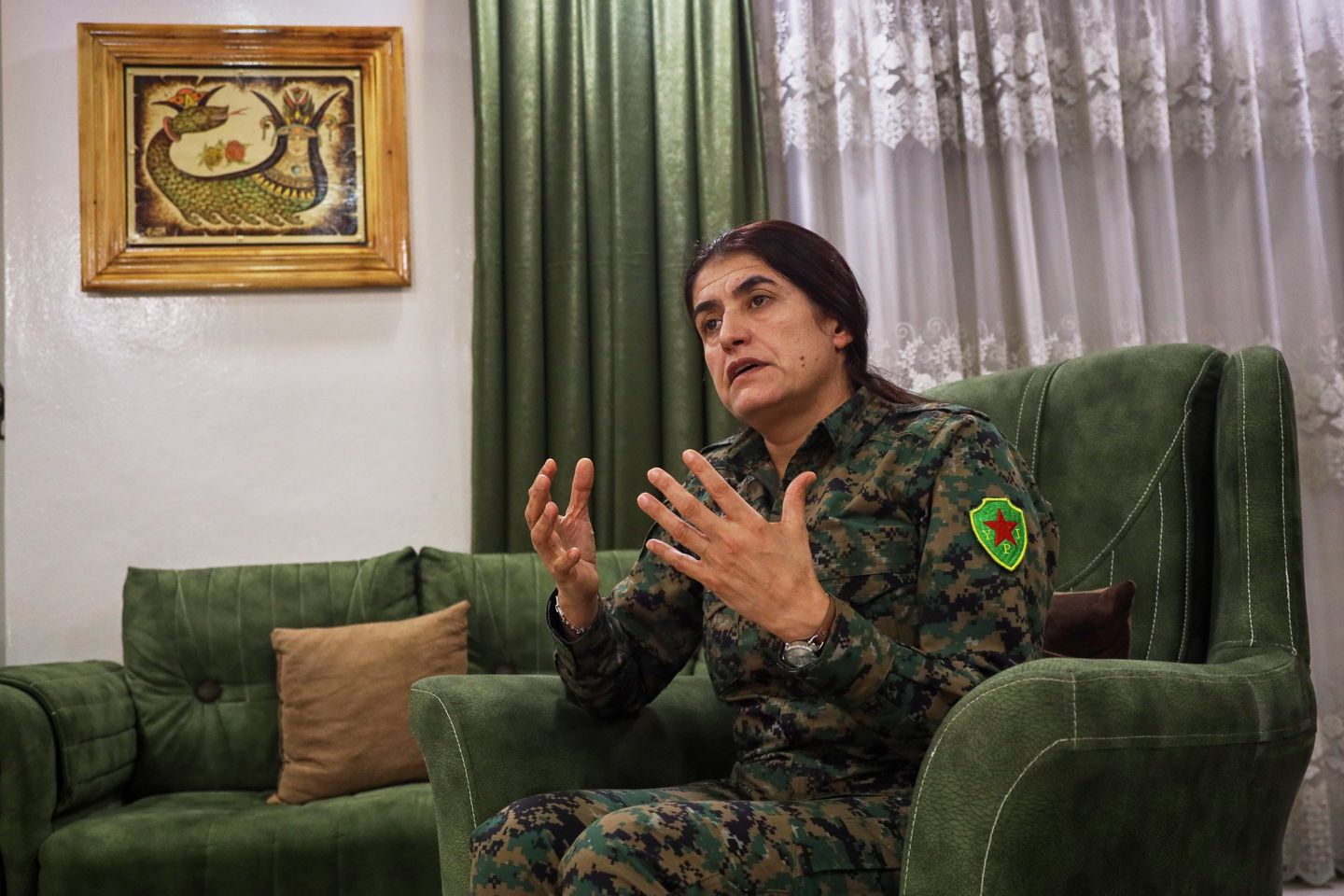
Rohilat Afrin, general commander of the SDF’s Women’s Protection Units, or YPJ, told The Associated Press in an interview Saturday that implementation of the integration deal will begin Monday, with the entry of some government security forces into the Kurdish-majority cities of Qamishli and al-Hassakeh.
“Only a limited number of government security forces will enter to oversee the integration of institutions, after which they will withdraw” while army units from outside of the Kurdish region will not enter Kurdish-majority areas, she said.
The main mission of the security forces entering the cities will be “to secure state-affiliated institutions such as the civil registry, passport offices and the airport, and to restart these institutions,” Afrin said. Local police forces will continue to provide security in the cities.
Both sides will have coordination committees, which will meet to “determine the integration plan and establish the appropriate timing and mechanisms,” she said.
The deal agreed upon between the SDF and Damascus stipulates formation of a new military division under the command of the Syrian defense ministry consisting of three brigades of SDF fighters in Hassakeh province, in addition to the formation of a brigade of SDF fighters within a division in Aleppo province.
There was no reference in the agreement to the future of the SDF’s all-female fighting units – a sensitive point as many of the Damascus leaders come from a conservative background and are opposed to women in combat.
Afrin said the Women’s Protection Units “will join the brigades that will be established and maintain their independence within these brigades.”
The central government has said that former SDF fighters will be approved to join the new brigades on a case-by-case basis, following security vetting. The agreement also stipulates the withdrawal of militants from the Kurdistan Workers’ Party, or PKK – a Kurdish separatist movement that has waged a long-running insurgency in Turkey – from Syria.
The Syrian foreign ministry said in a statement that the expected time frame for fully implementing the agreement is a maximum of one month, while during the same period, the U.S. is expected to complete the transfer of IS prisoners to Iraq.
“During this period, security, military, and civilian integration will take place, and the state will assume control of border crossings, oil fields, and Qamishli Airport, in addition to appointing nominated officials,” the statement said.
It said that developing “mutual trust” will be a challenge, adding, “We hope that the commencement of actual implementation will contribute to strengthening this trust, paving the way for the completion of the agreement and integration, thus achieving a common interest for all parties, and above all, for Syria and the Syrian people.”