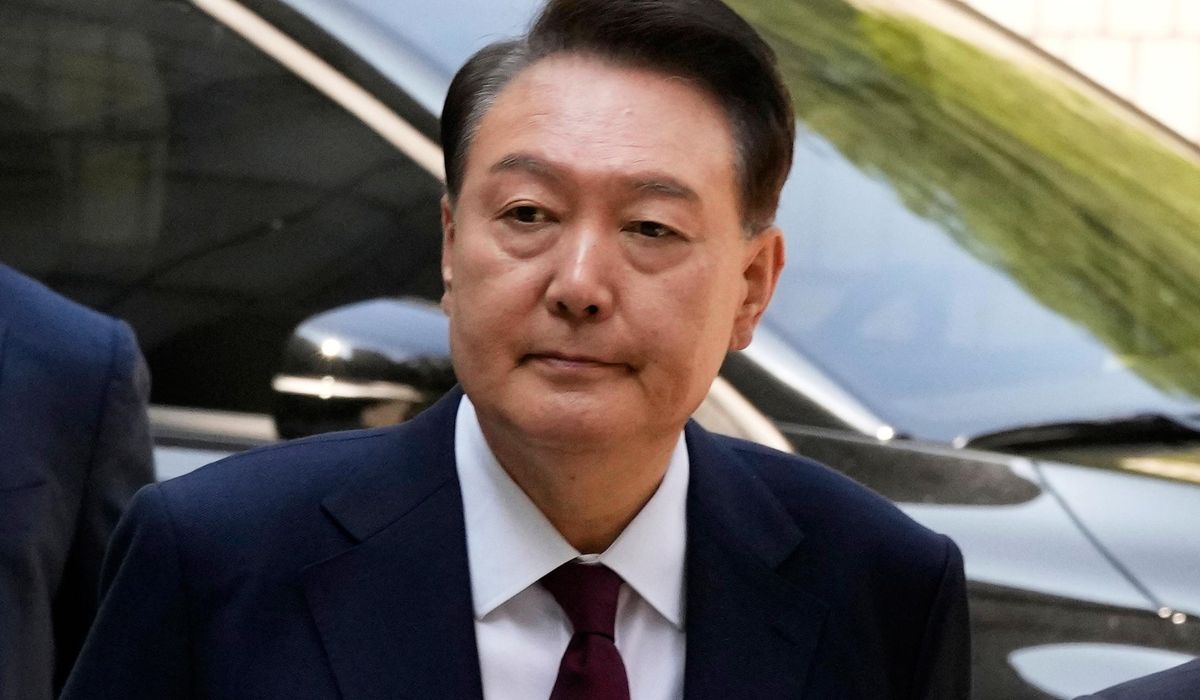
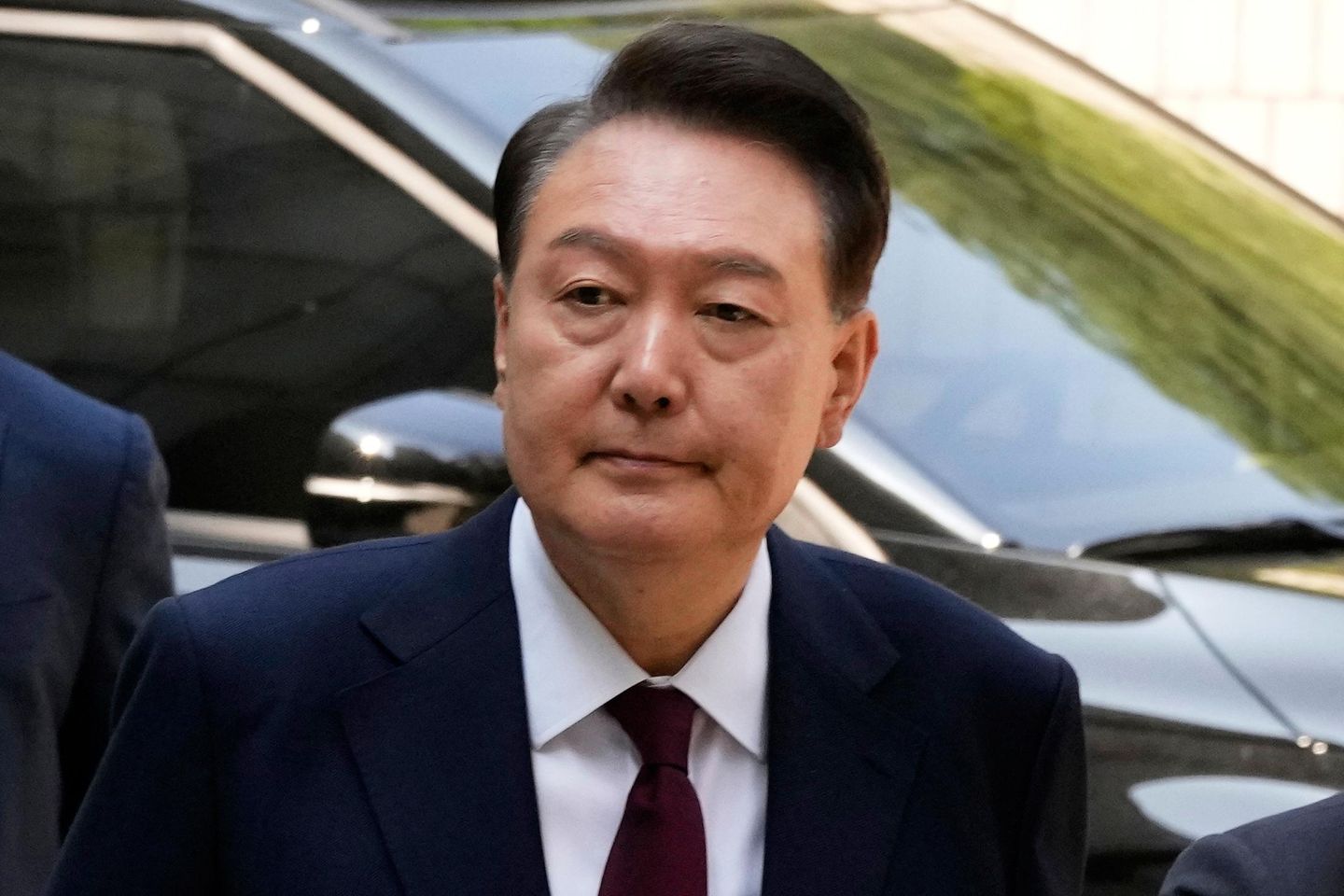
SEOUL, South Korea — Prosecutors on late Tuesday formally requested the death sentence for Yoon Suk Yeol, the former president of South Korea forced out of office last year after a short-lived attempt to declare martial law in December 2024.
A judge’s decision is expected in February on the request. If the sentence passes judicial muster — which is in question — it would be South Korea’s first execution since 1997.
Prosecutors said Mr. Yoon committed insurrection with his martial law decree.
“Yoon … claims to have committed emergency martial law to protect liberal democracy, but his unconstitutional and illegal [action] undermined the function of the National Assembly and the Election Commission … actually destroying the liberal democratic constitutional order,” a special counsel prosecutor told Seoul Central District Court.
“The defendant has not sincerely regretted the crime … or apologized properly to the people,” the prosecutor said.
Mr. Yoon, 65, maintains his innocence, and his supporters accuse Mr. Yoon’s successor, President Lee Jae-myung, of orchestrating a sweeping political purge of Mr. Yoon’s conservative-leaning, anti-communist supporters across all walks of South Korean life.
The liberal Mr. Lee took power in June’s snap presidential election, following the impeachment of the conservative Mr. Yoon.
Mr. Yoon’s administration said martial law was declared in part to probe allegations of electoral interference by anti-state forces and to investigate the obstructionism Mr. Yoon faced in the opposition-controlled National Assembly, led by Mr. Lee.
On the night of Mr. Yoon’s declaration, angry citizens rallied and Mr. Lee led predominantly opposition politicians through, around and over police and special forces cordons and into the legislative hall, where they voted down martial law three hours after its declaration.
Mr. Yoon’s fortunes have plummeted since. Both he and his wife, Kim Keon-hee, are in separate cells facing separate charges. She is facing corruption charges. He is facing eight separate trials, brought by different prosecutorial bodies.
Most seriously, martial law, which dredged up dark memories of the military regimes that ruled South Korea from 1961 to 1987, has been judged as insurrection against democratic order.
Investigators also allege that a South Korean drone operation over Pyongyang in November 2024 was designed to raise cross-border tensions, thereby underwriting martial law the following month.
Mr. Yoon’s tribulations reflect why “Ex-president of South Korea” is one of the riskiest titles in global politics. In an endless cycle of revenge, incoming administrations customarily aim all judicial barrels at predecessor presidents.
Since national establishment in 1948, one former president has died by suicide, one has been exiled, one has been sentenced to death and one to life imprisonment. Two have been jailed, while two others have seen their children suffer judicial punishment.
However, these sentences have been reduced via appeal and/or presidential pardon.