U.S. and Russian diplomats have yet to hold talks regarding the expiring Strategic Arms Reduction Treaty, Russian Foreign Minister Sergey Lavrov announced Tuesday.
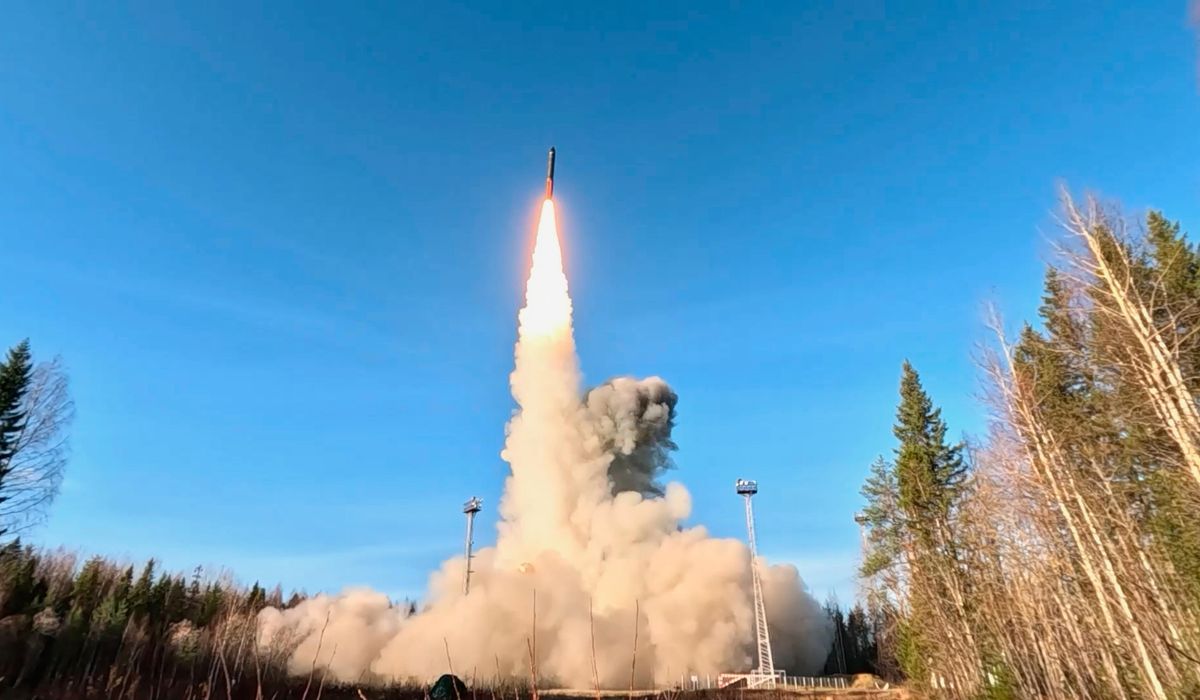
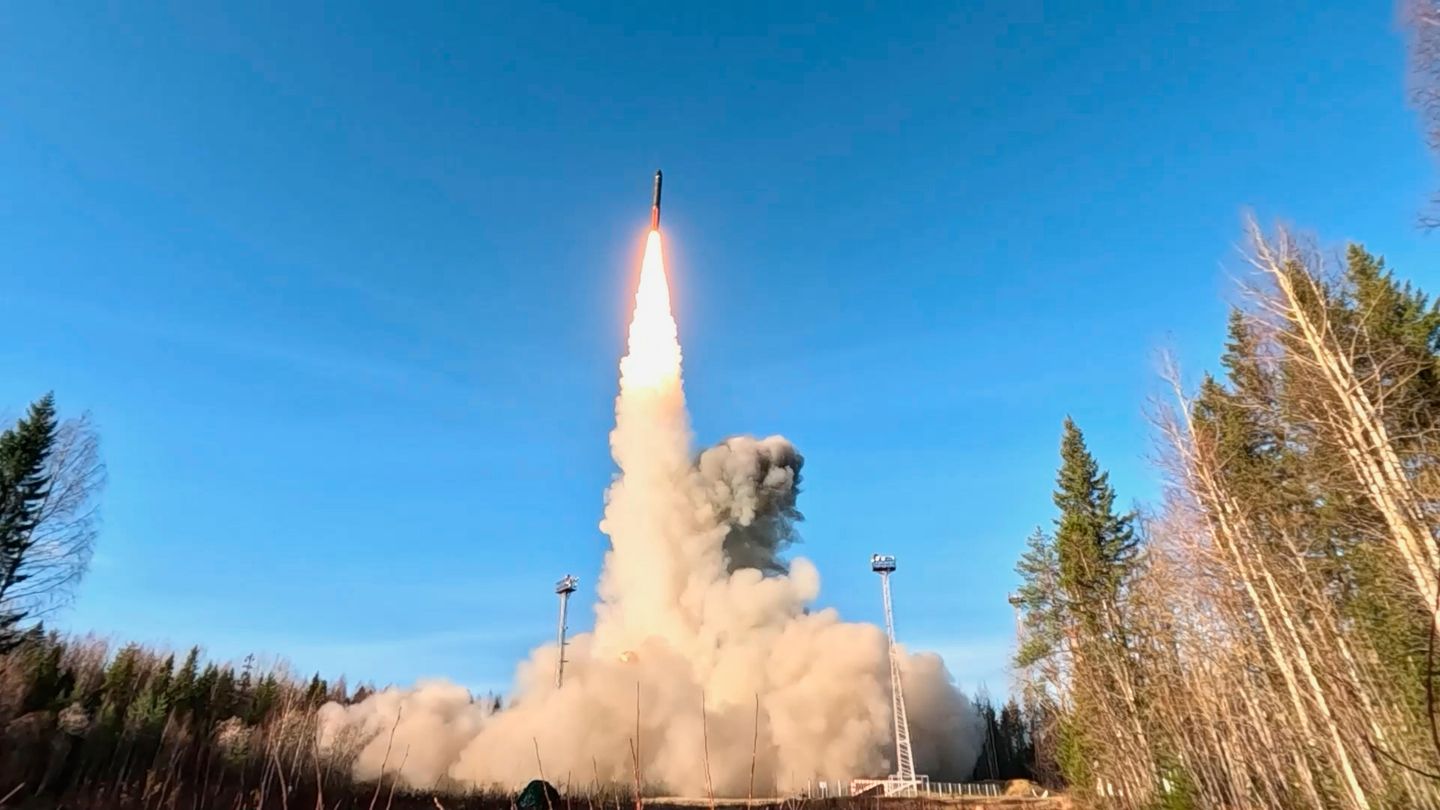
The treaty, which expires on Feb. 5, sets clear limits on the number of deployed nuclear warheads the U.S. and Russia can maintain. The first START treaty was signed in 1991 after the fall of the Soviet Union and was used to govern international nuclear policy between the two superpowers.
The new START treaty was finalized in 2010 and adds further limits to the number of strategic nuclear warheads that each country can deploy.
Russian President Vladimir Putin has stated his country would be willing to uphold the terms of the new START treaty for one year if the U.S. would make a similar commitment. But the U.S. has not initiated discussions and has not formally accepted Mr. Putin’s deal.
Since returning to the White House in 2025, President Trump has made missile defense and development one of his key policy goals. The Golden Dome initiative, which aims to establish a multilayered defense system protecting the U.S. mainland, is designed to deter advanced missile attacks.
However, when asked about the prospect of renewing the terms of the new START agreement, Mr. Trump has said that China should be a part of any new nuclear treaty. China has firmly rejected U.S.-backed curbs on its nuclear arsenal in the past.
China possesses fewer nuclear warheads than the U.S. and Russia. However, experts assess that Beijing is expanding its stockpile of warheads and is rapidly developing advancements in its delivery systems to be on par with its Western rivals by the end of the 2030s.