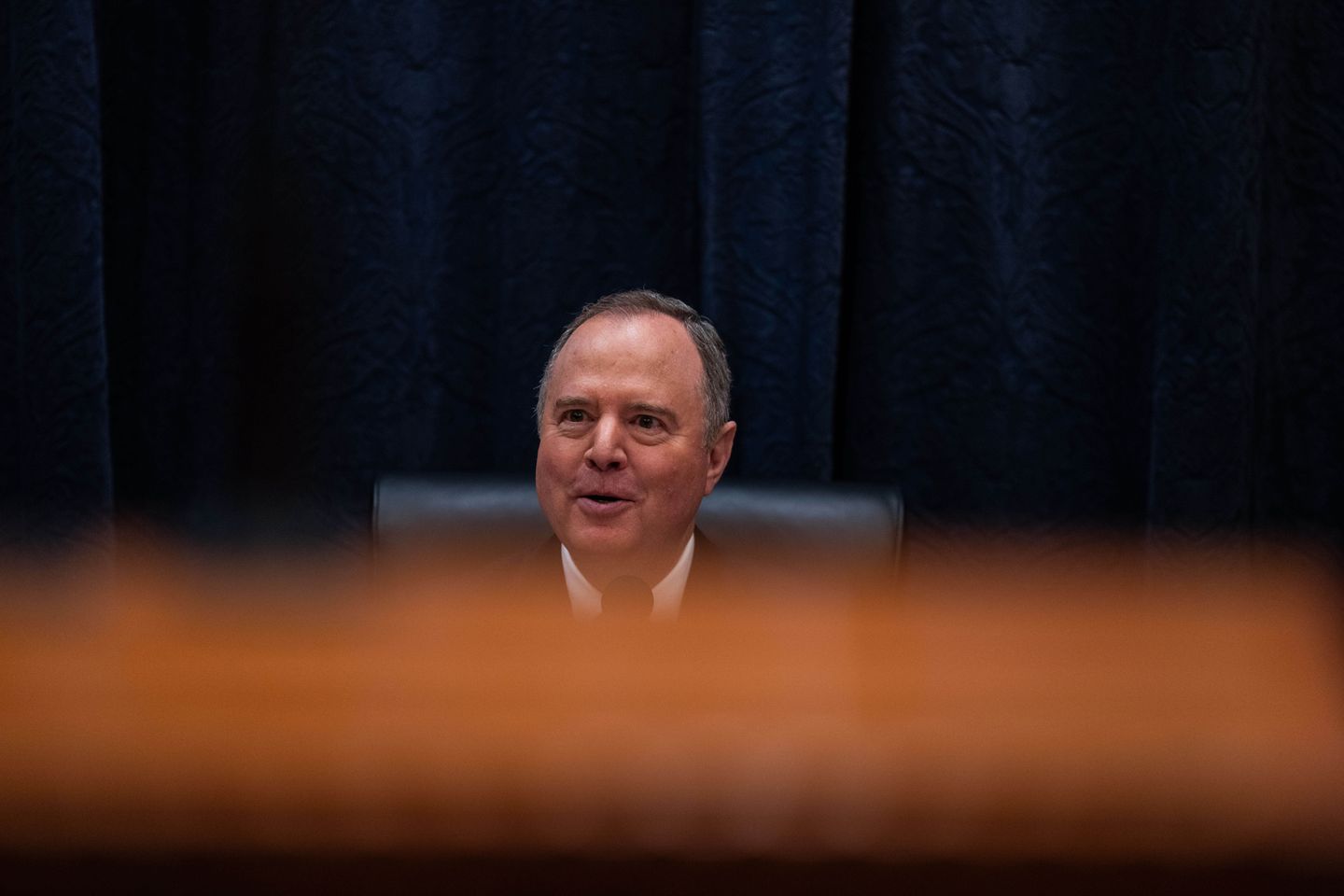
Indian tribes that run casinos were major backers of Sen. Adam B. Schiff’s last campaign — and the California Democrat is now delivering for them, with new legislation to keep them from having to face competition from online betting platforms.
Mr. Schiff’s legislation would prohibit online prediction markets such as Kalshi and Polymarket from issuing prediction contracts on sports events or casino games. He said the national platforms end up being a workaround for people who live in places where gambling isn’t legal.
The ban has also been a longstanding priority of Indian tribes who operate casinos, even in states where it’s otherwise prohibited, and who believe the online markets will sap their monopoly on the customer base.
“It’s time for Congress to step in and eliminate this backdoor which violates state consumer protections, intrudes upon tribal sovereignty, and offers no public revenue,” Mr. Schiff said in announcing the bill, which he’s sponsoring with Sen. John Curtis, Utah Republican.
The fact that those tribes put so much cash into Mr. Schiff’s 2024 Senate campaign, though, rubbed some the wrong way.
“Mister Tribal Casino is introducing legislation to help their bottom line,” said Alex Pfeiffer, a Republican operative and former deputy communications director at the White House.
Mr. Schiff was the largest individual federal beneficiary of campaign donations from the Agua Caliente Band and its affiliates. They run two casinos in Riverside, California, and according to OpenSecrets.org, pumped $250,000 into his Standing Strong political action committee and contributed $10,110 to his campaign.
The Federated Indians of Graton Rancheria, which runs a casino in Sonoma, gave $200,000 to Mr. Schiff’s PAC and $13,200 to his campaign.
And affiliates of the Morongo Band, which operates a casino in Riverside, gave $25,000 to the PAC and $3,425 to his campaign, according to OpenSecrets.
Mr. Schiff’s office didn’t respond to inquiries for this article, but in his statement announcing the legislation, he said the bill was needed to rein in the Trump administration’s stance, carried out by the Commodity Futures Trading Commission.
He complained that the CFTC is withdrawing from the playing field, opening the door to online platforms offering bets on everything from whether the upcoming mission to the moon would explode, or whether certain world leaders would be ousted.
Last month, he sponsored legislation to ban those so-called “death contracts.”
Mr. Curtis, the co-sponsor of the sports and casino bill, said his concern is the online platforms luring younger people into a life of gambling. He said his interest is in preserving state control.
Mr. Schiff’s bill is one of a handful that have been introduced on the issue, but it’s getting outsized attention from opponents and supporters.
That includes the California Nations Indian Gaming Association, which has labeled online trading platforms an existential threat to tribal sovereignty and their casino income.
“By allowing anyone with a mobile phone to place wagers anywhere, these platforms undermine the authority of tribal governments and states, such as California, in regulating gaming within their borders,” said James Silva, CNIGA’s chairman, in a statement.
CNIGA didn’t respond to an inquiry about tribal members’ donations to Mr. Schiff.
Sports betting is currently illegal in California’s tribal casinos, but many of the state’s tribes have been strategizing to change that.
The broader battle over online contract markets has been engaged for several years.
The Biden administration fought a losing battle in court to try to stop Kalshi from taking contracts on politics.
Kalshi is, unsurprisingly, opposed to Mr. Schiff’s bill, saying it would just push sports betting into a more risky avenue.
“Banning sports on regulated prediction markets would just push this behavior offshore, where no regulation exists,” the firm said. “Sports trading on regulated prediction markets offers a fairer choice to consumers, with no house that restricts winners and hooks people the more they lose.”
Kalshi also pointed to the casinos’ attempt to maintain their monopolies.
“It’s clear this bill is motivated by casino interests that are threatened by competition,” the company said.