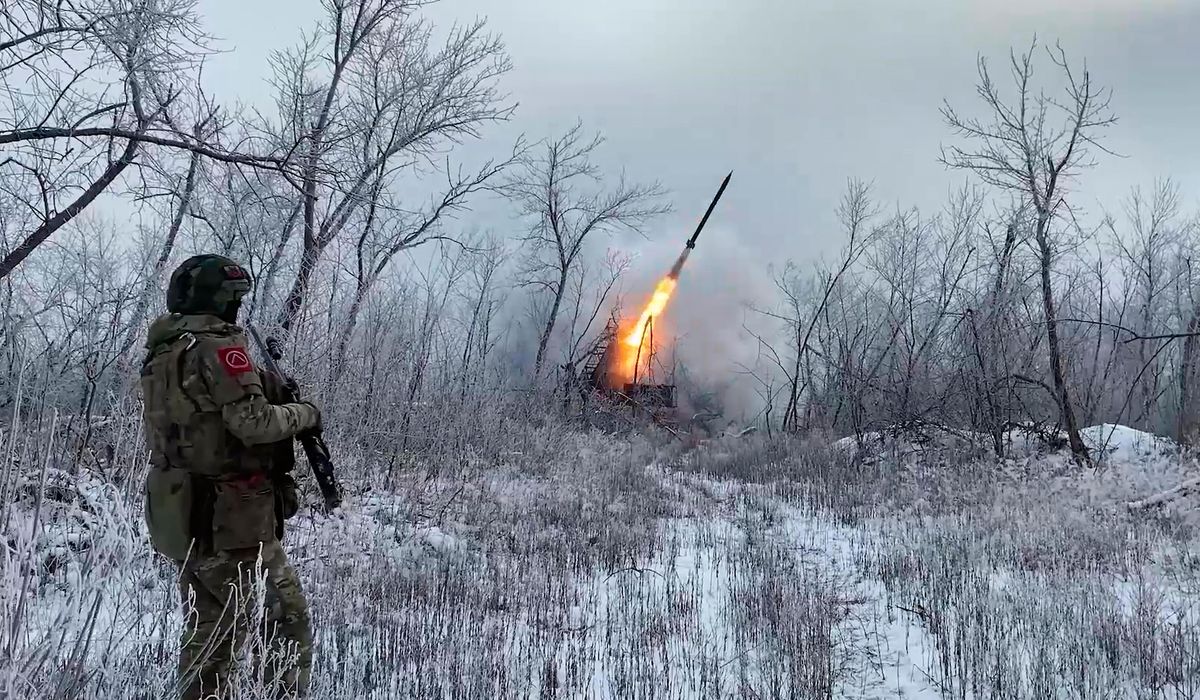
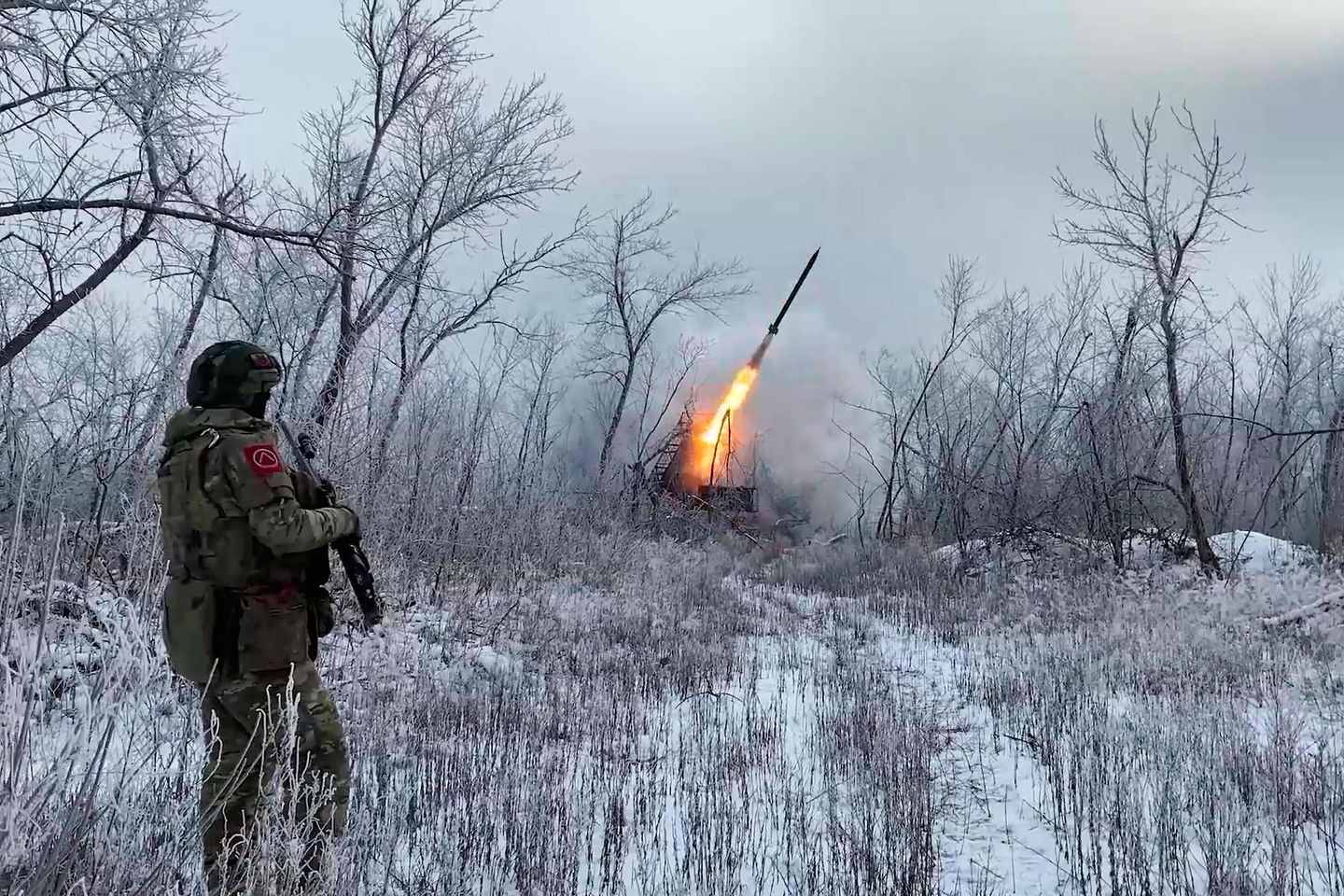
U.S., Russian and Ukrainian diplomats are set to meet this week in Abu Dhabi for a second round of trilateral peace talks, hoping to hammer out a deal that will end Moscow’s four-year war against Kyiv.
The scheduled two days of meetings follow an earlier round of discussions in Abu Dhabi on Jan. 23-24. Officials described those talks as productive but said that core issues remained unresolved.
The talks marked the first direct negotiations between Moscow and Kyiv since the war began in 2022.
This week’s negotiations come after the breakdown of a U.S.-backed energy truce. Signed last Friday, the agreement sought to pause Russian strikes on Ukrainian energy infrastructure until Sunday.
Russia on Tuesday resumed strikes on key energy facilities, notably in Kyiv. Russian President Vladimir Putin criticized the truce this week, saying that Ukraine had used the opportunity to rebuild and stockpile munitions.
Mr. Putin’s complaint is in line with previous statements in which he has argued against long-term ceasefire agreements as a threat to Russia’s security.
The trilateral talks have resulted from several months of diplomatic effort by the Trump administration to get Russia and Ukraine to come to the negotiating table. Both sides have expressed optimism about the negotiations, but Ukrainian and Russian officials have been quick to say there is a long way to go before a comprehensive agreement is reached.
The most contentious issue remains the fate of eastern Ukraine, much of which is currently occupied by Russian troops. Moscow has demanded that Ukraine give up control of the heavily industrialized Donetsk region as a precondition for any peace deal. Russian troops control just over 70% of the province.
Kyiv has rejected calls to give up territory and has suggested that Russia and Ukraine’s borders should be frozen as they currently exist. Ukraine has also been open to the deployment of a European-backed peace-keeping force along a demilitarized zone in the east.