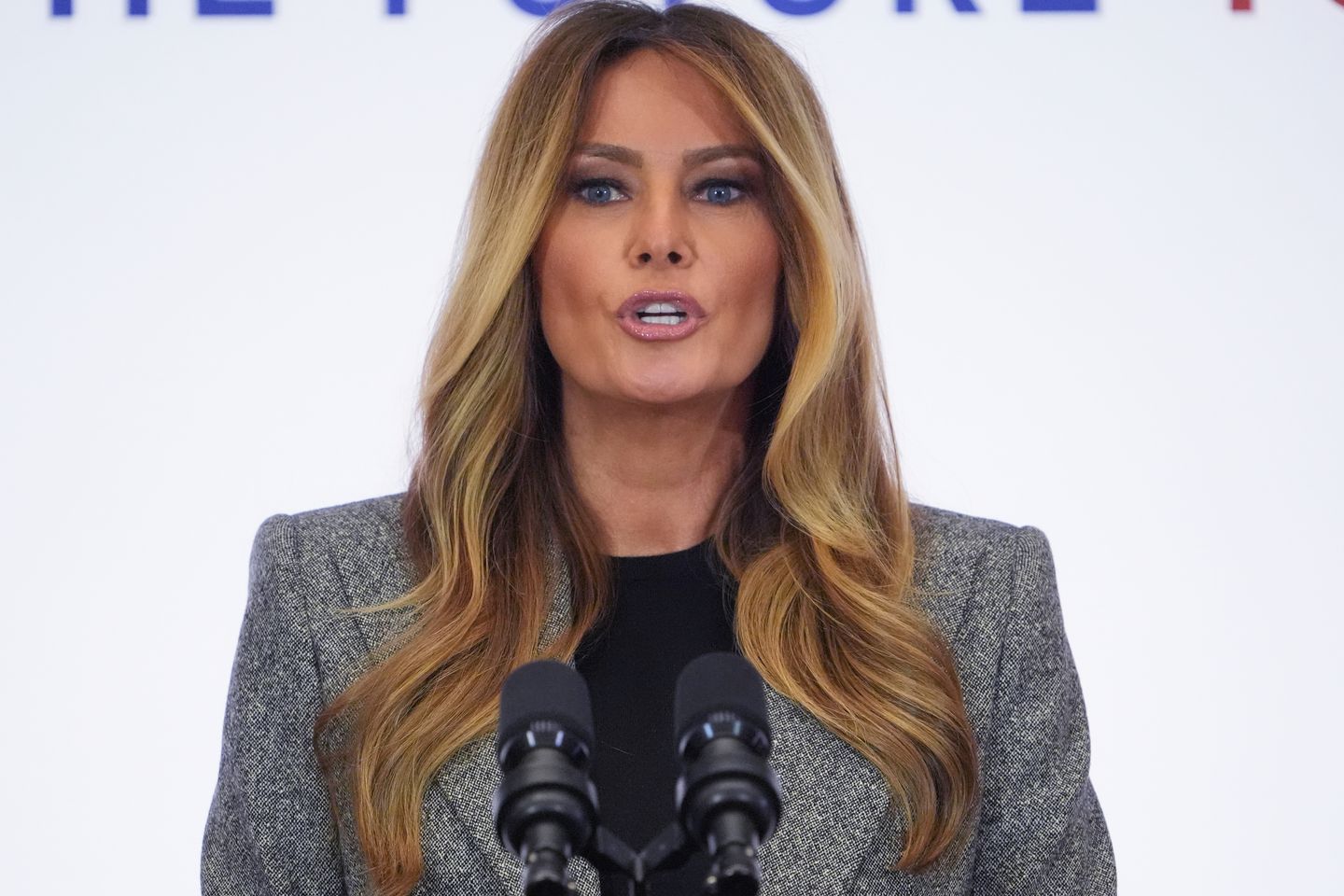
An Ohio man has become the first person in the United States convicted under the Take It Down Act, a federal law championed by first lady Melania Trump that criminalizes the nonconsensual publication of intimate imagery, including AI-generated deepfakes.
James Strahler II, 37, of Columbus, pleaded guilty Tuesday in U.S. District Court to three federal counts: cyberstalking, producing obscene visual representations of child sexual abuse material, and publication of digital forgeries — the Take It Down Act’s term for deepfakes. Sentencing before Chief U.S. District Judge Sarah D. Morrison has not yet been scheduled.
“We believe Strahler is the first person in the United States to be convicted under the Take It Down Act,” said U.S. Attorney Dominick S. Gerace II. “We will not tolerate the abhorrent practice of posting and publicizing AI-generated intimate images of real individuals without consent.”
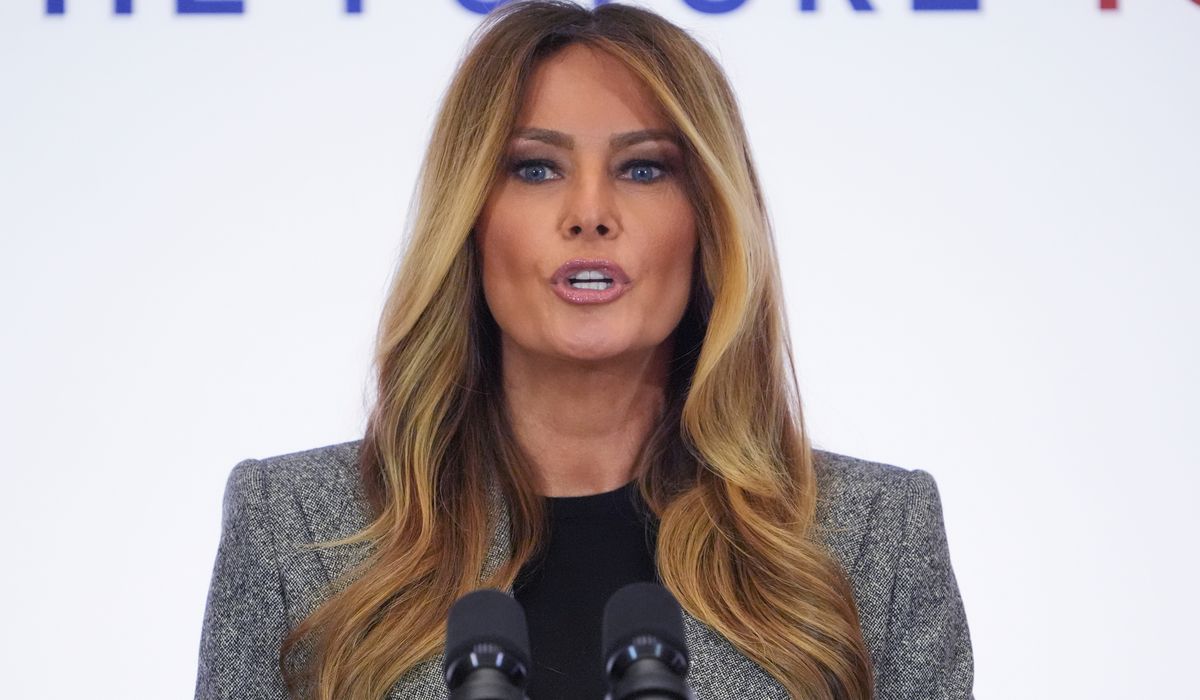
Ms. Trump, who lobbied Congress for the legislation and co-signed the bill alongside President Trump in a Rose Garden ceremony on May 19, 2025, celebrated the milestone on social media.
“Today marks the first conviction under the Take It Down Act — protecting victims from non-consensual AI-generated sexually explicit images, cyberstalking, and threats of violence,” she wrote on X.
In a separate statement, she added: “I am proud to have worked with Congress to provide U.S. Attorney Dominick S. Gerace II with a strong legal mechanism to protect innocent victims from cybercrimes of this nature.”
White House press secretary Karoline Leavitt said Wednesday the conviction “is a huge achievement for the first lady” and that “the president is very proud of his wife’s efforts in getting this critical legislation passed to protect America’s youth.”
According to the Department of Justice, Strahler had installed more than 24 AI platforms and more than 100 web-based AI models on his phone, which he used between December 2024 and June 2025 to generate sexually explicit images and videos of real people without their consent. He targeted at least six adult women, sending them both real and AI-generated nude images, distributing fabricated pornographic videos to their co-workers and threatening their family members. His messages referenced victims’ specific home addresses and included voicemails containing threats of rape.
Strahler also produced child sexual abuse material using the faces of minor boys from his own community, morphing their likenesses onto the bodies of adults and other children. He posted more than 700 such images to a website dedicated to child sexual abuse. Investigators recovered an additional 2,400 images and videos on his phone flagged for nudity, morphed child sexual abuse material, or violence.
The case was initially reported to the Hilliard Police Department and the Delaware County Sheriff’s Office before being referred to the FBI. Mr. Strahler was arrested on federal charges in June 2025.
Signed into law by Mr. Trump in May 2025, the Take It Down Act also requires online platforms to remove reported nonconsensual material within 48 hours. By May 19, covered platforms must have a formal process in place to handle such removal requests. Those convicted under the law face fines and up to two years in prison when adult victims are involved, and up to three years when the victims are minors.
The legislation, introduced by Sen. Ted Cruz, Texas Republican, in June 2024, passed the Senate unanimously and the House 409-2. It was advanced under Ms. Trump’s “Be Best” initiative.
The conviction comes as AI-generated child sexual abuse material has emerged as a growing crisis. The National Center for Missing and Exploited Children reported receiving more than 1.5 million tips connected to generative AI and child sexual exploitation in 2025, though the organization noted that the majority of those reports, more than 1.1 million, were submitted by Amazon AI Services and contained no actionable information.
Separately, the Enhancing Necessary Federal Offenses Regarding Child Exploitation Act, which would subject creators of AI-generated child sexual abuse material to the same penalties as those who produce non-AI material, passed the Senate unanimously in December but has not yet advanced in the House. A tracker maintained by the watchdog group Public Citizen shows at least 45 states have enacted local laws targeting AI deepfakes.
This article was constructed with the assistance of artificial intelligence and published by a member of The Washington Times’ AI News Desk team. The contents of this report are based solely on The Washington Times’ original reporting, wire services, and/or other sources cited within the report. For more information, please read our AI policy or contact Steve Fink, Director of Artificial Intelligence, at sfink@washingtontimes.com
The Washington Times AI Ethics Newsroom Committee can be reached at aispotlight@washingtontimes.com.