NASA is halting plans to create a moon-orbiting space station and instead is seeking to establish a base on the lunar surface.
“NASA is committed to achieving the near‑impossible once again, to return to the Moon before the end of President Trump’s term, build a Moon base, establish an enduring presence, and do the other things needed to ensure American leadership in space,” NASA Administrator Jared Isaacman said Tuesday in a statement.
The space agency said it will repurpose equipment from the planned Lunar Gateway and continue working with its international partners on the orbital station: the Canadian Space Agency, the European Space Agency, the Japanese Aerospace Exploration Agency and the Mohammed Bin Rashid Space Centre in the United Arab Emirates.
The plan to build a moon base will have three phases. First, NASA wants to switch from “bespoke, infrequent missions to a repeatable, modular approach” and aims to place rovers and other items more often to increase the amount, frequency and technical capabilities of U.S. lunar activity.
Second, NASA plans to build semi-habitable infrastructure on the lunar surface and establish regular logistics between Earth and the moon that include “recurring astronaut operations on the surface.”
Third, the space agency will use landers that can carry people and cargo. Once those are operational, NASA will create the infrastructure for permanent human habitation on the moon as part of a lasting U.S. lunar base.
“The moon base will not appear overnight. We will invest approximately $20 billion over the next seven years and build it through dozens of missions,” Mr. Isaacman said, according to CBS News.
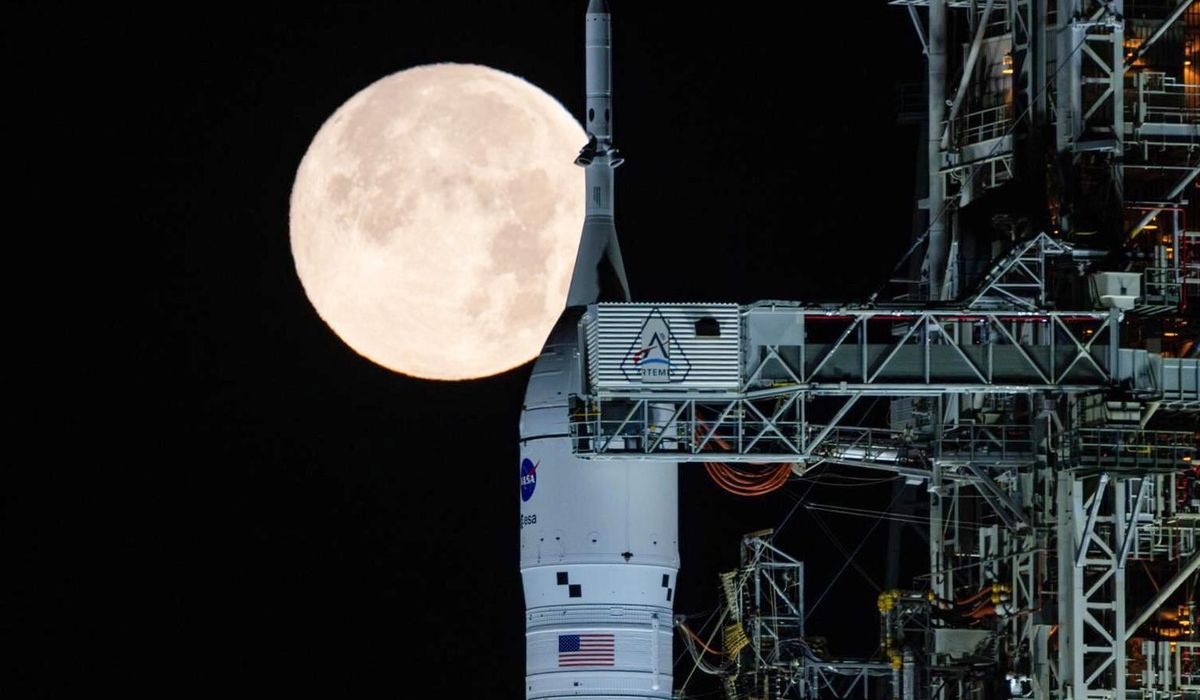
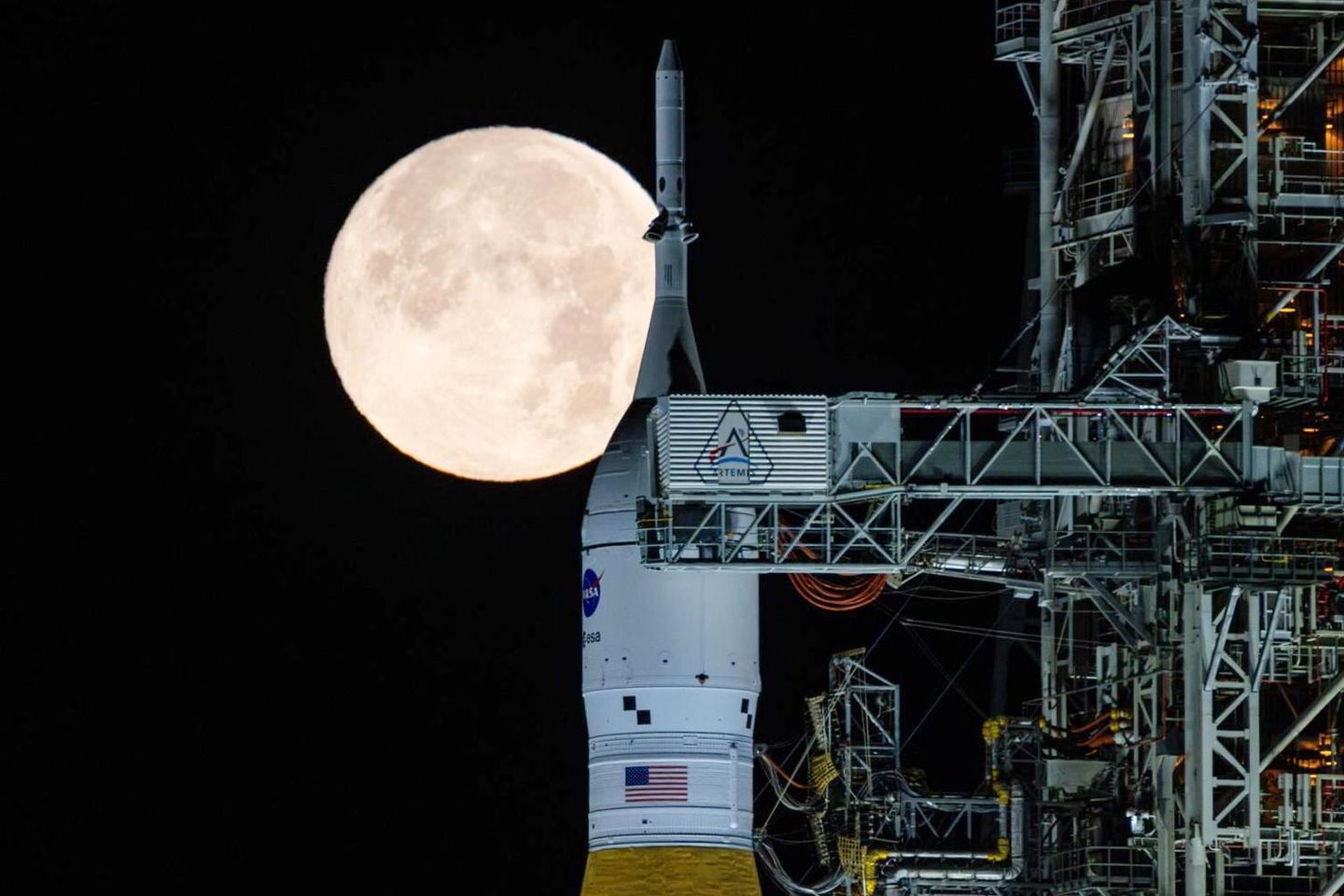
NASA’s next moon-related mission, Artemis II, could launch as early as April 1. The mission’s Orion spacecraft will make a 10-day flyby around the moon before returning to Earth. Onboard will be American astronauts Reid Wiseman, Victor Glover and Christina Koch and Canadian Space Agency astronaut Jeremy Hansen.