NEW YORK — Luigi Mangione’s federal murder trial in the killing of UnitedHealthcare CEO Brian Thompson will begin with jury selection Sept. 8, a judge said Friday.
U.S. District Judge Margaret Garnett said the rest of the trial schedule, including opening statements and testimony, is contingent on whether she allows prosecutors to seek the death penalty. It’s one of several issues the judge is weighing.
If the death penalty is still in play, the next phase of the trial will begin Jan. 11, 2027, Garnett said. That’s more than four months after the start of jury selection. If it’s not, opening statements will be held Oct. 13. Capital cases are more complex and require more time to prepare.
Mangione, 27, has pleaded not guilty to federal and state murder charges, which carry the possibility of life in prison. The state trial has not been scheduled.
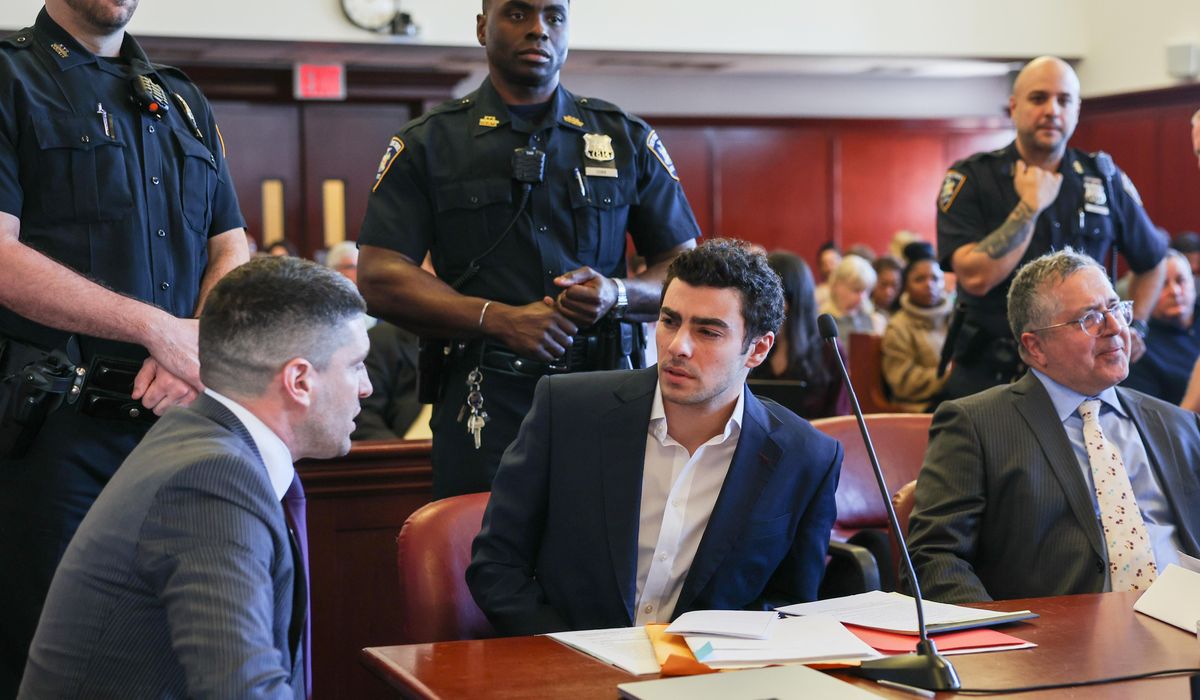
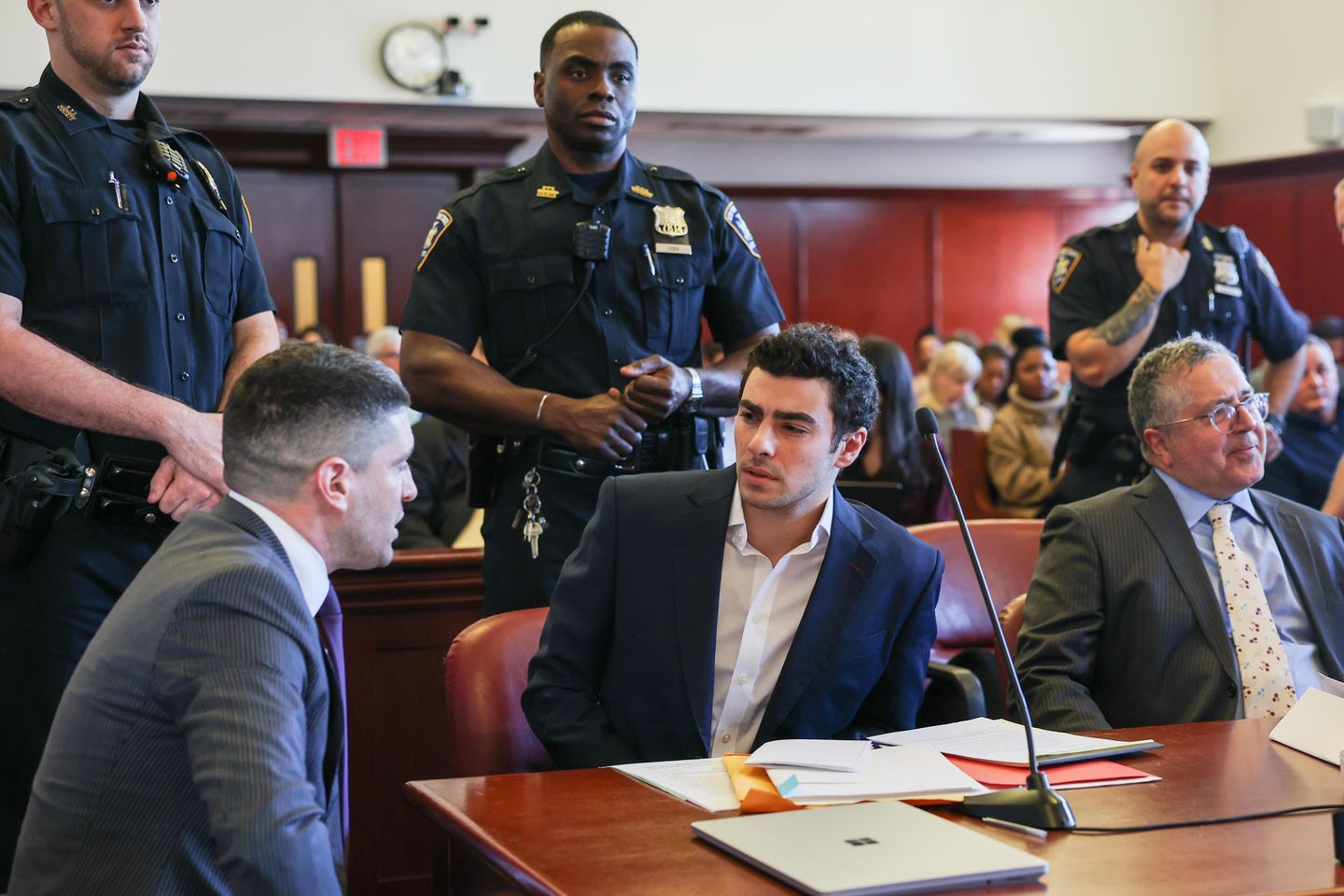
Garnett set the dates as Mangione returned to court for a hearing on procedures governing the police seizure of his backpack after his Dec. 9, 2024, arrest in Altoona, Pennsylvania. The city is about 230 miles (about 370 kilometers) west of Manhattan, where Thompson was killed five days earlier.
Mangione’s lawyers want Garnett to bar prosecutors from using certain items found in the backpack, including a gun police said matched the one used to kill Thompson and a notebook in which Mangione purportedly described his intent to “wack” a health insurance executive.
Separately, Garnett is considering a defense request to bar prosecutors from seeking the death penalty.
Mangione’s lawyers argue that the charges enabling prosecutors to seek capital punishment are technically flawed and that the government prejudiced Mangione by publicly declaring its intent before obtaining an indictment.
Friday’s hearing was limited to the backpack issue, with just one witness: Altoona Police Department Deputy Chief Nathan Snyder. He testified for about 90 minutes, answering questions from a prosecutor, a defense lawyer and even the judge herself.
Garnett called the hearing because she wanted to hear from a police official “about the established or standardized procedures in use” at the time of Mangione’s arrest “for securing, safeguarding, and, if applicable, inventorying the personal property of a person arrested in a public place.”
Prosecutors said Snyder, who was promoted to the post three weeks ago, was not involved in Mangione’s arrest, had no involvement in the Altoona police investigation of Mangione and has not had substantive conversations with officers who participated in the arrest about their actions that day.
Garnett said she found the hearing “very helpful,” but issued no rulings.
Mangione, his feet shackled, wore a tan jail suit and sported a chinstrap beard at Friday’s hearing, a departure from his usual clean-shaven look. He’s scheduled to be in federal court again on Jan. 30 for a status conference.
Echoing their arguments at a recent state court hearing, Mangione’s lawyers contend the Altoona Police Department’s search of his backpack was illegal because police had not yet obtained a warrant. The judge in the state case said he’ll rule on evidence issues in May.
As she began the hearing, Garnett warned: “I’m not going to allow this to turn into some extension of the state hearing by proxy.”
Thompson was killed Dec. 4, 2024, as he walked to a Manhattan hotel for UnitedHealth Group’s annual investor conference. Surveillance video showed a masked gunman shooting him from behind.
Officers began searching the backpack at the McDonald’s restaurant where Mangione was arrested while eating breakfast. Prosecutors say officers searched the bag legally because Altoona police protocols require promptly searching a suspect’s property at the time of arrest for dangerous items and police later obtained a warrant.
A loaded gun magazine was among the items found at the McDonald’s.
Officers continued searching the bag at a police station and found the gun and silencer. They performed what’s known as an inventory search and found the notebook and other notes, including what appeared to be to-do lists and possible getaway plans, according to testimony.
That search, which involves cataloging every piece of a suspect’s seized property, is also required under Altoona police policy, prosecutors said. Laws concerning how police obtain search warrants are complex and often disputed in criminal cases.
As part of her inquiry, Judge Garnett ordered federal prosecutors to provide her with a copy of the affidavit submitted to obtain a federal search warrant in the matter. Mangione lawyer, Marc Agnifilo, questioned Snyder about a police department general order effective Feb. 1, 2016, regarding arrest, search and seizure procedures.
The defense contends that searching the backpack before getting a warrant may have influenced how the affidavit was written, but prosecutors say no specific details about items, such as the notebook writings, were mentioned in the document.