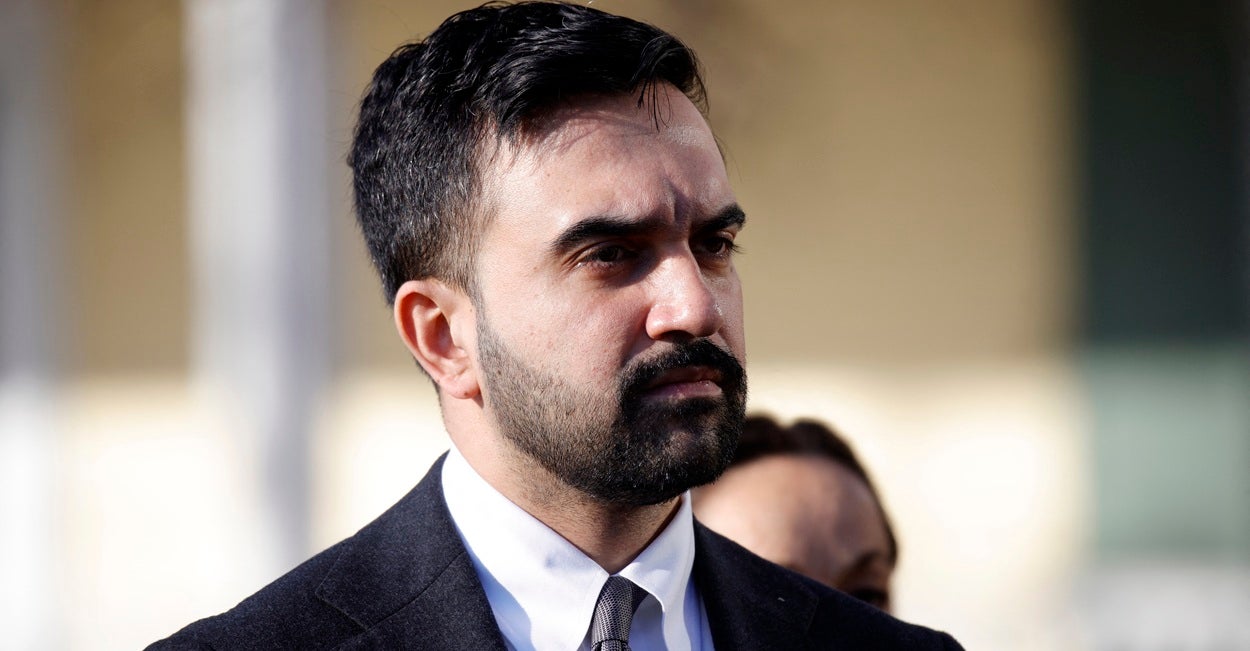
Zohran Mamdani met with the “Dealmaker in Chief” during an unexpected visit to the White House in late February to discuss a massive housing project. While plans to increase housing supply could lower rents if implemented, achieving broad affordability might just be an empty promise if socialist ideology prevails in New York City.
Solving the housing crisis is a bipartisan issue, but the mayor’s campaign promise of rent control is not the silver bullet. And ever since he stacked the Rent Guidelines Board with a likeminded leftist majority that has the power to freeze rent for nearly 1 million units, disastrous rent-stabilized apartments may come to fruition.
Aggressive government intervention does the opposite of making housing more affordable. Instead, market-based solutions such as prudent deregulation, streamlined permitting, and removing barriers to housing construction would drive supply up and stabilize rents.
Take the case of Argentina’s rental market after implementing the 2020 Lipovetzky Law. This law mandated rent controls and housing regulations that extended minimum lease terms, regulated annual rent adjustments, and required rents to be paid in pesos.
From June 2020 to December 2023, long-term rental listings on Zonaprop, one of Argentina’s largest real-estate platforms, fell 53%. The dramatic decrease in the supply of available long-term units caused real rental prices to rise by approximately 50% in the Buenos Aires metro area.
Socialist rent control policies created a housing shortage, upwards of 200,000 vacant units, and through-the-roof prices.
But when Javier Milei was elected in 2023 and repealed the Lipovetzky Law, it took just seven months for rental supply to increase by 212%. Rental listings on Zonaprop rose by 15,300 units, a 180% increase as of February 2025. And not only did rental supply increase, but the real price of renting decreased by nearly 27%.
Eradicating rent control and onerous housing regulations empowered Argentinian landlords to set rents at competitive rates and allowed the “invisible hand” of free-market supply and demand to dictate housing price and quantity. This, in turn, produced rental agreements that were beneficial for both tenants and landlords.
Mr. Mamdani’s plan of imposing a four-year rent freeze on approximately 1 million rent-stabilized apartments would, akin to Lipovetzky Law outcomes, lower housing supply, reduce housing quality, and push uncontrolled unit prices up.
A 2022 survey by the National Association of Home Builders and the National Multifamily Housing Council found that 87.5% of landlords would avoid building in jurisdictions with rent control policies in place.
Reduced or even negative profit margins discourage development in controlled areas, exacerbating housing shortages. So, landlords may convert rentals, sell their properties, or withdraw units from the market to avoid regulations and the low returns that result from price ceilings.
With lower housing supply, rents for New York City residents rise.
Across America, an estimated 40.6% of total development costs can be attributed to regulations and compliance at all levels of government, with the highest average compliance costs being alterations to building codes over the past 10 years.
Approximately 50,000 apartments in New York City are vacant as of December 2025 due to the cost of bringing the rentals up to code. It’s not that landlords don’t want to get housing back on the market; rather, it’s the lack of future revenue due to rent stabilization policies which prevents these landlords from profiting or, in some cases, breaking even.
Simply owning a rent-controlled property is an unprofitable venture. A Columbia Business School study found that a 100% rent-stabilized building in the Bronx under a four-year rent freeze, assuming 2% rent growth and a 5% expense increase, would lead to negative cashflows for the property within 16 years.
And with no way to profit, landlords often cut back on upkeep and maintenance, leading to deteriorating buildings and a decline in housing quality. This creates a doom-loop in which high demand for cheap rent-controlled apartments drives up the price of unregulated dwellings, but low-profit incentives for landlords leads to vacancies, quality deterioration, and a shortage of “affordable” units.
Rather than pursue socialist rent control policies (which have failed time and time again), Mayor Mamdani should use Javier Milei’s market-based approach to Argentina’s housing market as a guideline for New York City.
Affordable, quality housing does not result from arbitrary rent freezes or state intervention. Rather, supply-side market solutions that remove inefficient government meddling and lower construction costs would incentivize developers to build, landlords to profit and refurbish dwellings, and rents to be realistically priced for all New Yorkers.