DALLAS — More than 9,000 flights across the U.S. set to take off over the weekend have been canceled as a major storm expected to wreak havoc across much of the country threatens to knock out power for days and snarl major roadways.
Roughly 140 million people were under a winter storm warning from New Mexico to New England. The National Weather Service forecast warns of widespread heavy snow and a band of catastrophic ice stretching from east Texas to North Carolina.
Forecasters say damage, especially in areas pounded by ice, could rival that of a hurricane.
Ice and sleet that hit northern Texas overnight were moving toward the central part of the state on Saturday, the National Weather Service in Fort Worth said.
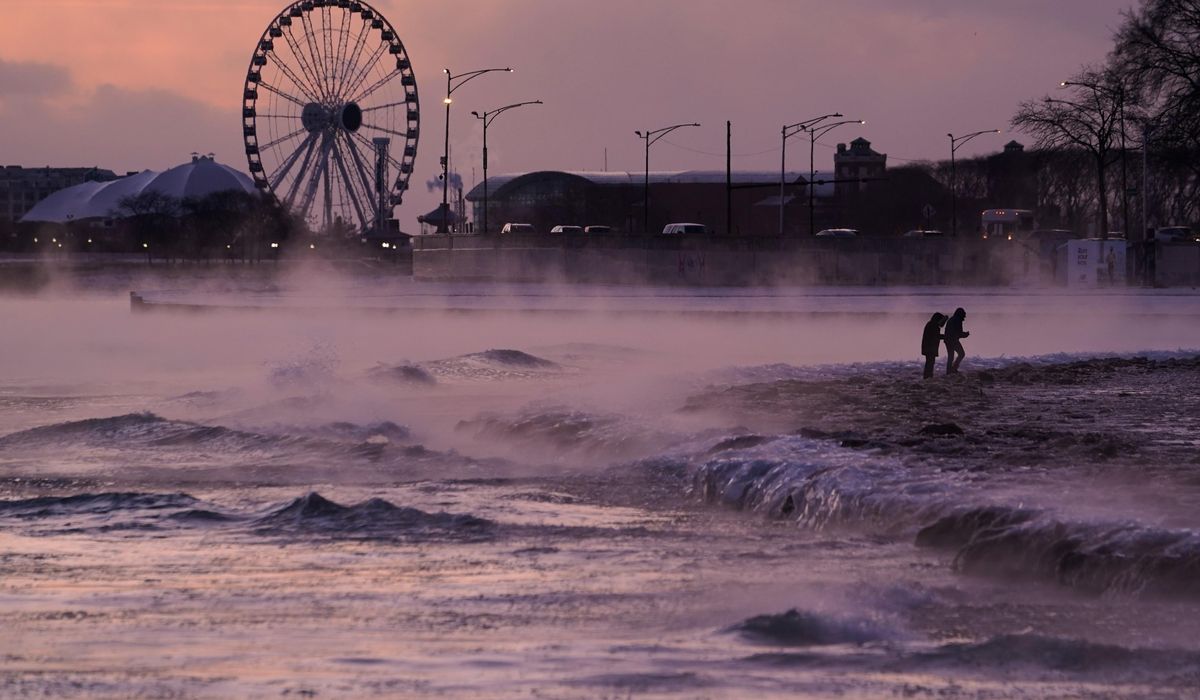
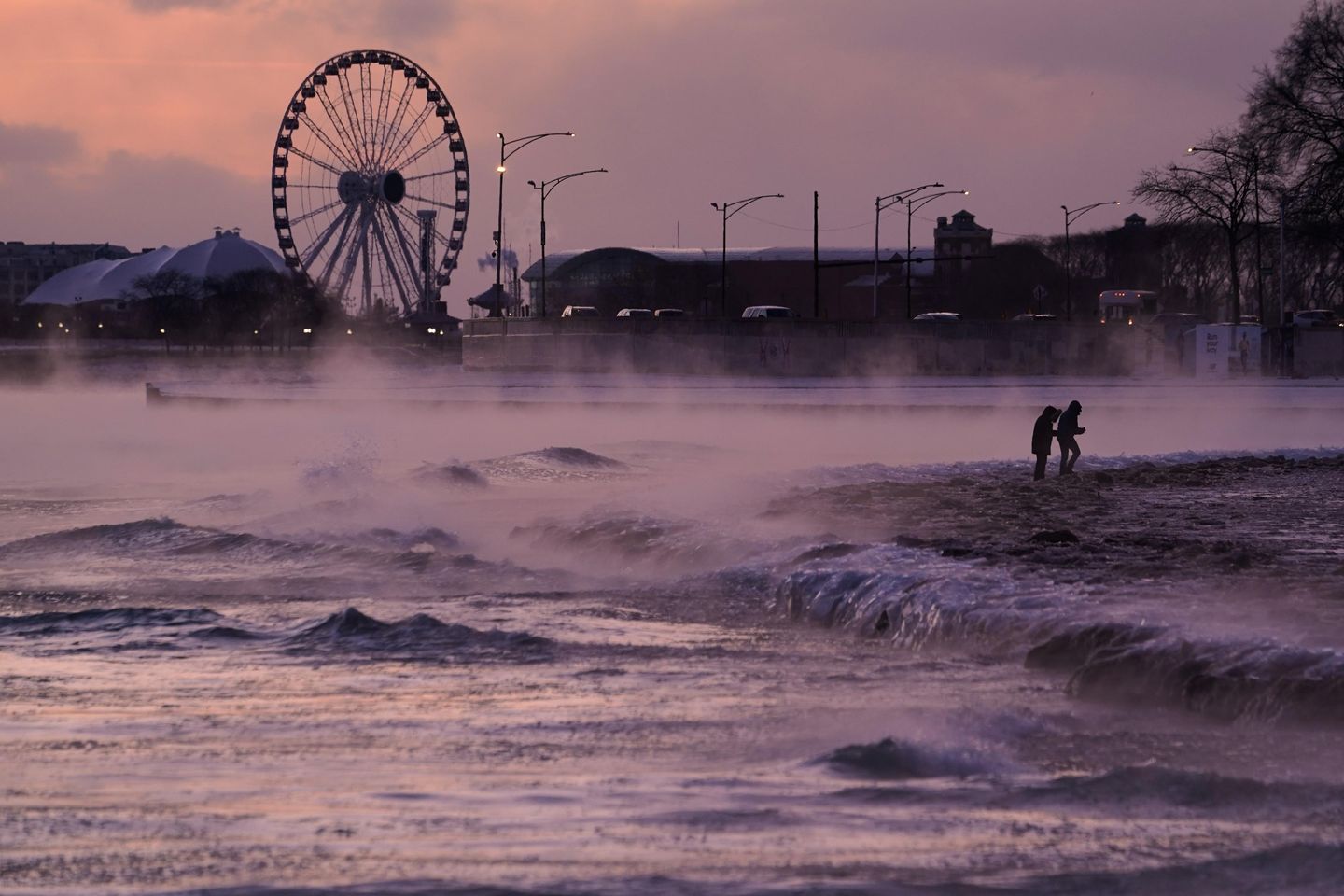
“Dangerously cold temperatures and wind chills are spreading into the area and will remain in place into Monday,” the agency said on X. Low temperatures will be mostly in the single digits for the next few nights, with wind chills as low as minus 12 degrees.
About 68,000 power outages were reported across the country at 8 a.m. ET, about 27,600 of them in Texas. Snow and sleet continued to fall in Oklahoma.
PHOTOS: More than 9,000 flights canceled as major winter storm bears down across much of the US
After sweeping through the South, the storm was expected to move into the Northeast, dumping about a foot of snow from Washington through New York and Boston, the weather service predicted. Temperatures reached minus 29 F just before dawn in rural Lewis County and other parts of upstate New York after days of heavy snow.
Governors in more than a dozen states sounded the alarm about the turbulent weather ahead, declaring emergencies or urging people to stay home.
Texas Gov. Greg Abbott told residents on the social media platform X that the state Department of Transportation was pretreating the roads and told residents, “Stay home if possible.”
More than 3,300 flights were delayed or canceled Saturday, according to the flight tracking website FlightAware. Nearly 6,000 were called off for Sunday.
Angela Exstrom was supposed to fly back to Omaha, Nebraska, from a trip in Mexico, but she learned her Saturday flight out of Houston had been canceled. So instead, she is going back via Los Angeles.
“If you live in the Midwest and travel in the winter, stuff can happen,” she said.
Utility companies braced for power outages because ice-coated trees and power lines can keep falling long after a storm has passed.
The Midwest saw wind chills as low as minus 40 degrees Fahrenheit (minus 40 Celsius), meaning that frostbite could set in within 10 minutes.
In Bismarck, North Dakota, where the wind chill was minus 41, Colin Cross was bundled up Friday in long johns, two long-sleeve shirts, a jacket, hat, hood, gloves and boots as he cleaned out an empty unit for the apartment complex where he works.
“I’ve been here awhile and my brain stopped working,” Cross said.
The storm has been a popular topic of discussion for days at Saint Paul Mini Market in Baltimore.
“Every single person that walks in talks about the storm,” said owner Ayaz Ahmed.
“Somehow, this time around, they did a good job letting people know that here’s a storm coming their way, and everybody knows about the storm, but how to deal with that is another thing,” Ahmed said.
The federal government put nearly 30 search and rescue teams on standby. Officials had more than 7 million meals, 600,000 blankets and 300 generators placed throughout the area the storm was expected to cross, according to the Federal Emergency Management Agency.
President Donald Trump said via social media on Friday that his administration was coordinating with state and local officials and “FEMA is fully prepared to respond.”
After the storm passes, it will take a while to thaw out. Ice can add hundreds of pounds to power lines and branches and make them more susceptible to snapping, especially if it’s windy.
In at least 11 Southern states from Texas to Virginia, a majority of homes are heated by electricity, according to the U.S. Census Bureau.
A severe cold snap five years ago took down much of the power grid in Texas, leaving millions without power for days and resulting in hundreds of deaths. Abbott vowed that will not happen again, and utility companies were bringing in thousands of employees to help keep the lights on.
Churches moved Sunday services online, and the Grand Ole Opry in Nashville, Tennessee, decided to hold its Saturday night radio performance without fans. Carnival parades in Louisiana were canceled or rescheduled.
Philadelphia announced schools would be closed Monday. Superintendent Tony B. Watlington Sr. told students, “It’s also appropriate to have one or two very safe snowball fights.”
Some universities in the South canceled classes for Monday, including the University of North Carolina at Chapel Hill and the University of Mississippi’s main campus in Oxford.
At the University of Georgia, in Athens, sophomore Eden England stayed on campus to ride things out with friends, even as the school encouraged students to leave dorms and go home because of concerns about losing power.
“I’d rather be with my friends,” England said, “kind of struggling together if anything happens.”